
For many small business owners, freelancers, and privacy-conscious individuals, the traditional physical mailbox attached to a residential home or a corporate office is no longer sufficient. In an era where digital commerce dominates, the need for a secure, professional, and private mailing address has never been higher. A Post Office Box—commonly known as a PO Box—remains one of the most reliable tools in the arsenal of modern business operations. Understanding what a PO Box is, how it functions, and how it can serve your professional needs is a fundamental step in structuring a secure and scalable business identity.

Understanding the Mechanics of a PO Box
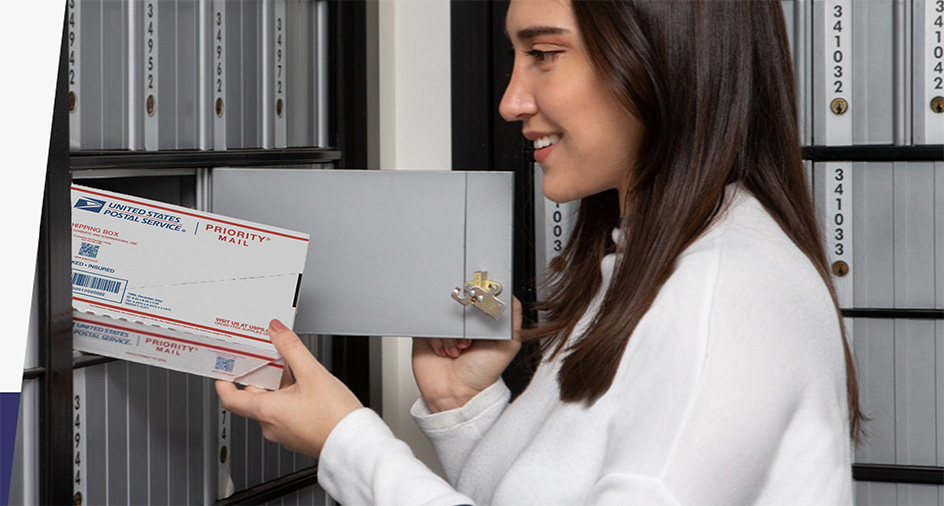
At its simplest level, a PO Box is a uniquely addressable lockable box located within a post office facility. When you rent a PO Box, you are essentially purchasing a secure storage space for your incoming mail. Unlike a standard street address, which is tied to the physical location of a home or a building, a PO Box is tied to the post office itself.
The Logistics of Mail Delivery
When mail is addressed to your PO Box, it is sorted by postal workers directly into your designated compartment. Because these boxes are located inside secure government facilities, they offer a higher level of security than residential mailboxes, which are susceptible to theft, weather damage, or vandalism. Once your mail arrives, it stays in the box until you retrieve it during the post office’s operating hours.
For many busy professionals, this solves the “last mile” problem of mail security. You no longer need to worry about packages being left on a front porch or sensitive documents being exposed to passersby. Furthermore, because these facilities are monitored and restricted, the risk of mail tampering is significantly lower than that of an unlocked residential mailbox.
Choosing the Right Size
PO Boxes come in a variety of sizes, ranging from small drawers for standard envelopes to large lockers for bulk mail and parcel delivery. Selecting the right size depends entirely on the volume and frequency of the mail you expect to receive. If your business involves receiving physical samples, product returns, or high-volume correspondence, opting for a larger size is a strategic investment in organization. Many modern post offices also offer “package notification” services, where you receive an automated email or text message as soon as a parcel has been deposited into your box, further streamlining your business logistics.
The Business Advantages of a PO Box
From a brand strategy and business finance perspective, the decision to use a PO Box is rarely just about storage; it is about infrastructure and image. By separating your personal life from your business dealings, you create a layer of professional insulation that is essential for long-term growth.
Privacy and Personal Security
The most significant benefit of a PO Box is the preservation of anonymity. When you operate a business—especially an online store, a consulting firm, or a blog—publishing your home address on your website or in your legal filings can pose a security risk. A PO Box acts as a shield. It keeps your physical residence private while ensuring that you still have a legitimate address where clients, vendors, and regulatory bodies can reach you.
In the world of personal branding, the boundary between “the person” and “the business” is increasingly porous. Using a PO Box helps establish a clear demarcation line, preventing customers from arriving at your home unannounced or identifying your living location through publicly available business registration records.
Establishing a Professional Presence
While a PO Box is not a physical storefront, it conveys a sense of permanency. When a potential partner or client sees a P.O. Box address on a business card or invoice, it suggests that the entity is established enough to maintain a dedicated mailing location. It creates a professional barrier that says, “I am a business entity, not just an individual operating out of a garage.”
This is particularly important for home-based entrepreneurs. If you are running a side hustle or an e-commerce brand, using your residential address can make your business appear amateurish. A PO Box elevates your brand’s perception, signaling that you treat your business correspondence with the seriousness it deserves.
Strategic Considerations for Business Finance and Compliance
Integrating a PO Box into your operations requires an understanding of how it interacts with legal, tax, and banking regulations. While it is a versatile tool, it is not a “catch-all” solution for every address-related requirement.
Legal and Banking Limitations
It is critical to note that while a PO Box is a valid mailing address, it is frequently not accepted as a “physical residential address” by banks, tax authorities (such as the IRS), or for business entity registration (such as forming an LLC). Many jurisdictions require a physical street address—often referred to as a “Registered Agent address”—to ensure the government has a way to serve legal papers to the business owner if necessary.
Therefore, the most effective strategy for many business owners is to maintain a PO Box for daily mail and public-facing correspondence, while utilizing a separate service (such as a registered agent or a virtual office) to satisfy legal requirements. Relying solely on a PO Box for business licensing can lead to delays or administrative rejection in certain regions.
Cost-Benefit Analysis
From a business finance standpoint, the cost of a PO Box is a deductible business expense in many jurisdictions. Because it is a recurring overhead, you should weigh the cost against the utility. If your business handles high-value contracts or sensitive financial documents, the cost of a premium, large-capacity PO Box is nominal compared to the value of secured mail delivery.
Additionally, if your business requires you to travel frequently, a PO Box provides a centralized “home base” for your mail. You can assign a trusted individual to check your box while you are away, ensuring that time-sensitive invoices or payments do not go missing or sit neglected. This continuity is essential for maintaining a positive cash flow and ensuring that your financial obligations are met in a timely manner.

Future-Proofing Your Address
As your business scales, your needs may change. While a PO Box is excellent for small-scale operations, some businesses eventually transition to “Virtual Mailbox” services. These services often provide a “commercial street address” that looks like a standard office suite address rather than a traditional PO Box. These services also digitize your mail, sending you high-resolution scans of your letters so you can read them from anywhere in the world.
Deciding between a traditional post-office-run PO Box and a private mailbox service depends on whether you prioritize government-backed security (PO Box) or the flexible, digital-first convenience of a virtual office. For those starting out, a standard PO Box at a local post office remains the gold standard for reliability, cost-effectiveness, and ease of use. It is a foundational step in creating a professional, secure, and organized business infrastructure that protects your private life while facilitating your professional ambitions.
aViewFromTheCave is a participant in the Amazon Services LLC Associates Program, an affiliate advertising program designed to provide a means for sites to earn advertising fees by advertising and linking to Amazon.com. Amazon, the Amazon logo, AmazonSupply, and the AmazonSupply logo are trademarks of Amazon.com, Inc. or its affiliates. As an Amazon Associate we earn affiliate commissions from qualifying purchases.