
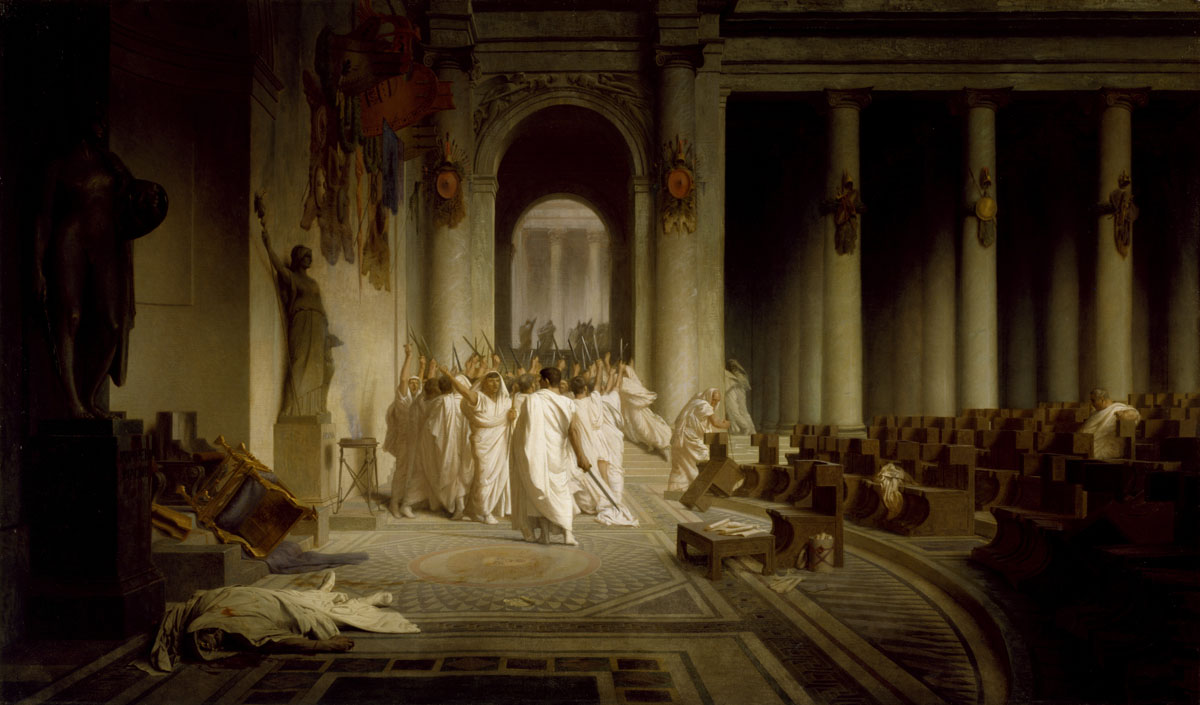
Julius Caesar’s assassination on the Ides of March in 44 BC remains one of history’s most profound case studies in the fragility of personal branding and the lethal consequences of failing to manage one’s perception within an established corporate—or in this case, senatorial—culture. While historians focus on the date, modern branding experts view Caesar’s downfall as the ultimate example of a “Founder’s Syndrome” that alienated stakeholders and ultimately led to a hostile takeover of the Roman Republic.
The Architecture of a Personal Brand: Caesar’s Rise to Dominance
Julius Caesar was, in essence, the ultimate influencer of the Roman world. He understood the power of public relations, military marketing, and the cultivation of a loyal following long before the term “personal branding” existed. His ability to narrate his own conquests, most notably in his Commentarii de Bello Gallico, serves as a masterclass in content marketing. He positioned himself not merely as a general, but as an indispensable leader whose personal identity was synonymous with the success of the state.

The Value of Narrative Consistency
Caesar’s brand strategy relied on extreme consistency. He marketed himself to the Roman plebeians as the champion of the people, effectively building a “community” that provided him with social proof and leverage. By bypassing traditional aristocratic channels and appealing directly to his target demographic—the veterans and the urban poor—he established a brand equity that his rivals in the Senate could not compete with.
The Pitfall of Over-Extending the Brand
However, a successful brand often reaches a tipping point where the founder’s vision becomes too disruptive for the existing corporate structure. Caesar’s transition from a popular advocate to a Dictator Perpetuo (Dictator for Life) was the equivalent of a CEO forcing a restructuring that eliminated the board of directors. By removing the checks and balances of the Roman Republic, Caesar moved from being a charismatic leader to a perceived autocrat. His brand lost its relatability, and his stakeholders—the Senatorial class—viewed him as a liability to the “corporate” health of Rome.
Stakeholder Misalignment: The Internal Hostile Takeover
The year 44 BC marked the moment when the gap between Caesar’s internal brand image and his external perception reached an unbridgeable chasm. From a strategic perspective, his assassination was a violent pivot by the “board” to regain control of the organization.
The Failure of Change Management
When a leader implements radical organizational changes without buy-in from key stakeholders, they invite friction. Caesar’s failure to include the Senatorial elite in his vision for Rome created an echo chamber. He stopped listening to the concerns of his peers, assuming his personal popularity with the public was enough to insulate him from the risks within his inner circle. In corporate terms, he had become a leader who ignored the grievances of his shareholders, believing that his authority was absolute and immune to revolt.
Perception vs. Reality: The Optic of the Crown
Caesar’s decision to accept honors that were traditionally reserved for gods or kings—such as his statue placed among those of the kings of Rome—was a branding catastrophe. Even if he did not seek the title of “King” in name, his visual identity suggested it. In the eyes of the Senate, the “optics” were clear: he was dismantling the institution. When the brand of the leader begins to threaten the brand of the organization, the organization will almost always strike back to protect its legacy.

Rebuilding the Brand: The Legacy of the Triumvirate
Following the chaos of 44 BC, the Roman Republic faced an identity crisis. The assassination did not restore the Republic; it acted as a catalyst for a total rebranding. The power vacuum left by Caesar forced his successors, Octavian and Mark Antony, to reassess how power should be marketed to a disillusioned public.
The Pivot to Institutional Branding
Octavian, who would later become Augustus, learned the most vital lesson from Caesar’s demise: the importance of subtlety in authority. Augustus rebranded the autocratic reality of his rule as the Res Publica Restituta—a restoration of the Republic. He proved that to maintain long-term power, the leader must subordinate their personal brand to the image of the institution. He didn’t claim to be a king; he claimed to be princeps (the first citizen). By aligning his personal brand with the stability and tradition of Rome rather than his own ego, Augustus succeeded where Caesar failed.
Crisis Communications and Reputation Recovery
The immediate aftermath of the Ides of March saw a masterclass in reactive marketing. The conspirators, led by Brutus and Cassius, attempted to frame the assassination as a “liberation.” They issued coins and utilized public rhetoric to paint themselves as the heroes of the state. However, they lacked the reach and the emotional connection that Caesar had built with the masses. Mark Antony, leveraging the emotional weight of Caesar’s funeral and his famous speech, effectively managed the narrative to turn the public against the conspirators. This period demonstrates that in times of crisis, the party that manages the emotional narrative is the one that ultimately defines the history of the event.
Lessons for Modern Strategy: Why Brand Perception Matters
If we look at the year 44 BC through the lens of modern leadership, the takeaway is clear: no amount of market dominance can save a leader who has lost the trust of their peers. Caesar’s assassination serves as a warning against the dangers of hubris in leadership.
Managing the Founder’s Ego
Modern CEOs and entrepreneurs often find themselves in a position similar to Caesar’s. They are the faces of their companies, they have achieved immense success, and they feel they are the only ones capable of steering the ship. When this belief crosses the line into arrogance, the foundation of the brand begins to crack. Caesar’s inability to distinguish between the love of the people and the respect of the Senate led to his inability to see the threat directly behind him.
The Necessity of Collaborative Governance
A sustainable organization relies on a distributed culture. Caesar’s tragedy was a failure of collaborative governance. He operated as a singular entity rather than a steward of a republic. Today’s business world operates on similar principles; even the most powerful leaders must operate within a framework of accountability. When a brand becomes too focused on the personality of the individual rather than the value of the service or the health of the organization, it becomes vulnerable to the same forces that conspired against Caesar.
Conclusion: The Endurance of the Roman Case Study
The murder of Julius Caesar in 44 BC was more than just a historical event; it was the final act of a failed strategic campaign. By isolating himself from his peers and prioritizing personal optics over organizational stability, Caesar created an environment where his assassination seemed, to his opponents, like a necessary business decision.
As we analyze the rise and fall of modern entities, the parallels are stark. Whether in technology, finance, or corporate strategy, the core principles remain the same: branding is not just about the external message; it is about the internal alignment. Caesar won the battle for the public’s heart but lost the war for the organization’s soul. In any field, the ultimate goal is to build something that lasts longer than your own tenure—a lesson written in the blood of the Ides of March and reflected in the history of every failed organization since. Success is fleeting, but the reputation of the institutions we build, and the manner in which we govern them, defines the true legacy of a leader.
aViewFromTheCave is a participant in the Amazon Services LLC Associates Program, an affiliate advertising program designed to provide a means for sites to earn advertising fees by advertising and linking to Amazon.com. Amazon, the Amazon logo, AmazonSupply, and the AmazonSupply logo are trademarks of Amazon.com, Inc. or its affiliates. As an Amazon Associate we earn affiliate commissions from qualifying purchases.