
Super glue, chemically known as cyanoacrylate, is a marvel of modern industrial engineering. Designed to create near-instantaneous bonds between diverse materials, its ability to polymerize upon contact with moisture makes it an indispensable tool in workshops, craft rooms, and home repair kits. However, this same chemical efficiency can turn a simple household fix into a frustrating experience when the adhesive accidentally makes contact with human skin.
From a technical perspective, understanding the removal of cyanoacrylate requires a grasp of its polymerization process and how specific solvents interact with the cured polymer matrix. When super glue cures, it forms a long-chain molecule that is highly resistant to water and many conventional household cleaning agents. Removing it safely requires a methodical approach that prioritizes the integrity of the dermal layer while effectively breaking down the chemical bonds of the adhesive.
The Chemistry of Cyanoacrylate and Dermal Interaction
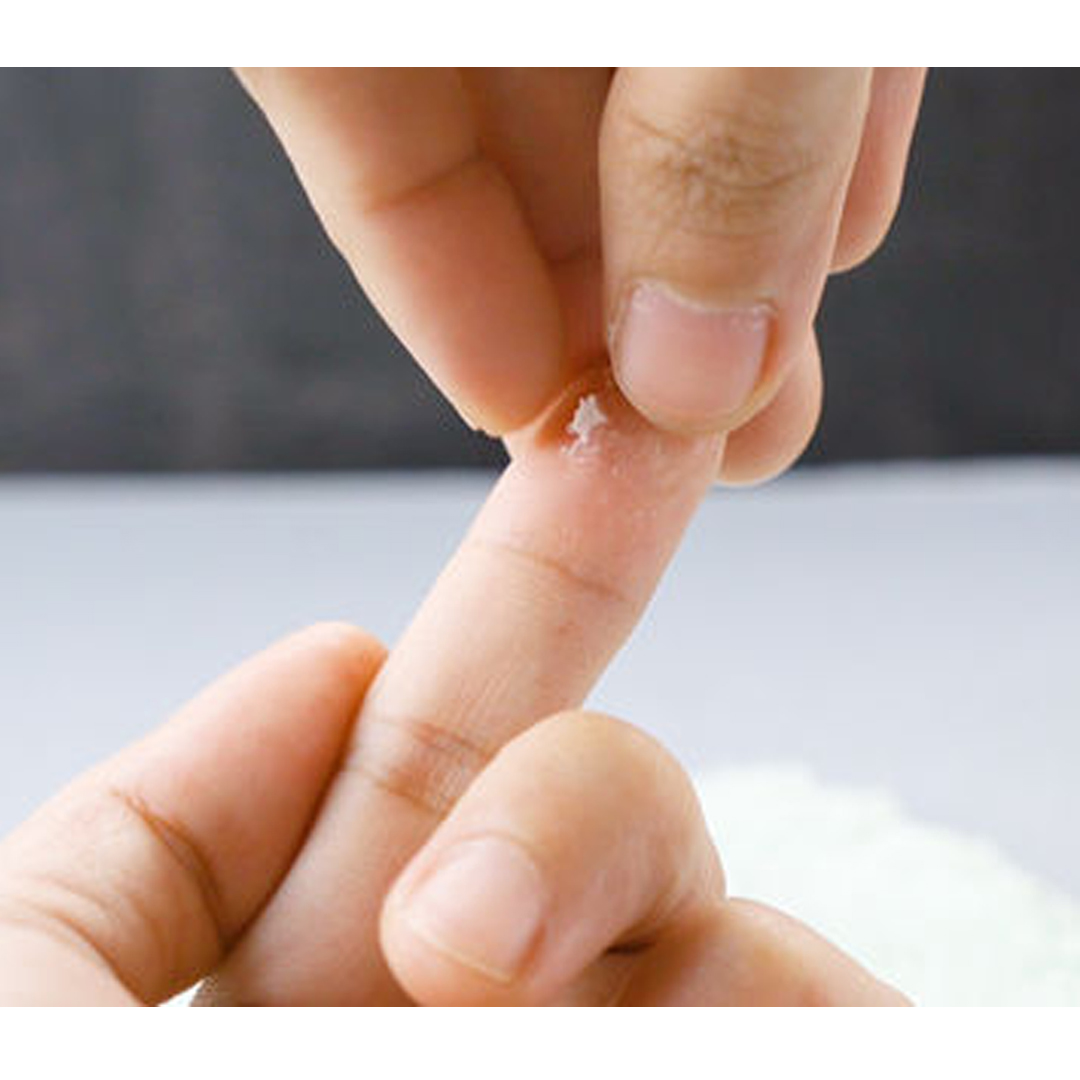
To understand why super glue adheres so stubbornly to skin, one must look at the mechanism of anionic polymerization. Cyanoacrylate molecules exist in a liquid monomer state until they encounter hydroxyl ions, which are present in trace amounts in almost every surface, including skin. Once these ions touch the monomer, the molecules rapidly link together to form a solid plastic polymer.
Why Mechanical Removal Is Dangerous
The primary instinct for most people when discovering super glue on their skin is to peel, scrape, or pull the hardened layer off. This is a significant tactical error. Because the glue creates a bond stronger than the cohesion of the outermost layer of skin cells, physical force often results in epidermal tearing, raw patches, or micro-abrasions. These injuries not only cause pain but also leave the affected area susceptible to secondary infections.
The Role of Solvent-Based Remediation
The removal process must be chemical rather than mechanical. The goal is to introduce a substance that can plasticize or dissolve the cured polymer without causing systemic toxicity or chemical burns to the user. While hardware stores sell specialized de-bonders, these are often high-potency solvents that can be harsh on sensitive skin. Understanding the chemical hierarchy of removers allows for a safer, more controlled extraction process that respects the biology of the integumentary system.
Recommended Chemical Interventions for Safe Removal
When dealing with cured cyanoacrylate, the strategy shifts toward finding substances that can penetrate the lattice of the polymer. Acetone is the gold standard in laboratory and industrial settings for this purpose, but it must be used with an understanding of its dehydrating effects on the skin.
The Efficacy of Acetone and Alternatives
Acetone effectively softens the plasticized glue, returning it to a state where it can be gently lifted from the skin. However, because acetone strips the skin of natural sebum and moisture, it must be used sparingly. For those with sensitive skin or for glue adhered to delicate areas, such as near the cuticles or eyes, harsher solvents are contraindicated.
In instances where pure acetone is unavailable or deemed too aggressive, a mixture of warm, soapy water combined with a light oil—such as coconut or mineral oil—can facilitate a slower, safer release. The oil acts as a surfactant, reducing the adhesive’s surface tension against the skin, while the warm water hydrates the skin cells, naturally encouraging the glue to lose its grip through a process of exfoliation.
Precision Application Techniques
To minimize unnecessary exposure to solvents, always use a cotton swab or a precision applicator to apply the chosen remover directly to the affected area. Saturating a large patch of healthy skin to remove a small spot of glue is inefficient and harmful to the skin barrier. Patience is an essential component of the technical process; allowing the solvent to dwell on the glue for 30 to 60 seconds before attempting to massage it off is far more effective than aggressive scrubbing.
Best Practices for Aftercare and Dermal Recovery
Removing the super glue is only the first phase of the process. Once the polymer has been cleared, the underlying skin will likely be dry, irritated, or temporarily compromised. The integrity of the skin barrier must be restored to prevent transepidermal water loss and to protect against environmental pathogens.
Rehydrating the Barrier
After using any chemical solvent, even mild ones like acetone or oil, the skin requires immediate replenishment of its lipid barrier. Applying a high-quality, occlusive moisturizer—specifically one containing ceramides, petrolatum, or lanolin—will help restore the suppleness of the skin. This step is often overlooked, yet it is vital for ensuring that the skin returns to its homeostasis as quickly as possible.
Monitoring for Dermatological Reactions
While cyanoacrylate itself is generally considered non-toxic once cured, the process of removing it can sometimes cause contact dermatitis in individuals with sensitive skin. If redness, swelling, or persistent itching continues after the glue is removed, it is essential to wash the area with a pH-balanced cleanser and cease the use of any solvents. In rare cases, if the glue has been applied over a large area or if an allergic reaction occurs, professional medical consultation is advised to ensure no secondary skin infection develops.
Prevention: The Technical Standard for Glue Handling
The best way to manage super glue accidents is to implement protocols that prevent them from occurring in the first place. In professional environments where high-strength adhesives are used regularly, the focus is on personal protective equipment (PPE) and workspace ergonomics.
Personal Protective Equipment
For home projects, wearing thin nitrile or latex-free gloves can significantly reduce the risk of accidental skin contact. These gloves provide a barrier that prevents the glue from ever reaching the skin. If working without gloves, applying a thin layer of barrier cream or petroleum jelly to the skin around the area being glued can serve as a non-stick surface, making it much easier to wipe away any drips or spills before they cure.
Workspace Optimization
Organization is the key to preventing spills. Ensure that the workspace is well-lit and that the glue bottle is handled in an upright position. Many modern adhesive manufacturers have redesigned their packaging to include fine-tip nozzles that minimize the risk of “oozing.” Investing in quality brands that prioritize packaging design can be a proactive way to avoid the need for removal solvents entirely.

Strategic Planning for Repairs
Before applying glue, perform a “dry run” to ensure the fit of the parts being joined. If the pieces don’t align perfectly, you are more likely to spend excessive time holding them together, which increases the probability of glue transferring from the parts to your fingers. Proper clamping tools should always be used to hold components in place, keeping your hands at a safe distance from the bonding site.
By treating adhesive work with the same technical rigor as any other home improvement task, you minimize the risks to your skin and ensure that the project is completed cleanly and safely. The goal is to maintain the functionality of the tools at your disposal without compromising the health of the most important piece of equipment you own: your own skin.
aViewFromTheCave is a participant in the Amazon Services LLC Associates Program, an affiliate advertising program designed to provide a means for sites to earn advertising fees by advertising and linking to Amazon.com. Amazon, the Amazon logo, AmazonSupply, and the AmazonSupply logo are trademarks of Amazon.com, Inc. or its affiliates. As an Amazon Associate we earn affiliate commissions from qualifying purchases.