
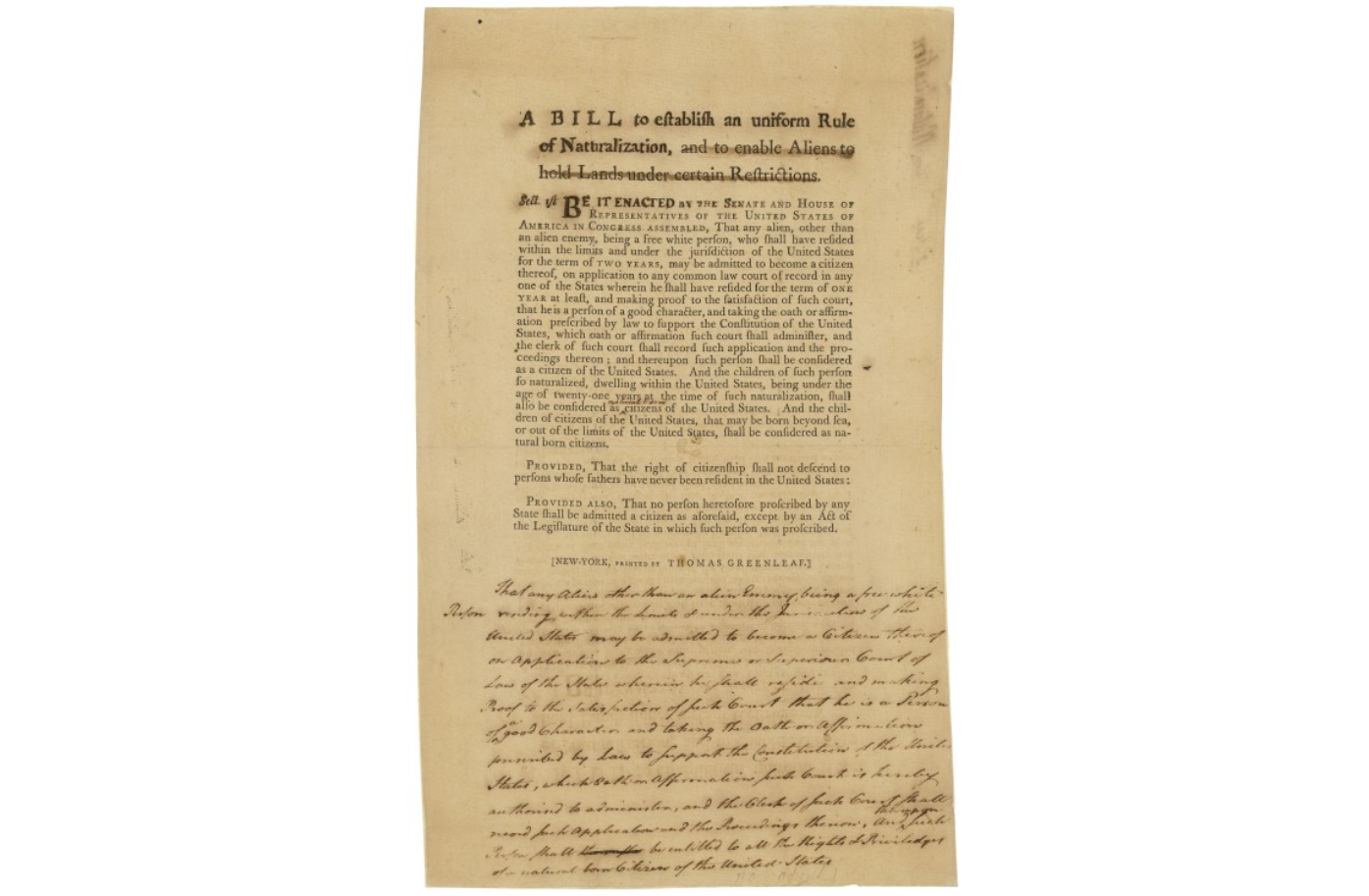
The Naturalization Act of 1790 stands as a foundational document in the history of American economic and civic policy. While often studied through the lens of political science, the act functions effectively as the nation’s first legislative framework for defining the “human capital” of a fledgling economy. By establishing the formal criteria for citizenship, the act created a mechanism for the long-term investment in the nation’s labor force and tax base. Understanding this legislation requires a deep dive into the financial implications of early American residency, the acquisition of property rights, and the strategic scaling of a national workforce.
The Economic Architecture of Citizenship
When the Founding Fathers drafted the Naturalization Act of 1790, they were not merely settling abstract questions of identity. They were constructing the parameters of a market economy that required a stable, verifiable, and permanent workforce. In the eighteenth century, citizenship was synonymous with the legal capacity to hold title to land, enter into binding contracts, and participate in the burgeoning transatlantic trade economy.
Establishing the Legal Residency Threshold
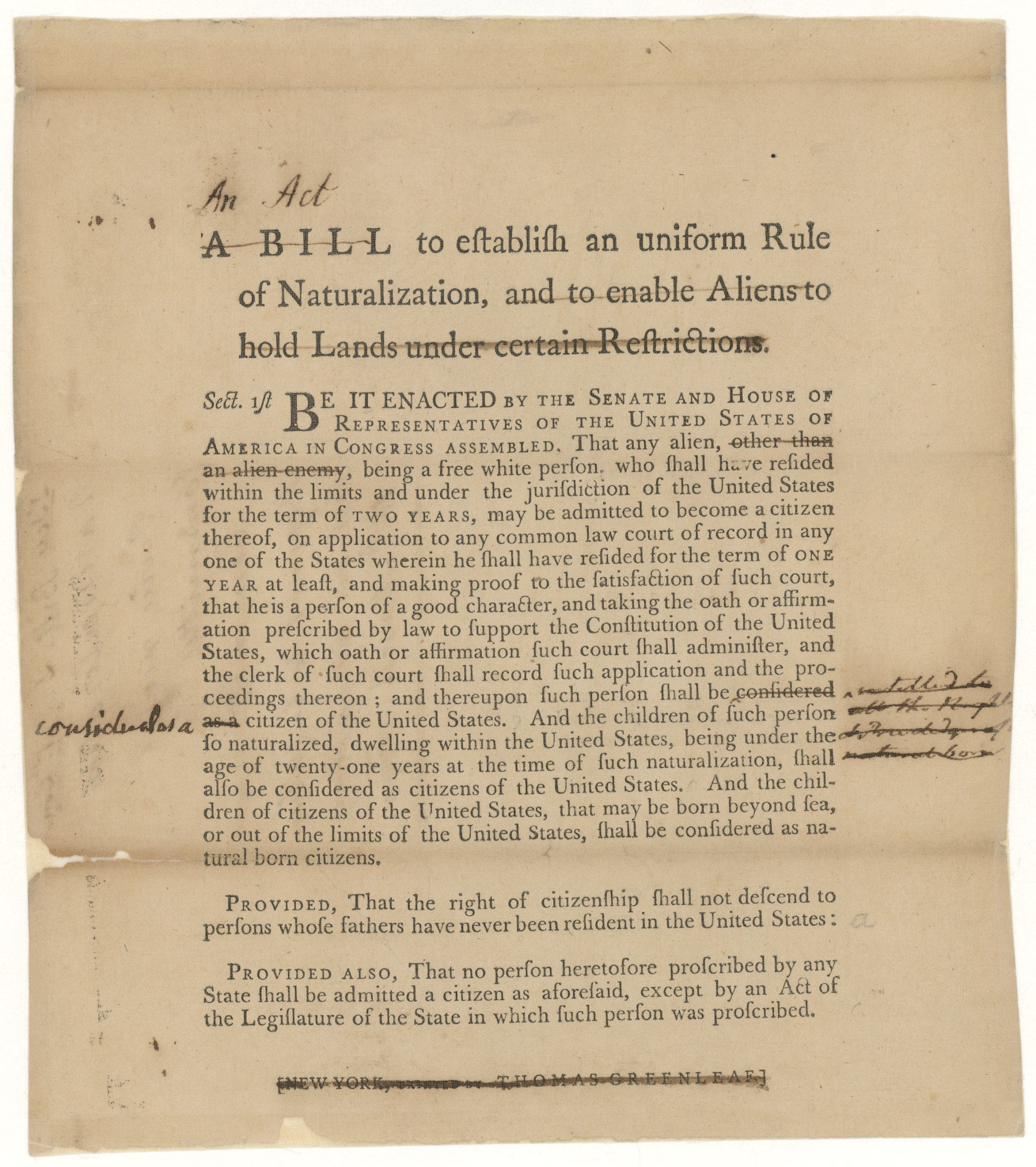
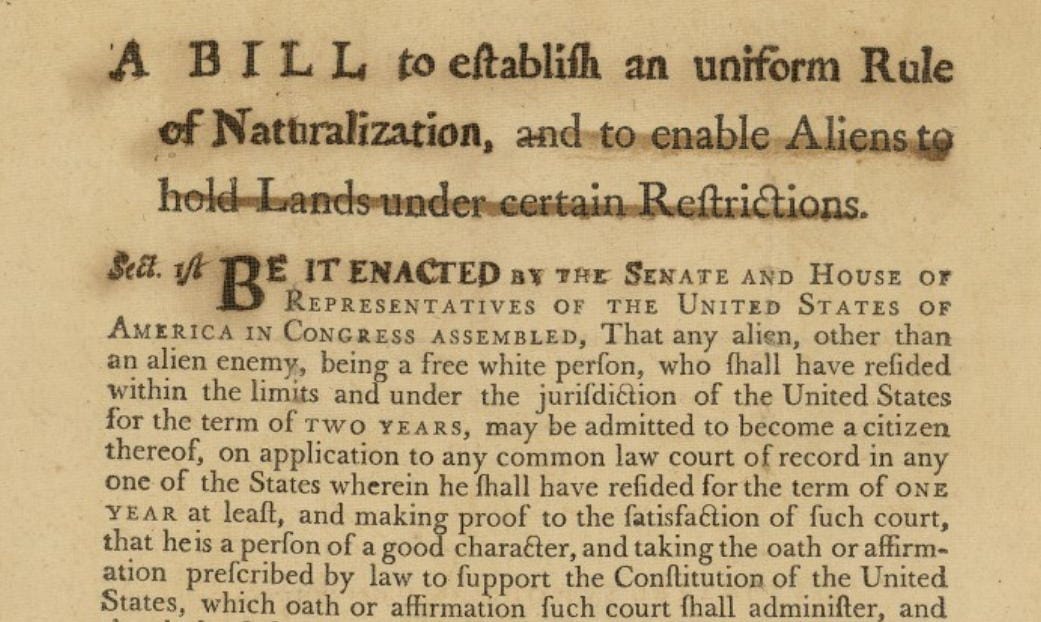
The core requirement of the act was a two-year residency period—a timeline that acted as an early “probationary period” for economic integration. This window served as a verification layer to ensure that an individual was not a transient laborer, but a committed participant in the American fiscal system. By formalizing this timeline, the government provided a roadmap for immigrants to achieve full legal standing, which in turn unlocked their ability to invest in real estate. The ability to own land was the primary vehicle for wealth accumulation in the 1790s; therefore, the Act was essentially the first federal guideline for who could participate in the American asset market.
Protecting the National Interest
The focus on “free white persons” of “good character” represented a narrow but strategic attempt to curate a specific demographic of taxpayers and property owners. From a macro-economic perspective, the early republic was desperate for capital investment and infrastructure development. The 1790 Act served as a gatekeeping mechanism, prioritizing those who brought technical skills, agricultural expertise, or commercial capital to the states. It was an early exercise in “national branding,” signaling to European markets that the United States was a stable, rule-based environment where commercial interests were legally protected.
Scalability and Capital Formation in the Early Republic
The 1790 Act was the catalyst for scaling the American economy. Before its passage, immigration was regulated under a fragmented patchwork of colonial and state laws, which created significant friction for international investors and prospective residents. By federalizing the naturalization process, the United States reduced the transaction costs associated with immigration.
Harmonizing Market Rules
For a new nation to compete with established European empires, it needed a unified market. By establishing a uniform rule of naturalization, Congress removed the uncertainty that had previously prevented individuals from moving between states. An individual who naturalized in Pennsylvania could now be confident that their status as a property owner and commercial actor would be recognized in Georgia. This mobility was essential for the rapid expansion of domestic commerce, as it allowed for the fluid movement of labor and capital across state lines without the threat of legal disenfranchisement.
The Role of “Good Character” as a Credit Score
The inclusion of “good character” in the legislation served a function analogous to modern credit scoring. In an era where reputation was the bedrock of commerce—before the advent of modern credit reporting bureaus—the reliance on character was an economic necessity. A merchant or farmer known for honesty and industry was a better long-term “investment” for the young country. By vetting individuals through the lens of character, the state was effectively performing due diligence, mitigating the risk of economic instability caused by individuals who could not meet their contractual or tax obligations.
Strategic Labor Management and Economic Growth
The legislative intent behind the 1790 Act was to stimulate growth by incentivizing the influx of skilled workers. The United States was, in its infancy, an agrarian society with significant gaps in industrial and commercial expertise. Naturalization was the primary tool for acquiring this missing intellectual and manual capital.
Leveraging Human Capital
The Act incentivized the migration of those who were likely to be productive members of society. By providing a clear path to citizenship—and the inherent economic rights that came with it—the United States essentially offered a “value proposition” to immigrants. Those who chose to naturalize were making a long-term commitment to the American economy, which in turn grew the nation’s tax base. Every person who transitioned from an alien to a citizen represented a gain in potential revenue for both state and federal treasuries, providing the capital necessary for early public works and debt management.
Impact on Long-Term Wealth Accumulation
The legal right to transfer property to heirs, which was directly tied to citizenship status, played a massive role in the development of American family wealth. By codifying citizenship, the 1790 Act stabilized the inheritance process for immigrants. When families are confident that their property will remain within their legal reach for generations, they are far more likely to invest in land improvements, better farming equipment, and local infrastructure. This creates a compounding effect on wealth, fueling the local economies that eventually formed the backbone of the American market.
Legacy and the Evolution of Economic Membership
While the Naturalization Act of 1790 has been criticized, amended, and eventually overhauled in the centuries since, its role in defining the “Member” of the American economy cannot be understated. It set the precedent that citizenship is an economic asset, one that carries specific duties and provides unique protections in the marketplace.
The Shift Toward Federal Oversight
The 1790 Act solidified the federal government’s role as the architect of the economic community. By seizing control of naturalization, the federal government asserted that it—not the states—would determine who had access to the benefits of the American economy. This shift was critical for the future of federal financial policy. If states had continued to control naturalization, the nation would have lacked the unified labor market that later supported industrialization.
Lessons for Modern Economic Policy
Looking back at the Act of 1790 provides a lesson in the importance of clear, accessible rules for economic integration. Whenever a society creates a clear, predictable, and fair path for new participants to enter the economy—whether through immigration, investment, or labor development—it creates the conditions for sustained growth. The 1790 Act was an imperfect tool, but its legacy is found in the modern American belief that a diverse, mobile, and legally protected population is the ultimate engine of economic prosperity.
As we analyze the history of the United States through this financial lens, we see that the Naturalization Act of 1790 was not just a legal document, but an economic strategy—a move designed to attract capital, solidify land ownership, and build the foundation of a nation that could compete in the global market. It was the moment the United States decided how to manage its most valuable asset: its people.
aViewFromTheCave is a participant in the Amazon Services LLC Associates Program, an affiliate advertising program designed to provide a means for sites to earn advertising fees by advertising and linking to Amazon.com. Amazon, the Amazon logo, AmazonSupply, and the AmazonSupply logo are trademarks of Amazon.com, Inc. or its affiliates. As an Amazon Associate we earn affiliate commissions from qualifying purchases.