
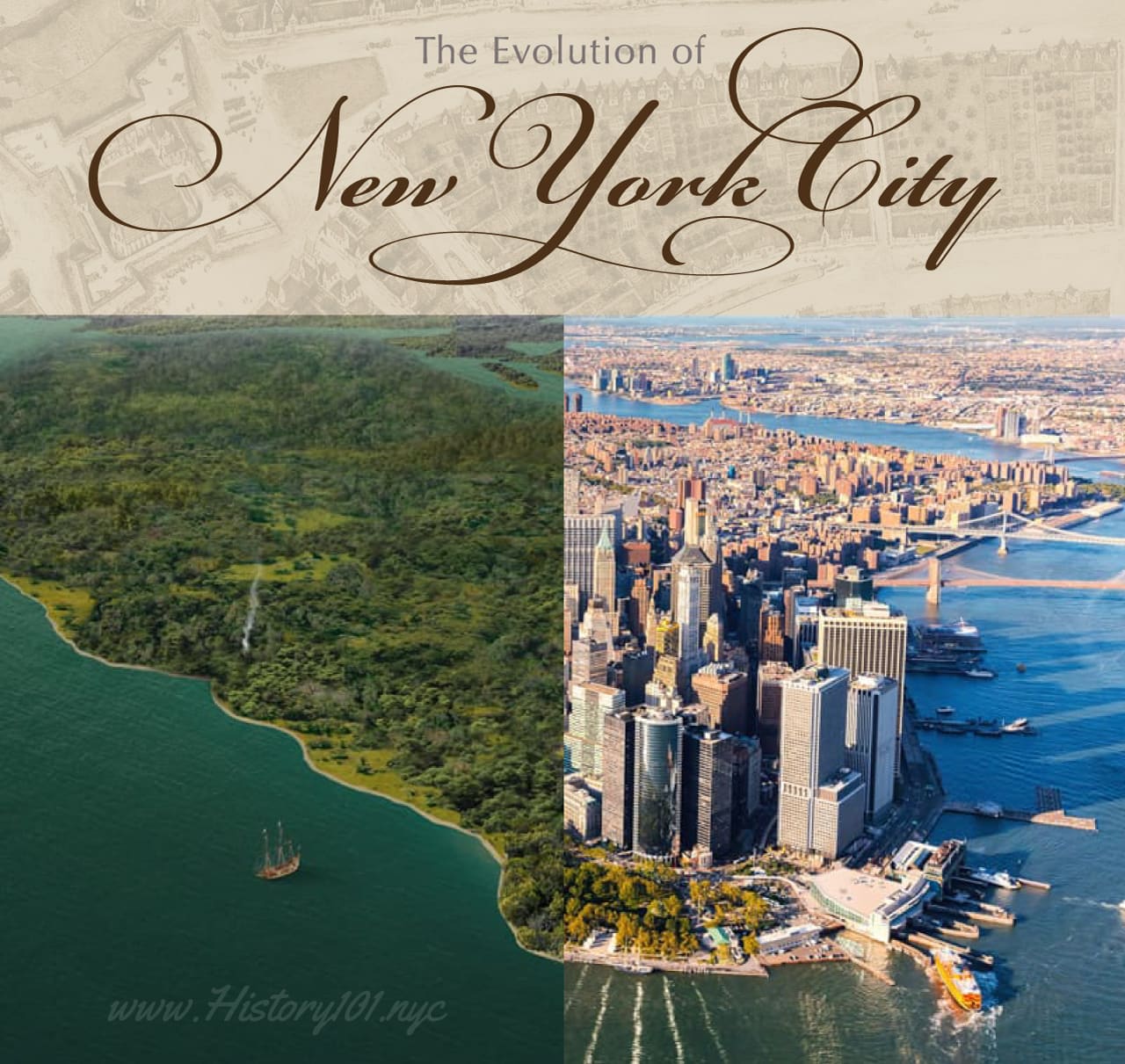
The evolution of New York City from a fledgling trading outpost to a global epicenter of commerce is a masterclass in brand identity. Before it was the “Big Apple,” and before it was New York, the territory was known as New Amsterdam. For brand strategists and corporate identity experts, the transition from New Amsterdam to New York serves as one of history’s most significant examples of a hostile brand takeover and a complete, deliberate market repositioning. Understanding this shift provides invaluable lessons in how territorial naming conventions dictate public perception, economic influence, and long-term brand equity.

The Identity Crisis of New Amsterdam
In the early 17th century, the Dutch West India Company established a strategic colonial outpost at the southern tip of Manhattan. They branded the region “New Amsterdam,” an extension of the Dutch identity that emphasized mercantilism, stability, and European cultural transplantation.
The Limitations of the Dutch Brand
From a branding perspective, New Amsterdam was hampered by a rigid, insular identity. It functioned as an extension of an existing corporate entity—the Dutch West India Company—rather than as a standalone destination with its own unique value proposition. The brand was tied too closely to its European roots, failing to capture the burgeoning potential of the North American market.
Marketing to the Wrong Demographic
The Dutch strategy focused heavily on the fur trade and controlled governance. They neglected the development of a broader consumer ecosystem. By keeping the brand localized to Dutch interests, they created an identity that felt alien to the diverse demographic of settlers and traders flowing into the region. In corporate terms, New Amsterdam had a low “cultural stickiness” quotient; it was a functional name for a functional port, but it lacked the aspirational qualities required to command a global market share.
The Rebranding: From Dutch Outpost to English Powerhouse
The transition of 1664, when the English took control of the territory and renamed it New York, was not merely a political conquest. It was a hostile rebranding campaign that signaled a shift in ownership, management, and strategic vision.
Establishing the New Brand Equity
The name “New York” was bestowed in honor of the Duke of York, who later became King James II. In modern branding language, this was an attempt to leverage the authority and institutional credibility of the English monarchy. By replacing a commercial descriptor (“Amsterdam”) with a royal title, the British shifted the brand perception from a temporary trading post to a permanent, prestigious seat of power.
Eliminating the Legacy Competitor
The renaming was a tactical move to erase the Dutch footprint entirely. For a brand to succeed, it must possess a clear and unmistakable identity. By scrubbing the “Amsterdam” suffix from the landscape, the English removed the confusion regarding the territory’s management. This is a classic case study in why legacy branding—while historically significant—can often hinder the growth of a new venture that requires a clean slate to attract new stakeholders and investors.
Strategic Repositioning for Global Scale
Once the brand was secured under the English flag, the region began an aggressive campaign of market expansion. The shift in naming allowed for a pivot in the city’s internal and external messaging.

Capitalizing on the “New” Prefix
The use of the prefix “New” is a psychological branding tactic that implies both familiarity and evolution. It creates a bridge between the old world and the new market. By maintaining the familiarity of the “York” name while establishing a fresh identity in the colonies, the territory successfully signaled that it was the next iteration of a successful, established system. It gave settlers and investors the comfort of the known, combined with the immense, untapped potential of the frontier.
The Power of Linguistic Simplification
“New Amsterdam” was a mouthful that carried specific cultural baggage. “New York” was punchy, authoritative, and linguistically simple. In the world of marketing, brevity is often linked to memorability. As the city grew, this simplicity allowed the brand to permeate global trade networks more effectively. When traders across the Atlantic spoke of their business, “New York” functioned as a superior shorthand compared to its predecessor.
The Big Apple: The Evolution of Modern Brand Persona
Every major city requires a secondary brand identity—a “brand moniker”—that captures its emotional essence. New Amsterdam never reached this level of brand maturity. New York, however, evolved beyond its formal name into the “Big Apple,” a marketing triumph that moved the brand from a formal designation to a cultural phenomenon.
Defining a Brand Vibe
A brand name provides the legal and structural identity, but a brand moniker provides the emotional connection. The transition from the formal, institutional name “New York” to the evocative, approachable “Big Apple” demonstrates how a city successfully manages its corporate identity while maintaining a vibrant, populist marketing layer.
Consistency and Reputation Management
Today, New York remains a masterclass in identity consistency. Despite its complex, multi-layered history, the brand has remained steadfastly recognizable. The success of the name change centuries ago set a foundation for the city to build a reputation as the world’s leading hub for finance, fashion, and culture. Businesses looking to mirror this success should recognize that the name they choose must accommodate both their current operations and their future scale. A brand that identifies as a “trading outpost” will always struggle to compete with a brand that positions itself as a “center of the world.”
Lessons for Modern Brand Strategy
The story of New York’s naming is not just a lesson for historians; it is a vital case study for anyone involved in brand strategy and corporate identity.
Ownership dictates Perception
The shift from New Amsterdam to New York reminds us that the perceived owner of a brand significantly dictates the brand’s valuation. When the management changed, the brand evolved. If a company finds its brand failing to capture the intended market, it is often because the name is too closely tethered to a legacy structure that no longer serves the current vision.
The Risk of Cultural Stagnation
New Amsterdam failed to capture the imagination of the diverse population it needed to thrive because it was too narrow in its cultural focus. New York, conversely, became a melting pot precisely because its brand was open-ended. It was not a “Dutch” city; it was “New York,” a title that welcomed all who arrived to participate in its growth. For contemporary businesses, this underscores the importance of creating a brand identity that invites participation rather than defining exclusivity.
The Long-Term ROI of a Name
The rebranding of New York was a long-term investment that has yielded centuries of dividends. The city’s name is now a global asset—a trademark that represents excellence, ambition, and scale. When choosing a name for a new entity, a product, or a personal brand, the decision must be treated as a permanent foundation for a future legacy. A name should be chosen not just for its immediate relevance, but for its capacity to hold the weight of future growth, expansion, and cultural influence.
By observing the evolution from a Dutch outpost to a global titan, we see that the name of an entity is the first and most critical point of consumer contact. It defines the boundaries of the brand’s influence and determines the trajectory of its growth. Whether in a colonial frontier or a digital marketplace, the principles remain the same: simplify, elevate, and ensure that the name aligns perfectly with the future state of the brand.
aViewFromTheCave is a participant in the Amazon Services LLC Associates Program, an affiliate advertising program designed to provide a means for sites to earn advertising fees by advertising and linking to Amazon.com. Amazon, the Amazon logo, AmazonSupply, and the AmazonSupply logo are trademarks of Amazon.com, Inc. or its affiliates. As an Amazon Associate we earn affiliate commissions from qualifying purchases.