
In the landscape of modern marketing, the most powerful brands are those that successfully cultivate a “Garden of Eden”—a foundational mythos that defines their values, their origins, and their promise to the consumer. While the literal Garden of Eden is a theological concept, in the realm of corporate identity and brand strategy, it serves as the ultimate archetype for the “Origin Narrative.” A brand’s Garden is the space where its identity was first conceived, where the rules of its culture were established, and where its core ethos remains preserved.
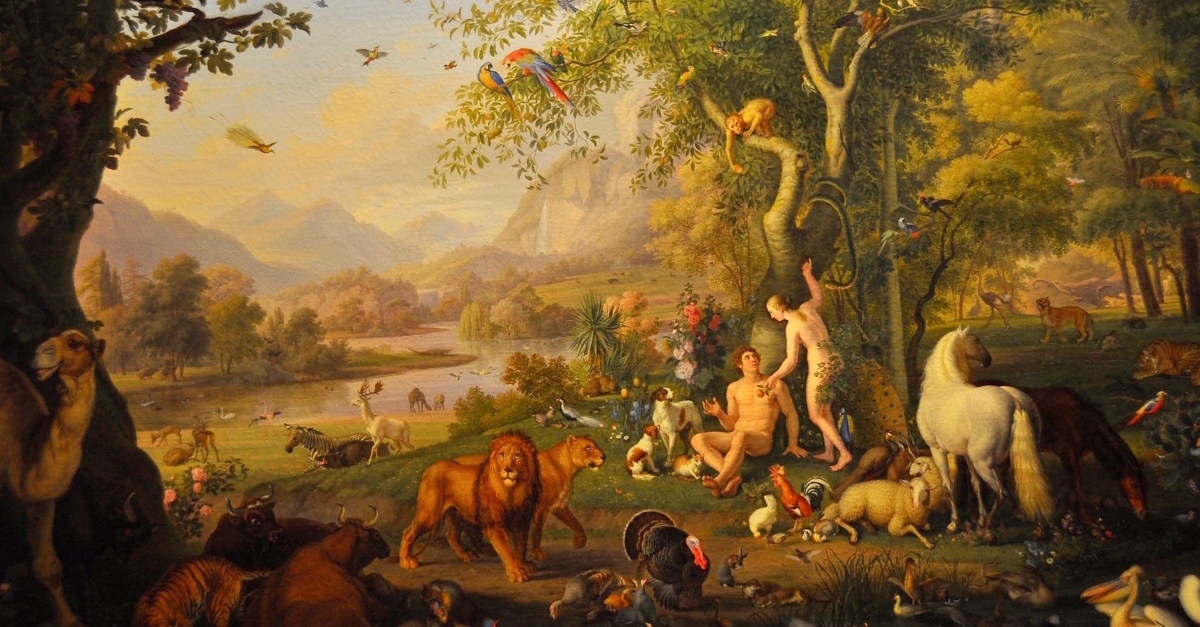
For businesses, identifying and articulating their own “Garden” is not merely a creative exercise; it is a fundamental pillar of brand equity. It is the story that explains why the company exists, what was present at its inception, and why that environment matters to the audience today.
The Architecture of the Genesis Story
Every iconic brand is built upon an origin story that functions as a mythic garden. This is the space where the vision was untainted, the mission was pure, and the core philosophy was planted. When companies undergo a brand refresh or a strategy pivot, they are often attempting to return to this garden—to strip away the complexities of corporate growth and reconnect with the simple truths that defined them at the start.
The Elements of an Origin Myth
An effective brand Garden consists of three specific components: the visionary (the gardener), the catalyst (the fruit), and the environment (the ecosystem). The visionary provides the intent, the catalyst serves as the unique selling proposition or the breakthrough idea, and the ecosystem is the market culture in which the brand operates.
For instance, Apple’s “Garden” is famously the garage in Los Altos. It represents a space of counter-cultural rebellion, simplicity, and the democratization of technology. By constantly referencing this space, the brand ensures that even as a trillion-dollar entity, it maintains the perceived agility and insurgent spirit of its origins. This is the power of the origin story: it transforms a product into a legend.
Cultivating Authenticity Through History
Modern consumers are highly skeptical of corporate messaging. They can smell artificiality. When a brand ignores its history or attempts to rewrite it, the audience feels a sense of dissonance. Authentic brands treat their origins as a living heritage. They do not hide the “mistakes” or the “smallness” of their beginnings; they celebrate them. The Garden of Eden, in a business sense, is never perfect—it is simply where the truth began. By acknowledging the humble, scrappy, or perhaps even flawed environment of their founding, brands build an emotional bridge with their customers.
The “Fruit” of the Garden: Defining Your Core Value
If the brand is the Garden, the core value proposition is the “fruit”—the tangible result of the brand’s labor that the customer consumes. In the biblical narrative, the fruit is a metaphor for knowledge and consequence. In brand strategy, the “fruit” is the transformative experience or the utility the product provides to the user.
Knowledge as a Competitive Advantage
In the digital age, knowledge is the primary currency. Brands that share their “hidden” wisdom—the insights, the research processes, and the failures they encountered in their early days—create a deep sense of trust. When a brand acts as a guide, helping the consumer navigate the complexity of their specific industry, they are essentially sharing the fruit of their labor. This is why content marketing, when done correctly, functions as a form of stewardship. The brand offers the user the “knowledge” required to improve their lives, which fosters long-term loyalty.

Ensuring the Fruit Remains Untainted
The greatest risk to a brand is the dilution of its core value. As companies scale, they often introduce too many variables, products, or services that fall outside their original mission. They “over-water” the garden, leading to a loss of focus. Successful brand strategy requires a ruthless commitment to the “Original Fruit.” Every new product launch or service expansion should be measured against the question: “Does this align with the original promise we made in our Garden?” If the answer is no, the brand risks becoming unrecognizable to its original audience.
Protecting the Ecosystem: Branding in a Post-Truth Market
Maintaining the sanctity of a brand’s origin story is a challenge in an era characterized by rapid digital transformation and constant competition. The “Garden” of a brand is constantly being encroached upon by competitors, market shifts, and public perception. Protecting this ecosystem is the primary role of modern brand management.
The Role of Corporate Identity
A brand’s identity is the fence around its Garden. It defines what is inside and what is out. Through design, tone of voice, and visual storytelling, a company creates boundaries that protect its reputation. A strong visual identity acts as a sentinel, ensuring that the brand is instantly recognizable regardless of the platform. Whether it is a minimalist logo or a specific color palette, these elements serve as the visual shorthand for the brand’s history.
When a company loses its identity, it loses its history. We have seen countless examples of legacy brands attempting to reinvent themselves by abandoning their visual heritage, only to alienate their most devoted customer base. To stay relevant, a brand should evolve its aesthetic while keeping the “seeds” of its design language firmly planted in its past.
Stewardship and Long-Term Strategy
The ultimate goal of brand strategy is stewardship. A CEO or a CMO is essentially a caretaker of a garden that was planted long before they arrived. They are responsible for keeping the soil nutrient-rich, pruning the dead weight, and ensuring that the brand continues to produce fruit that resonates with new generations.
This requires a delicate balance of preservation and innovation. You cannot simply stay in the past; you must innovate to survive. However, innovation without a connection to the origin story is merely noise. The most successful brands—like Patagonia or Nike—are masters of this. They innovate technologically, but their marketing consistently returns to the values established at their founding. They remind the audience that despite the new, the “soul” of the brand—the original intent—remains unchanged.
Reclaiming the Garden: Why We Return to Origins
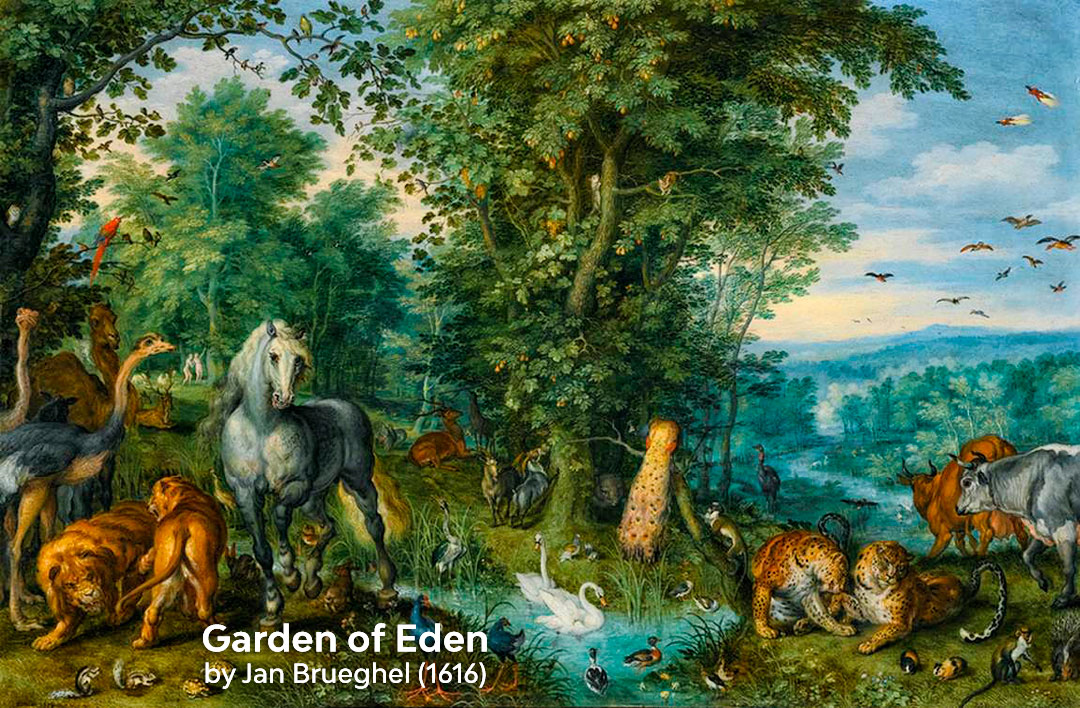
There is a psychological comfort in stories of origin. In a market where everything is fleeting, where startups rise and fall within months, and where technology renders tools obsolete in years, the “Garden” represents permanence. It is a touchstone. When a brand talks about its early challenges, its founding team, or its original mission, it invites the customer into the narrative. The consumer is no longer just a buyer; they become a participant in the ongoing story of the brand.
The Future of Brand Narrative
As we move further into an era of automation and artificial intelligence, the human element of branding will become more valuable. Technology can generate content, but it cannot generate a soul. The “Garden of Eden”—the authentic, messy, human, and visionary story of why a business began—is something that no algorithm can replicate.
Brands that win in the coming decade will be those that have the courage to tell their own genesis stories with transparency and conviction. They will show the world not just what they sell, but what they were, what they stand for, and what they hope to harvest for the future. By tending to their gardens with care, these companies will ensure that they do not just survive the market, but that they become an enduring part of the cultural landscape, forever rooted in the values that first gave them life. The garden remains, provided there is a steward willing to tell its story.
aViewFromTheCave is a participant in the Amazon Services LLC Associates Program, an affiliate advertising program designed to provide a means for sites to earn advertising fees by advertising and linking to Amazon.com. Amazon, the Amazon logo, AmazonSupply, and the AmazonSupply logo are trademarks of Amazon.com, Inc. or its affiliates. As an Amazon Associate we earn affiliate commissions from qualifying purchases.