
When a blemish appears on the surface of your skin, it is often accompanied by a visible, opaque head—the quintessential whitehead that many find impossible to ignore. While the instinct to pop or extract this blemish is common, understanding the biological composition of that “white stuff” is essential for skin health. From a dermatological and biological perspective, that substance is far more complex than simple dirt or debris. It is a biological byproduct of your body’s immune response, consisting of a precise mixture of sebum, dead skin cells, and microscopic remnants of the battle between your skin’s microbiome and your immune system.
The Anatomy of a Pimple: Sebum and Cellular Debris
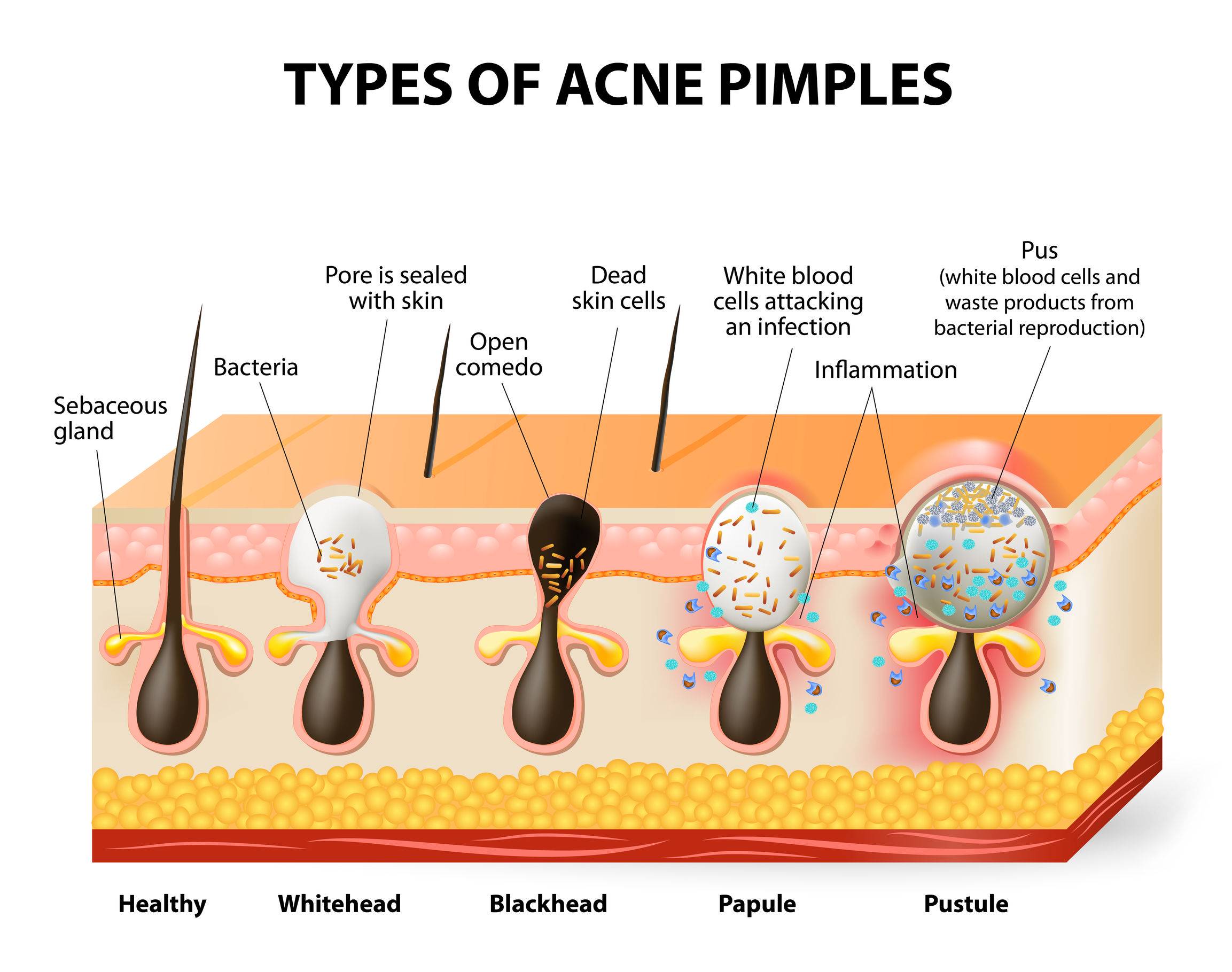
At the foundation of every whitehead is the pilosebaceous unit—a fancy term for the hair follicle and its attached oil gland. This unit is designed to keep the skin lubricated and protected, but it can quickly become a site of congestion.
The Role of Sebum
The primary component of the white fluid is sebum, an oily, waxy substance produced by sebaceous glands. Under normal circumstances, sebum travels up the hair follicle and onto the skin’s surface to maintain hydration and act as a barrier against environmental pollutants. However, when sebum production increases—often due to hormonal fluctuations or genetics—it can become trapped within the follicle.
Hyperkeratinization: The Trap
The second ingredient in the “white stuff” is dead skin cells. In a healthy cycle, skin cells shed at the surface of the pore. In those prone to acne, these cells do not shed properly; instead, they become “sticky” and cling to the walls of the follicle. This process, known as hyperkeratinization, creates a plug. When you combine this solid wall of dead skin cells with an excess of sebum, you create the perfect physical blockage. This is the stage known as a closed comedone, or a whitehead.
The Immune Response: Where Pus Originates
Once a pore is blocked, the environment inside the follicle changes drastically. It becomes an anaerobic, nutrient-rich petri dish, particularly for Cutibacterium acnes (formerly known as Propionibacterium acnes), a bacterium that naturally resides on human skin.
The Recruitment of White Blood Cells
When C. acnes begins to feed on the trapped sebum, it multiplies rapidly. This overgrowth triggers the body’s alarm system. The immune system identifies the proliferation of bacteria as a threat and dispatches white blood cells, specifically neutrophils, to the site of the infection.
The Formation of Pus
The white substance that eventually surfaces as the head of a pimple is effectively “pus.” Pus is a cloudy, often white or yellowish fluid composed of dead neutrophils, bacteria, and cellular debris. The neutrophils arrive at the follicle, consume the bacteria, and die in the process. This accumulation of dead immune cells, combined with the metabolic byproducts of the bacteria and the trapped sebum, forms the creamy material we see. In essence, the white stuff is a tomb for the immune cells that gave their lives to neutralize the bacterial infection in your pore.
Why You Should Never Pick the Whitehead
Despite the urge to squeeze the fluid out, dermatologists universally advise against manual extraction. Understanding what the “white stuff” is actually highlights the risks of interfering with the natural healing process.
Pushing Bacteria Deeper
When you apply pressure to a pimple, you aren’t just pushing the contents out; you are often pushing the infection deeper into the dermis. The follicle wall is delicate. By squeezing, you risk rupturing the wall from the inside. Once the follicular wall breaks, the pus, bacteria, and sebum leak into the surrounding healthy tissue. This turns a localized, surface-level bump into a deeper, inflamed, and painful nodule or cyst that is much more likely to scar.
Introducing Secondary Infections
Your hands are home to a vast ecosystem of bacteria, viruses, and fungi that do not belong in an open pore. By touching or popping a whitehead, you introduce external contaminants to an already vulnerable site. This can lead to secondary infections, increased redness, and a significantly longer healing time.
The Risk of Post-Inflammatory Hyperpigmentation
Inflammation is the primary driver of acne scarring. The more you manipulate a pimple, the more inflammation you create. The skin responds to this trauma by producing excess melanin, leading to dark spots (post-inflammatory hyperpigmentation) or, in more severe cases, permanent pitted scarring. Allowing the whitehead to resolve on its own, or using targeted chemical treatments, is the only way to ensure the skin remains smooth and unblemished.
Managing Whiteheads: A Scientific Approach
Rather than relying on mechanical extraction, effective management of whiteheads involves chemical intervention designed to normalize skin turnover and reduce bacterial load.
Salicylic Acid and Pore Clearing
Salicylic acid is a beta-hydroxy acid (BHA) that is oil-soluble, meaning it can penetrate deep into the pore to dissolve the “glue” holding the dead skin cells together. By clearing the pore of excess sebum and cellular debris, salicylic acid prevents the blockage that leads to the formation of the whitehead in the first place.
Retinoids and Cellular Regulation
Topical retinoids are the gold standard for long-term acne management. These vitamin A derivatives work by increasing the rate of cellular turnover. By speeding up the shedding of skin cells, retinoids prevent the hyperkeratinization process, ensuring that dead cells are sloughed off before they can form a plug with sebum.
Benzoyl Peroxide and Bacteria Control
For whiteheads that are already forming or inflamed, benzoyl peroxide acts as a potent antimicrobial agent. It releases oxygen into the pore, creating an environment that is hostile to C. acnes. Because C. acnes is an anaerobic bacterium, it cannot survive in oxygen-rich conditions. Benzoyl peroxide effectively kills the bacteria that trigger the immune response, thereby preventing the creation of the pus that constitutes the white head.
Conclusion: Respecting the Biological Process
The white stuff in your pimple is a visible sign of your body’s complex immune system functioning exactly as it was designed. It is a battlefield of skin cells, sebum, and white blood cells working to contain a bacterial threat. Viewing it as a biological marker rather than a personal annoyance can help shift your perspective toward better skincare habits.
By avoiding the temptation to manually clear the pore and instead utilizing ingredients that regulate oil production, enhance exfoliation, and manage bacterial growth, you can support your skin’s natural healing mechanism. Healthy skin is not about the absence of biological processes; it is about managing them through consistent, evidence-based care. The next time you spot a whitehead, remember that it is simply a byproduct of your body protecting itself—and the best way to help is to step back, maintain a consistent routine, and let the healing process occur without interference.
aViewFromTheCave is a participant in the Amazon Services LLC Associates Program, an affiliate advertising program designed to provide a means for sites to earn advertising fees by advertising and linking to Amazon.com. Amazon, the Amazon logo, AmazonSupply, and the AmazonSupply logo are trademarks of Amazon.com, Inc. or its affiliates. As an Amazon Associate we earn affiliate commissions from qualifying purchases.