
For international shoppers and fashion enthusiasts, the landscape of sizing can feel like a labyrinth of conflicting standards. When you encounter a size 38 label—a common designation in European manufacturing—it is rarely a one-size-fits-all answer. Depending on whether you are looking at footwear, dresses, or tailored suits, that number 38 acts as a gateway to vastly different measurements. Understanding how these sizing systems correlate to the US market is essential for minimizing returns, optimizing your wardrobe investments, and mastering the art of global retail.
Deciphering the Size 38 in European Footwear
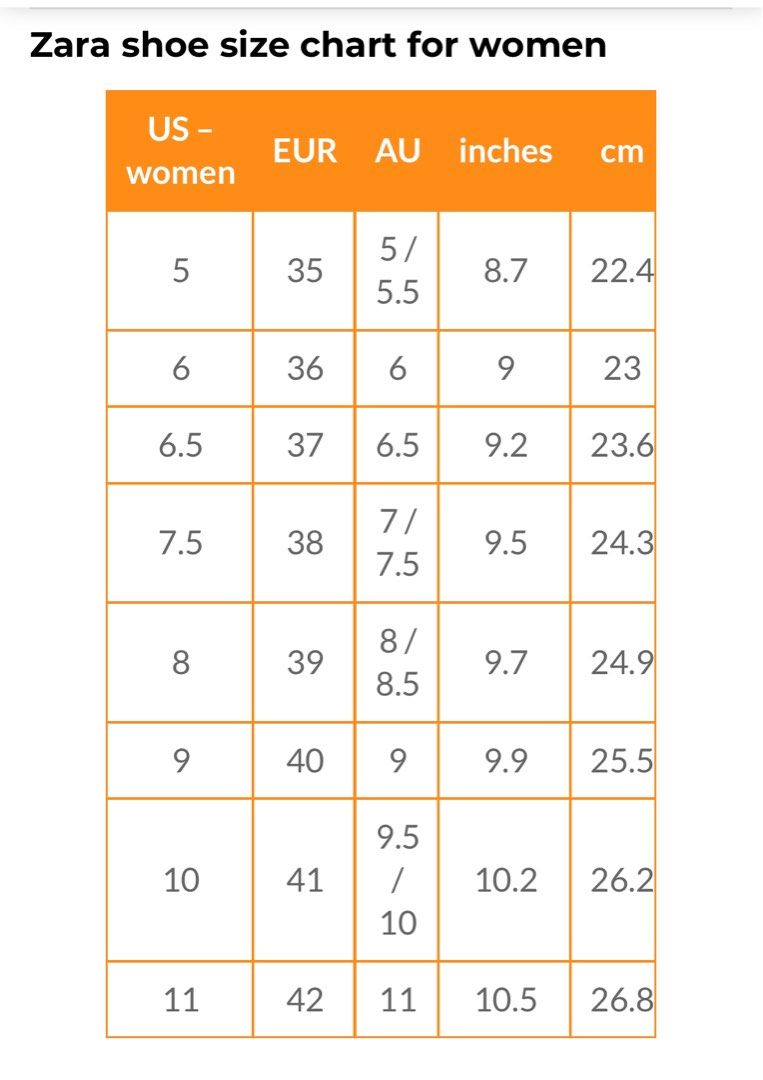
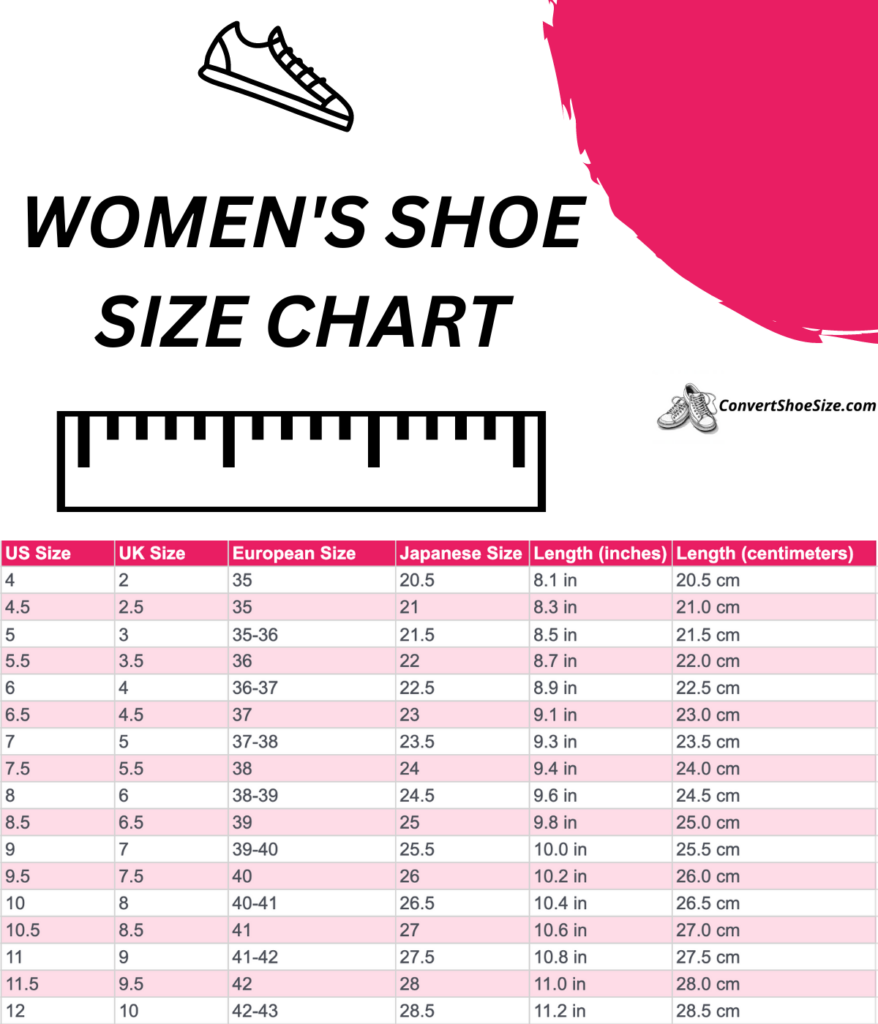
The most common point of confusion regarding the number 38 occurs in the footwear department. In the European Union (EU) sizing system, a 38 is the standard equivalent for a women’s US size 7.5 or 8. However, the exact conversion depends heavily on the brand’s specific “last”—the mechanical form shaped like a human foot that manufacturers use to build their shoes.
The Nuance of Length vs. Width
While an EU 38 typically correlates to a US 7.5, many high-end Italian or French fashion houses design their lasts to be slightly narrower than their American counterparts. When you purchase a luxury shoe marked 38, you may find that while the length is perfect, the width requires a period of “breaking in.” In the US, a standard width is “B,” whereas many European manufacturers favor a slightly more tapered fit. If you are accustomed to a US 8 and have a wider foot, you might find that an EU 38 feels constrictive, necessitating a move up to an EU 39.
Material Impact on Sizing
The material of the footwear also dictates how a 38 will fit over time. Leather shoes, for instance, are prone to stretching. If you buy a stiff, vegetable-tanned leather loafer in a 38, it may feel snug initially but will eventually mold to your foot. Synthetic materials or heavy technical textiles found in athletic gear do not offer this flexibility. Therefore, when purchasing sneakers or performance footwear in a 38, it is often safer to prioritize your US size (7.5 or 8) and consider the specific sizing chart provided by the manufacturer, as athletic brands often have proprietary conversion scales that differ from traditional dress shoes.
Decoding the Size 38 in Women’s Apparel
Moving from footwear to apparel, the number 38 takes on an entirely different meaning. In most European women’s clothing—specifically in France, Germany, and Spain—a size 38 generally translates to a US size 6 or 8. This is where brand strategy and “vanity sizing” complicate the consumer experience.
The French and Italian Variation
In French sizing, a 38 is typically a “medium” or a standard US size 6. If you are shopping at a French boutique, a size 38 is designed to fit a body with a bust measurement of approximately 34–35 inches and a waist of 27–28 inches. However, Italian sizing—often labeled as IT 42—is sometimes equated to a 38 in other European markets. Always look for the country of origin on the label before assuming the fit. A German 38, for example, often runs slightly more generous in the shoulders than a French 38, reflecting the regional variations in average body metrics used by pattern makers.
Why Sizing Isn’t Universal
Brands invest millions into their “fit profiles.” A brand marketing itself as a luxury, high-fashion house may intentionally cut their size 38 garments smaller to maintain an exclusive aesthetic. Conversely, “fast-fashion” retailers often adjust their 38s to be more inclusive, sometimes making them equivalent to a US 8 or even 10. When navigating these differences, the best practice is to stop shopping by the number and start shopping by the measurement. Before committing to an online purchase, utilize the brand’s digital size guide, which should ideally list the garment’s specific chest, waist, and hip dimensions in inches.

The Men’s Suit and Jacket Dilemma
For men, the number 38 is a much more specific indicator. In the world of tailoring, a 38 signifies the chest measurement in inches. Unlike women’s clothing, where sizing can be arbitrary, a 38-inch jacket is intended to fit a person with a 38-inch chest circumference.
The “Drop” and What It Means
The confusion for men usually arises from the “drop”—the difference between the chest size of the jacket and the waist size of the accompanying trousers. In a standard US suit, a size 38 jacket usually comes with a 32-inch waist (a 6-inch drop). However, European brands often utilize a different drop ratio. A European 48 (which is the metric equivalent of a US 38) might feature a slimmer cut, often with a 7 or 8-inch drop, resulting in a significantly tighter waist than the American wearer might expect.
The Importance of Structural Integrity
When you buy a size 38 jacket, you are buying into the designer’s vision of silhouette. A 38 in an unstructured, deconstructed Italian blazer will hang differently on the frame than a 38 in a structured, padded-shoulder British military-style coat. If you are ordering a 38 online, verify the “shoulder width” measurement. While you can easily have a tailor take in the waist of a jacket, altering the shoulder width of a 38 jacket is a major surgical operation that can destroy the garment’s balance. Always prioritize the shoulder fit over the waist fit; if the shoulders fit, the rest can be tailored.
Strategies for International Online Shopping
As e-commerce continues to blur borders, the consumer must become their own personal stylist and analyst. Relying on the size 38 tag alone is a recipe for expensive return shipping fees. Instead, leverage modern digital tools to bridge the gap.
Utilize Size Recommendation Software
Many high-end retailers now embed “size recommender” software directly on their product pages. These tools ask for your height, weight, and your preferred fit in other brands you already own. These algorithms are becoming increasingly accurate at predicting whether a 38 will fit your specific frame. Do not ignore these prompts; they are informed by thousands of previous customers who had the same questions you do.
The Value of Measuring at Home
If you are serious about curating a wardrobe that fits, you must move beyond the vanity of the tag. Keep a soft measuring tape in your drawer. Record your chest, waist, hip, inseam, and neck measurements in both inches and centimeters. When you visit a website, compare these hard numbers to the garment’s flat-lay dimensions. If a product description lists a 38-inch chest but you measure 40 inches, you know immediately that the garment will be too tight, regardless of whether the brand labels it a size “Medium” or a “38.”
Consistency and Brand Loyalty
The most successful strategy for navigating sizing is to identify brands that align with your specific body type and stick with them. If a particular French label’s 38 consistently fits your frame, you have found a “fit baseline.” Once you establish this baseline, you can use it as a benchmark to assess other brands. If a new brand’s size chart indicates that their 38 is significantly smaller than your baseline, you have the data-driven confidence to size up to a 40 without anxiety.
Ultimately, a size 38 is just a data point—a starting marker in a broader conversation between the manufacturer’s design philosophy and your unique anatomy. By understanding the structural differences between European and American sizing, paying attention to the material composition, and relying on precise body measurements, you can navigate the global retail market with the confidence of a seasoned industry professional.
aViewFromTheCave is a participant in the Amazon Services LLC Associates Program, an affiliate advertising program designed to provide a means for sites to earn advertising fees by advertising and linking to Amazon.com. Amazon, the Amazon logo, AmazonSupply, and the AmazonSupply logo are trademarks of Amazon.com, Inc. or its affiliates. As an Amazon Associate we earn affiliate commissions from qualifying purchases.