
In the world of professional branding and corporate communication, the words you choose to represent your identity act as the foundation of your narrative. While marketing often focuses on high-level strategy and visual aesthetics, the grammatical mechanics—specifically pronouns—serve as the subtle architects of connection. Understanding the nuances of pronouns is not merely a task for linguists; it is a vital tool for brand managers, copywriters, and entrepreneurs looking to shape how their audience perceives them. Whether you are crafting a mission statement, managing a personal brand, or developing a corporate voice, the pronouns you employ dictate the level of intimacy, authority, and inclusivity your brand projects.
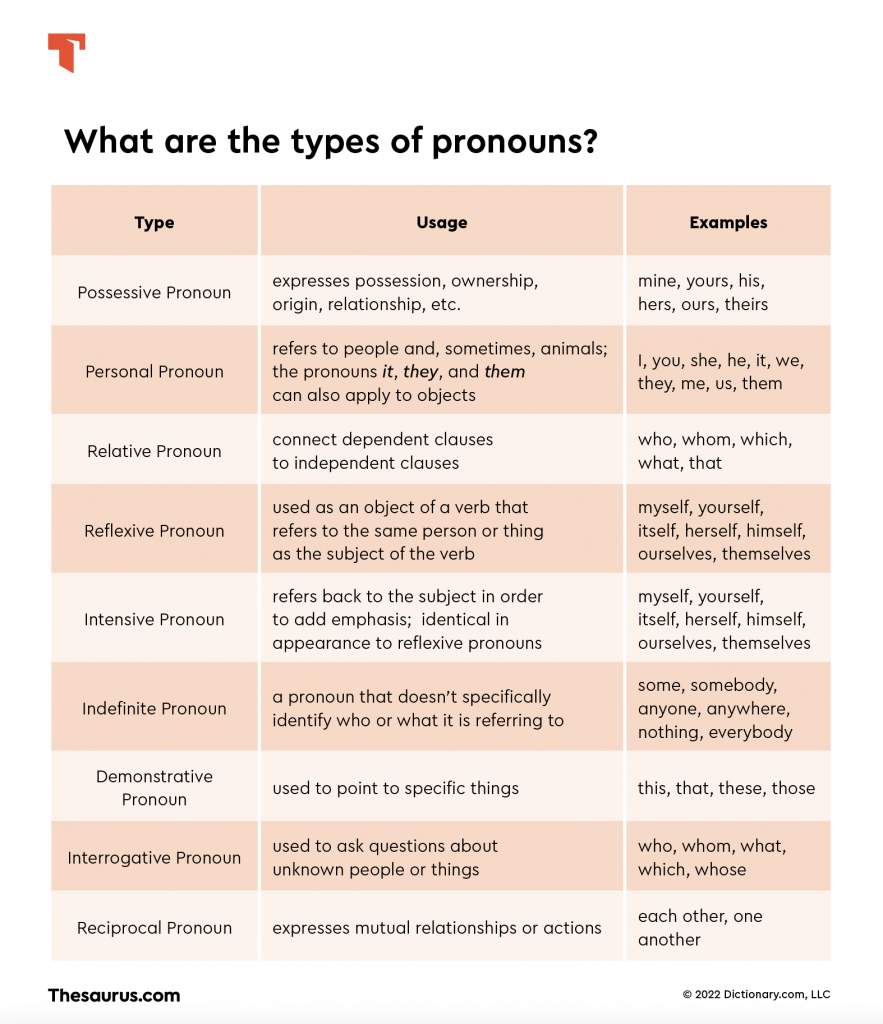
The Pillars of Personal and Corporate Branding
Pronouns are the placeholders of our identity. In the context of branding, they function as the bridge between the entity and the consumer. Choosing whether to use first-person, second-person, or third-person perspectives can fundamentally alter the perceived relationship between a business and its market.
The Power of First-Person Pronouns
When a brand uses “I,” “me,” or “my,” it is making a claim to personal accountability. This is common in personal branding, where the founder is synonymous with the business. It humanizes the company, suggesting that there is a real person behind the product. However, when scaled to a corporate entity, the use of “we,” “us,” and “our” becomes the standard. These collective pronouns foster a sense of community and team-based excellence. They signal that the brand is not a singular entity but a powerhouse of collaborative effort, which builds trust and reliability in the eyes of investors and stakeholders.
The Directness of Second-Person Pronouns
The pronoun “you” is the most potent tool in a marketer’s arsenal. It moves the focus away from the company’s internal achievements and squarely onto the consumer’s needs. By centering the copy around the customer, brands create a “you-focused” strategy that is essential for effective conversion. When you speak directly to your audience, you transform a passive reader into an active participant in your brand story. This level of engagement is what distinguishes a brand that merely exists from a brand that truly resonates.
The Neutrality of Third-Person Pronouns
Third-person pronouns—”he,” “she,” “it,” “they,” and “them”—are typically reserved for descriptive, objective, or narrative-driven content. In brand strategy, third-person references are often used in case studies, testimonials, or press releases where a degree of distance is required to establish authority. Using “they” or “them” to describe a customer base, for example, allows a brand to remain analytical and data-driven. However, over-reliance on third-person narrative can create a wall between the brand and the reader, making the content feel clinical or detached.
Gender-Neutrality and Modern Inclusive Branding
As corporate identity evolves to reflect a more diverse global marketplace, the strategic use of pronouns has shifted toward inclusivity. Modern brand strategy now recognizes that the language of “he” and “she” is inherently limited. Implementing gender-neutral language is no longer just a social preference; it is a critical component of professional branding.
The Role of Singular ‘They’ in Marketing
The adoption of the singular “they” allows brands to speak to audiences without making assumptions about gender identity. This is particularly vital for brands operating in the digital space, where the user base is expansive and diverse. By embracing inclusive pronouns, a brand signals that it values the unique identity of every individual. This approach minimizes alienation and broadens the reach of marketing campaigns, effectively future-proofing the brand against outdated communication norms.
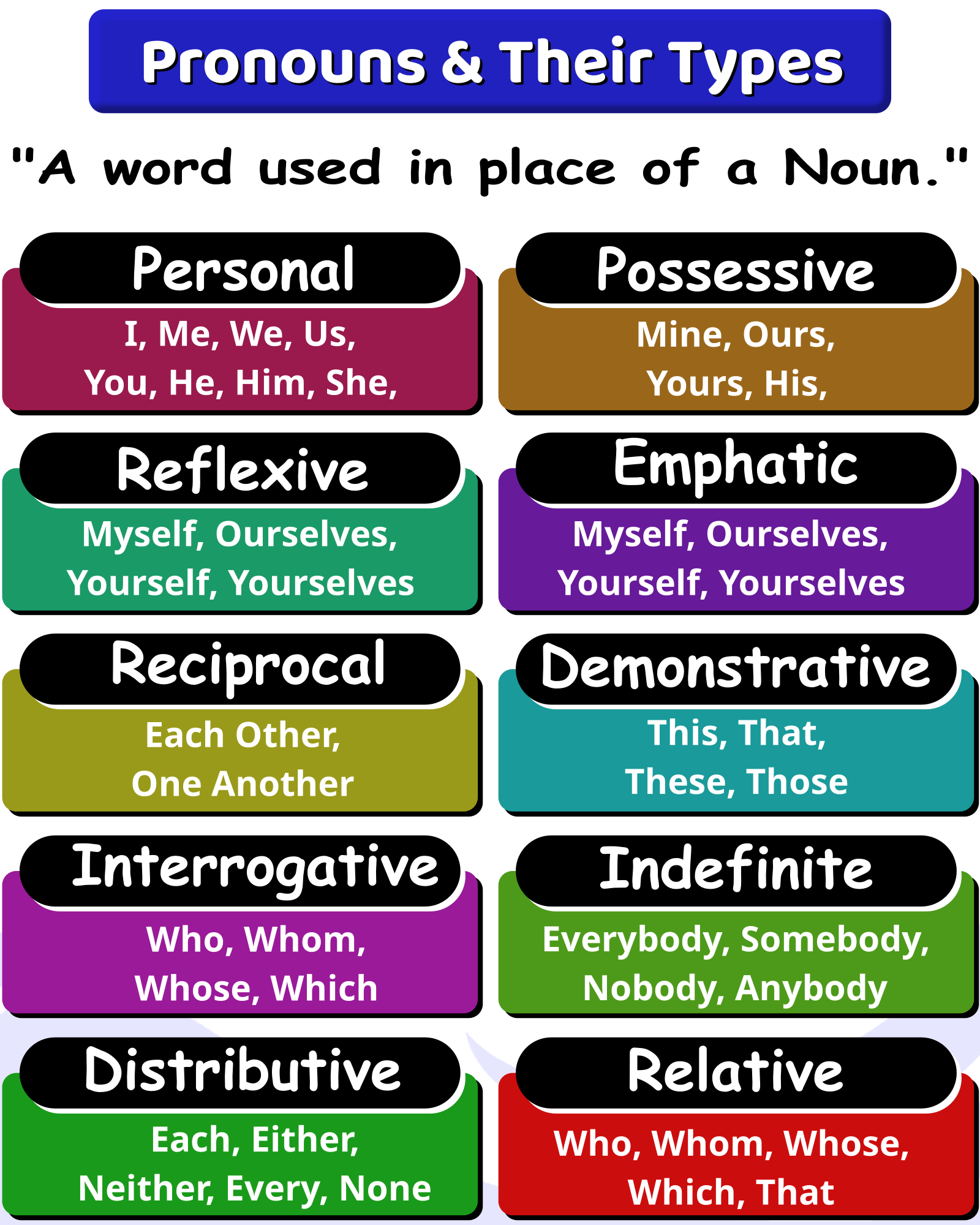
Crafting a Culture of Belonging
An inclusive brand voice is a competitive advantage. When a brand adopts inclusive pronouns in its internal communications, mission statements, and social media presence, it fosters a culture of belonging. This internal cohesion inevitably leaks into the external brand perception. Consumers are increasingly discerning, and they tend to gravitate toward companies that demonstrate cultural intelligence. By intentionally selecting pronouns that include rather than exclude, a brand positions itself as a forward-thinking leader in its respective niche.
Strategic Selection: Aligning Pronouns with Brand Voice
Every brand has a “voice”—a unique personality expressed through language. The selection of pronouns should never be accidental; it must be a deliberate choice that supports the overall brand strategy.
Consistency as a Brand Marker
If a luxury brand uses a formal, third-person tone in its marketing materials, it maintains an aura of exclusivity and untouchable prestige. If a tech-startup uses an informal, first-person plural tone, it emphasizes accessibility and rapid innovation. The danger arises when these patterns are inconsistent. A brand that jumps between “we,” “you,” and “it” without a clear strategy will leave the audience confused about the brand’s core identity. Establishing a style guide that defines how pronouns should be utilized ensures that the brand voice remains recognizable across all touchpoints, from landing pages to customer support emails.
The Psychology of Pronoun Placement
Placement matters just as much as the pronouns themselves. Starting a sentence with “We” can sound authoritative, while starting with “You” is inherently persuasive. When building a brand narrative, the sequence in which pronouns are introduced dictates the hierarchy of importance. For instance, a brand that consistently leads with “We” puts itself at the center of the narrative, while a brand that leads with “You” puts the solution to the customer’s problem at the center. Identifying which pronoun to place at the start of a manifesto or a promotional header is a sophisticated element of brand design that influences user behavior and conversion metrics.
Avoiding Common Pitfalls in Corporate Communication
While pronouns seem straightforward, they are often the source of ambiguity in corporate copy. Poor pronoun reference—where it is unclear to whom or what a pronoun is referring—can undermine the professionalism of a brand.
The Ambiguity of Antecedents
A common mistake in brand storytelling is the use of a pronoun without a clear antecedent. If a marketing email says, “They are revolutionizing the industry, and it is why customers love us,” the reader may be left wondering who “they” are. Is it the staff? The technology? The founders? Clarity is the hallmark of a premium brand. When writing high-stakes copy, ensure that every pronoun has a clear, singular noun it refers to. Ambiguity breeds distrust, and in the digital economy, a confused customer is a lost customer.
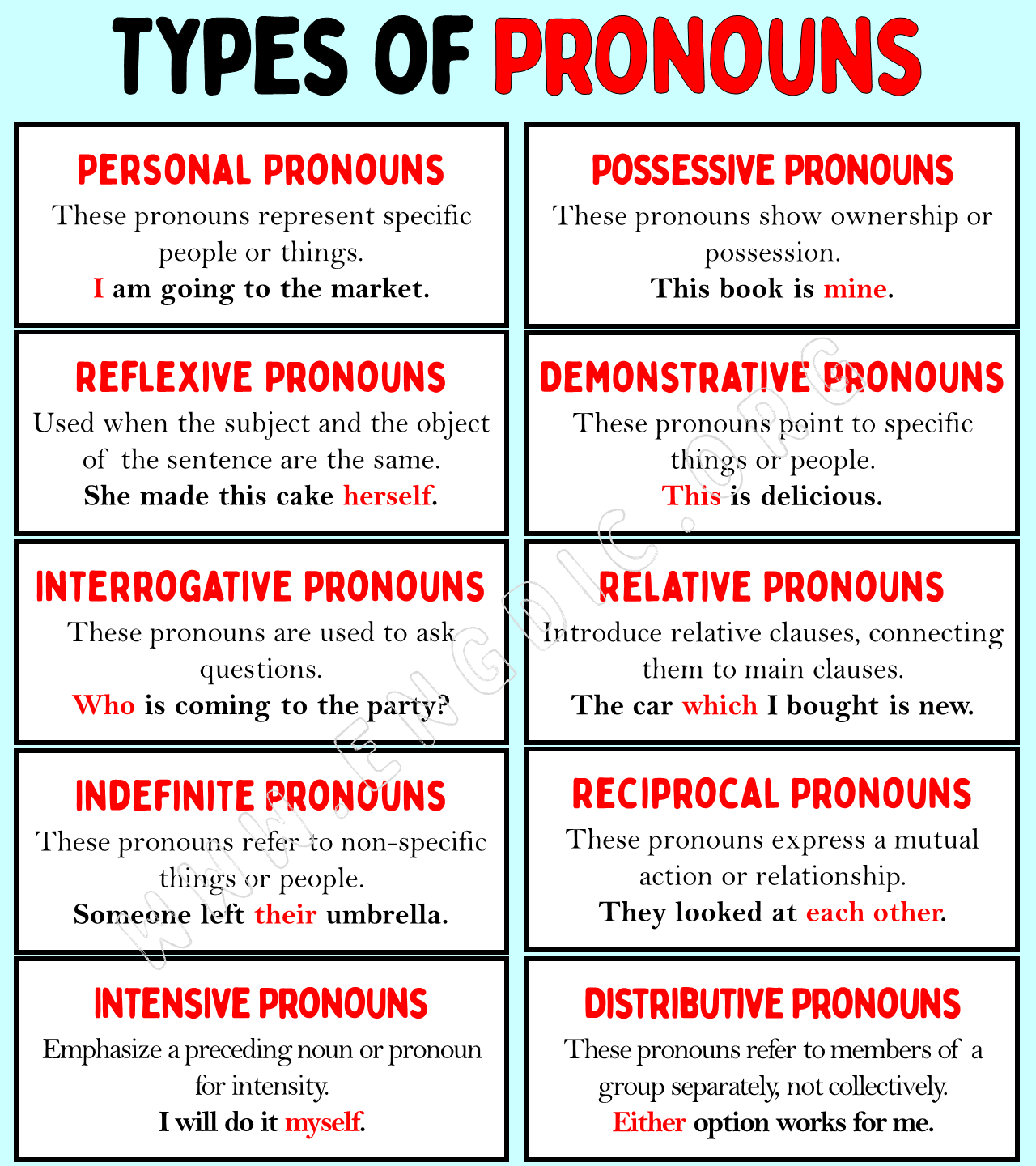
Maintaining Tonal Harmony
Your choice of pronouns must align with your brand’s personality. If you are building an authoritative, institutional brand, shifting suddenly to hyper-casual slang pronouns can feel jarring. Conversely, if you are a disruptive “challenger” brand, using overly formal or passive pronouns can make you sound like the very competitors you are trying to outmaneuver. The harmony between your brand’s identity and your grammatical choices is what creates an authentic experience for the consumer. When the language matches the brand personality, the communication becomes seamless, making it easier for the audience to connect with your message on a deeper level.
In conclusion, the types of pronouns—whether first, second, or third person, singular or plural—are foundational elements of brand strategy. By intentionally selecting pronouns that align with your corporate values and audience needs, you can transform your communication from a collection of sentences into a cohesive, persuasive, and inclusive brand voice. Mastery of these small words allows you to control the narrative, build deeper connections, and ensure that your brand identity remains clear, consistent, and compelling in an increasingly crowded marketplace.
aViewFromTheCave is a participant in the Amazon Services LLC Associates Program, an affiliate advertising program designed to provide a means for sites to earn advertising fees by advertising and linking to Amazon.com. Amazon, the Amazon logo, AmazonSupply, and the AmazonSupply logo are trademarks of Amazon.com, Inc. or its affiliates. As an Amazon Associate we earn affiliate commissions from qualifying purchases.