
The legacy of Pablo Picasso is often distilled into the simple label of “painter,” yet such a designation fails to capture the seismic shift he forced upon the world of visual culture. To understand Picasso is to understand the birth of modern personal branding. He was not merely a creator of static images; he was a master of reinvention, a disruptor of traditional aesthetic norms, and a pioneer of the “artist-as-brand” archetype that dictates modern marketing strategies today. By analyzing Picasso through the lens of brand strategy, we see that his evolution—from Blue Period melancholy to the fractured geometry of Cubism—was a series of calculated strategic pivots designed to capture market share in the minds of the global art elite.
The Architecture of Creative Disruption
Picasso’s ability to pivot his artistic style was akin to a modern technology company iterating on its core product. He understood that staying static meant obsolescence. When he entered the art market, he did not seek to compete with the Impressionists by playing by their rules; instead, he engaged in a complete market disruption.
Market Positioning through Stylistic Evolution
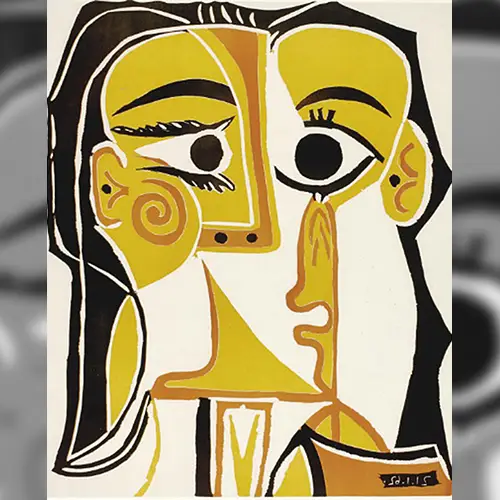
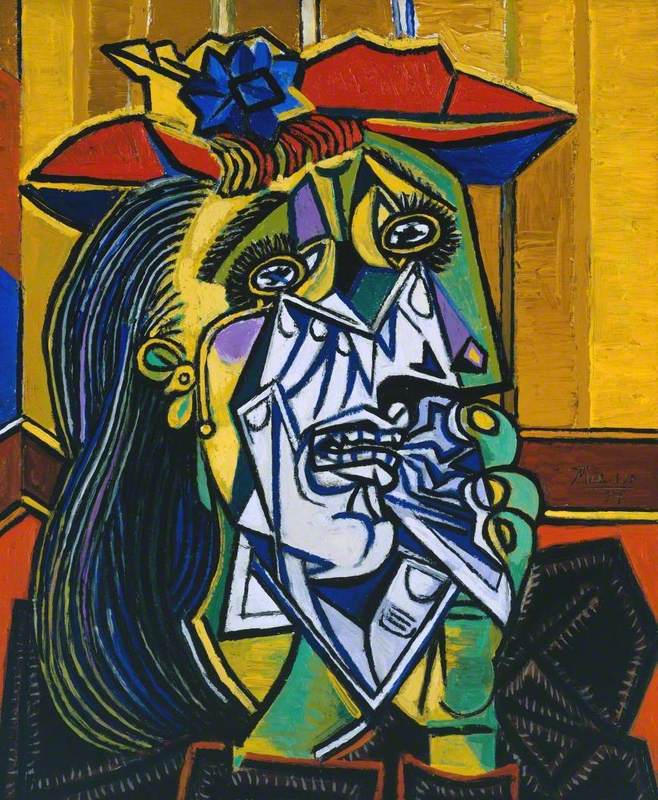
Picasso utilized his Blue and Rose periods to establish emotional equity with his audience. These phases were his “minimum viable product,” establishing his technical mastery and his ability to evoke profound human sentiment. However, once he reached saturation in these styles, he did not continue to churn out the same aesthetic. Instead, he disrupted his own portfolio. By moving into Cubism, he forced the art world to abandon representational fidelity in favor of a new, complex visual language. From a branding perspective, this was a masterclass in differentiation. He stopped being a “painter of scenes” and became the “architect of perspective.”
Redefining the Product Offering
In modern brand strategy, we often speak about product-market fit. Picasso’s product was his vision. By fracturing the object into geometric planes, he offered his collectors a new way to interact with reality. He wasn’t selling paintings; he was selling a proprietary perspective. This allowed him to maintain a high price point regardless of economic fluctuations, as he had established his work as a “must-have” asset for those who considered themselves part of the cultural vanguard. His ability to own the “Cubist” category meant that every subsequent evolution in that genre was measured against his brand, effectively creating a barrier to entry for his competitors.
Picasso as a Case Study in Personal Branding
Beyond the canvas, Picasso was the quintessential personal brand. In an era before social media, he managed his public persona with the precision of a modern CEO. He understood that the value of the art was inextricably linked to the mythos of the creator.
Cultivating the Founder Mythos
Every powerful brand needs a compelling origin story and a distinct voice. Picasso was acutely aware of his public image. He dressed with intent, controlled the narrative of his interviews, and curated his surroundings—most notably the various ateliers he inhabited—to reflect his internal creative state. He was a performance artist long before the term entered the mainstream. By crafting a persona that was mysterious, volatile, and deeply intellectual, he ensured that his brand remained evergreen. He was the “genius in the room,” and that reputation became a force multiplier for his sales and his influence.
Leveraging Scarcity and Exclusivity
Picasso’s mastery of brand positioning extended to how he managed supply. He understood the psychological triggers that drive collector behavior. By intermittently retreating from the public eye and then emerging with an entirely new style, he created a sense of urgency. When Picasso changed, the market moved. Collectors felt the need to acquire the latest “iteration” of his talent. This created a cycle of perpetual demand that is the envy of any contemporary luxury house. He turned his life into a series of collections, and his buyers became early adopters of each successive stage of his creative output.
The Strategic Expansion into Multi-Disciplinary Markets
One of the most defining characteristics of Picasso’s brand was his refusal to be siloed. He was not just a painter; he was a brand that transcended the medium. His expansion into sculpture, ceramics, theater set design, and even costume creation served a specific strategic purpose: diversifying the brand touchpoints.
Cross-Pollination of Creative Assets
By moving into ceramics and sculpture, Picasso ensured that his brand identity remained visible in different sectors of the luxury market. A collector who might not have wall space for a large-scale Cubist oil painting could still own a piece of the “Picasso brand” through his pottery. This strategy allowed him to capture different segments of the market simultaneously. He became a lifestyle brand. If you were a serious collector or a patron of the arts, Picasso was a fundamental component of your aesthetic ecosystem. This is a quintessential example of “brand architecture,” where the core brand identity remains consistent while the product line is extended to reach broader consumer demographics.
Intellectual Property and Collaborative Strategy
Picasso also understood the value of alliances. His interactions with other artists, such as Georges Braque, were essentially strategic partnerships. By co-developing the foundational principles of Cubism, he gave the movement weight and legitimacy. When two masters align, the perceived value of the movement triples. He did not operate in a vacuum; he cultivated a ecosystem of influencers—the poets, writers, and critics of the day—who functioned as his marketing department. By embedding himself within the Parisian intelligentsia, he ensured that his “brand” was the topic of conversation in every influential salon.
Sustaining Relevance in a Changing Landscape
The ultimate test of any brand is its longevity. Picasso’s career spanned decades of extreme political and social change. From the trauma of the World Wars to the rise of abstract expressionism, he remained relevant by constantly evolving his visual output without losing the core “Picasso DNA”—a raw, urgent, and deeply personal approach to human existence.
Adaptability as a Competitive Advantage
Many brands fail because they try to force an outdated product onto a new generation. Picasso avoided this by being his own most brutal critic. He recognized when a style was becoming commercialized or “stale” and moved to the next frontier before the market could demand it. This agility is the hallmark of any successful firm. He was never afraid to cannibalize his own success in order to innovate. This fearlessness became his signature. The market knew that if they invested in Picasso, they weren’t just buying art; they were buying a front-row seat to the future of visual thought.
The Legacy of the “Master Brand”
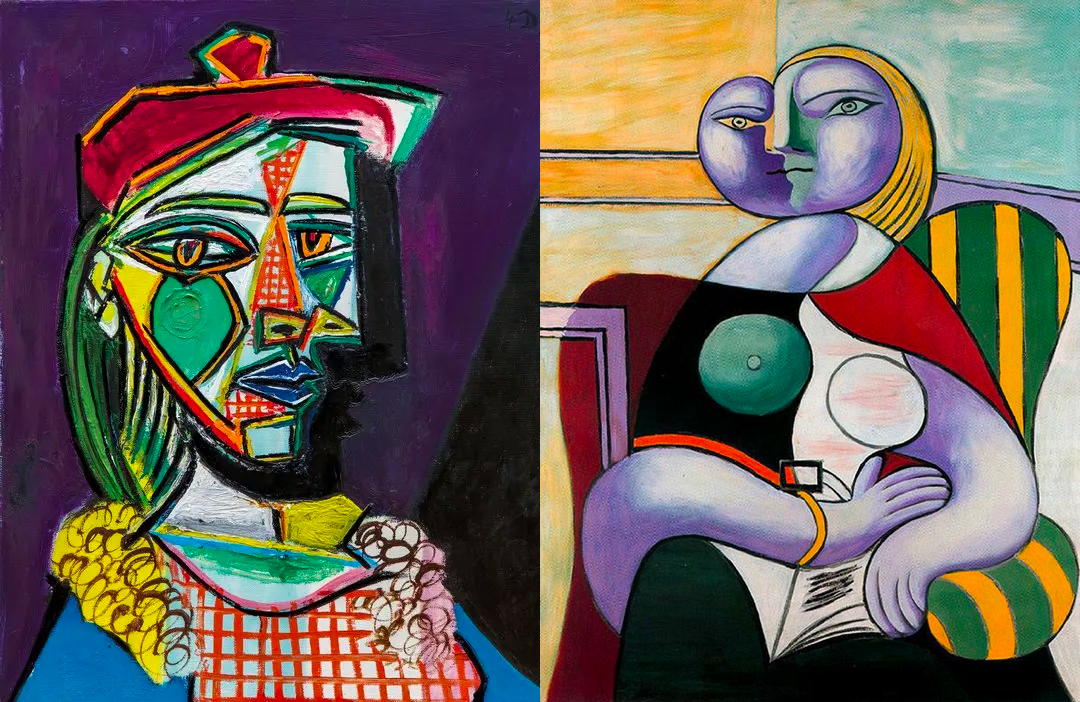
Today, the name Picasso is synonymous with modern art itself. He achieved the highest goal of any brand strategy: category ownership. When we think of “modern art,” his name is often the first to surface. He moved beyond being an artist to become an adjective—”Picasso-esque.” This is the pinnacle of brand strategy. He successfully converted his personal identity into a universal signifier of innovation, grit, and structural complexity. He demonstrated that the most effective way to be an artist is to be an entrepreneur of the self, constantly analyzing, iterating, and positioning one’s work for maximum impact within a shifting cultural marketplace. In the end, Picasso wasn’t just a painter; he was the primary architect of the 20th-century visual brand, a strategist whose legacy continues to define the rules of creative value and market perception.
aViewFromTheCave is a participant in the Amazon Services LLC Associates Program, an affiliate advertising program designed to provide a means for sites to earn advertising fees by advertising and linking to Amazon.com. Amazon, the Amazon logo, AmazonSupply, and the AmazonSupply logo are trademarks of Amazon.com, Inc. or its affiliates. As an Amazon Associate we earn affiliate commissions from qualifying purchases.