
In the competitive landscape of the modern food industry, chili crisp has transcended its origins as a regional Chinese condiment to become a full-scale culinary phenomenon. From a branding perspective, chili crisp represents the ultimate “hero product”—an item with high shelf appeal, viral social media potential, and the versatility to act as a bridge between traditional pantry staples and modern fusion experimentation. For brand strategists and food entrepreneurs, understanding how to pair this condiment is not just a lesson in flavor profiles, but a masterclass in product positioning and consumer engagement.
The Psychology of the “Flavor Multiplier” in Brand Positioning
To understand why chili crisp has achieved such rapid market penetration, one must analyze its role as a “flavor multiplier.” In branding terms, a product succeeds when it reduces friction for the consumer while elevating their existing habits. Chili crisp is the quintessential low-friction, high-reward upgrade. It doesn’t require the consumer to learn a new cooking technique; instead, it allows them to rebrand their standard, mundane meals into “gourmet” experiences with a single spoonful.
Elevating the Commodity Through Visual Identity
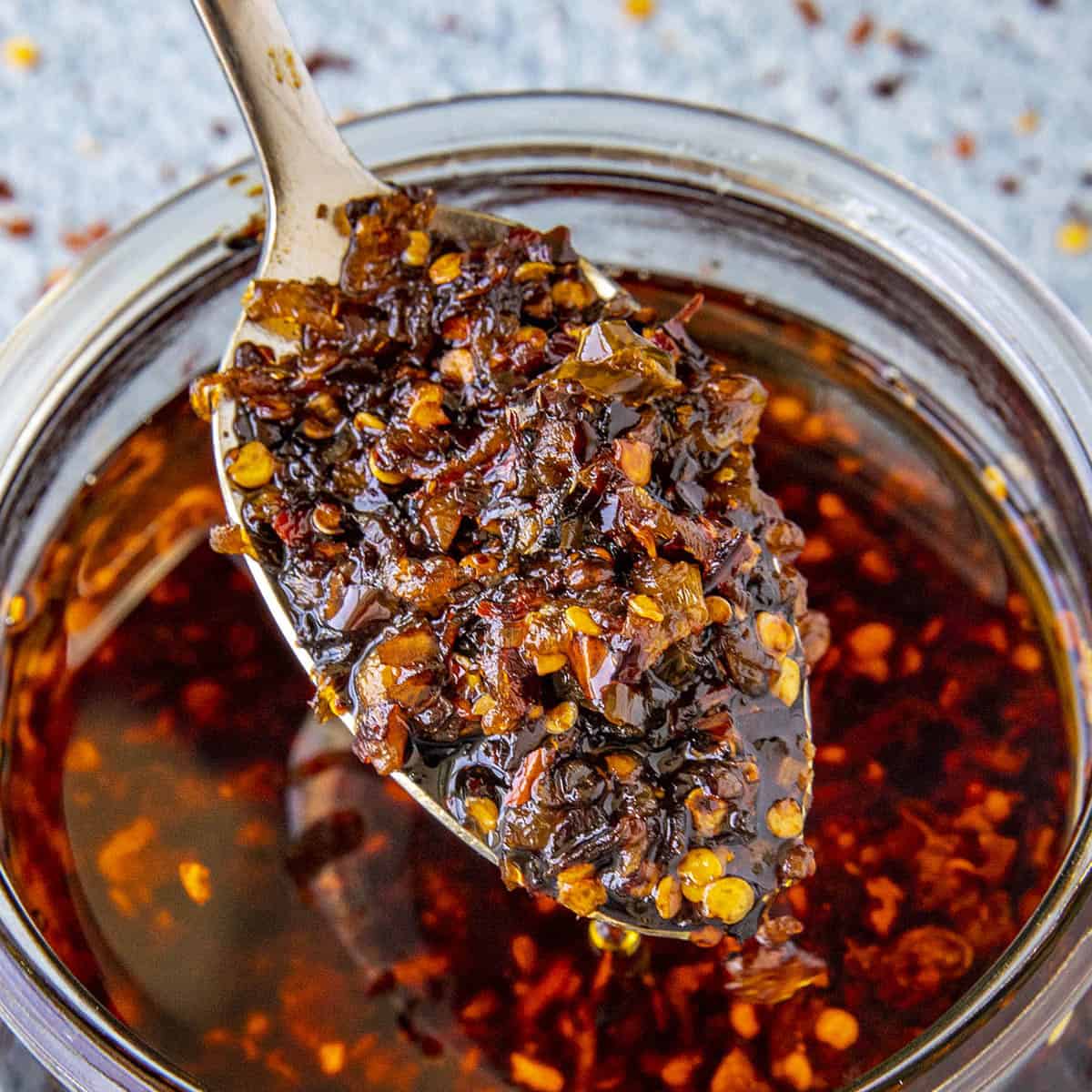
When choosing what to put chili crisp on, brands often focus on the visual contrast. The deep red oil, the suspended shards of garlic and shallot, and the textural crunch provide an aesthetic upgrade to otherwise monochrome foods. Marketing campaigns that leverage high-contrast photography—drizzling chili crisp over white rice, soft-boiled eggs, or creamy burrata—are successful because they communicate the product’s value proposition instantly. The brand identity of chili crisp is built on the promise of instant transformation.
Reducing Decision Fatigue for the Consumer
Strategic marketing often focuses on solving consumer pain points. The pain point here is “boredom.” By positioning chili crisp as a universal topping, brands are effectively telling the consumer that they don’t need a new recipe; they only need a new garnish. This is a powerful branding pivot that shifts the product from a niche ingredient to an essential lifestyle accessory.
Curating the Culinary Ecosystem: Where Chili Crisp Adds Value
When building a marketing strategy around a versatile product like chili crisp, it is essential to categorize the “pairing ecosystem.” By grouping potential uses into logical buckets, a brand can tailor its messaging to different consumer demographics, from the busy professional seeking a quick dinner hack to the culinary enthusiast experimenting with flavor profiles.
The Breakfast and Brunch Frontier
The “salty-savory-spicy” trifecta is the gold standard for breakfast innovation. Integrating chili crisp into breakfast marketing allows a brand to enter the consumer’s kitchen at the very beginning of the day.
- The Egg Transformation: Whether it’s scrambled, fried, or a soft-boiled jammy egg, the fat in the yolk emulsifies beautifully with the chili oil, creating a complex, creamy sauce.
- Avocado Toast 2.0: Moving beyond red pepper flakes, chili crisp adds texture. Brands that position their product as the “sophisticated evolution” of basic toast toppings tap into the premiumization of the breakfast category.
Modern Lunch and the “Desk-Lunch” Optimization
For the corporate consumer, lunch is often a utilitarian necessity. This is where chili crisp shines as a brand asset. Marketing the product as a “desk-side essential” that can turn a bland leftover salad or a cup of instant noodles into a restaurant-quality meal is a proven strategy for increasing repeat purchase rates. It transforms a sad lunch into a curated, personal ritual.

The Sweet and Savory Fusion
Perhaps the most bold branding move is the entry into the dessert space. Pairing chili crisp with vanilla bean ice cream or dark chocolate is the ultimate test of brand confidence. It signals to the consumer that the brand is experimental, innovative, and trend-forward. This association helps elevate the product from a condiment to an ingredient of culinary art.
Scaling Growth Through Collaborative Branding
The versatility of chili crisp offers unique opportunities for strategic partnerships. Because it pairs well with such a wide variety of food categories, a chili crisp brand is uniquely positioned to execute cross-brand collaborations that expand its market share and reinforce its status as a “must-have” kitchen staple.
Strategic Cross-Category Partnerships
A chili crisp brand can derive immense value by partnering with adjacent industry leaders. For example, a partnership with a high-end pasta brand or a craft butcher allows the chili crisp brand to borrow equity from established players. By creating co-branded recipes—such as “Chili Crisp Aglio e Olio” or “Chili Crisp Glazed Pork Belly”—the brand embeds itself into the consumer’s standard grocery list, moving from a discretionary purchase to a pantry essential.
Influencer Marketing and User-Generated Content
Because chili crisp is highly photogenic, it is tailor-made for an influencer-led marketing strategy. The most effective campaigns are those that don’t just sell the jar, but sell the lifestyle of the user. By encouraging consumers to share their own “What I put chili crisp on” videos, a brand effectively crowdsources its own marketing content. This social proof is invaluable. When a consumer sees a well-known food creator drizzling chili crisp over something unconventional, it validates the product as a tool for creative expression.
Sustaining Brand Relevance in a Saturated Market
As the market for chili crisp becomes increasingly crowded, longevity depends on more than just the quality of the product—it depends on the strength of the brand narrative. To maintain a competitive edge, brands must move beyond the product and focus on the “why.”
Cultivating Community Through Education
The most successful brands in this space go beyond telling consumers what to put the product on; they explain the nuances of the pairing. They educate their audience on how the texture of the crisp interacts with the acidity of a vinaigrette or how the heat profile complements the sweetness of roasted vegetables. This shift from “salesperson” to “educator” builds deep brand loyalty.
Leveraging Scarcity and Exclusivity
To prevent the product from becoming a commodity, brands can leverage limited-edition batches—perhaps collaborating with local chefs to create regional-specific flavor profiles. This maintains brand excitement and encourages existing customers to continue their journey with the brand, rather than switching to a cheaper, generic competitor.
The Future of the “Pantry Essential”
Ultimately, the goal for any brand in the chili crisp space is to become a “pantry essential.” This status is achieved when the consumer no longer thinks, “What should I put this on?” but rather, “What should I make so that I can add chili crisp to it?” When a product reaches this level of integration into the consumer’s culinary habits, it has achieved the pinnacle of brand success. It is no longer just a condiment; it is a fundamental component of the home cooking experience. By focusing on high-quality ingredients, visual storytelling, and strategic partnerships, brands can ensure their place in the modern pantry for years to come.
aViewFromTheCave is a participant in the Amazon Services LLC Associates Program, an affiliate advertising program designed to provide a means for sites to earn advertising fees by advertising and linking to Amazon.com. Amazon, the Amazon logo, AmazonSupply, and the AmazonSupply logo are trademarks of Amazon.com, Inc. or its affiliates. As an Amazon Associate we earn affiliate commissions from qualifying purchases.