
Gift-giving for teachers is a common ritual that often falls into the trap of impulsive spending. While the intention is gratitude, the financial reality of buying gifts for multiple educators—across primary, secondary, and extracurricular activities—can quickly derail a household budget. From a personal finance perspective, the goal is to balance the expression of appreciation with fiscal responsibility, ensuring that your generosity does not come at the expense of your own financial health.
Establishing a Sustainable Gift-Giving Budget
Before selecting a single item, you must treat your teacher-gift fund as a line item in your monthly budget. Without a defined ceiling, the costs associated with “small tokens of appreciation” can snowball into a significant annual expense.
The Mathematics of Appreciation
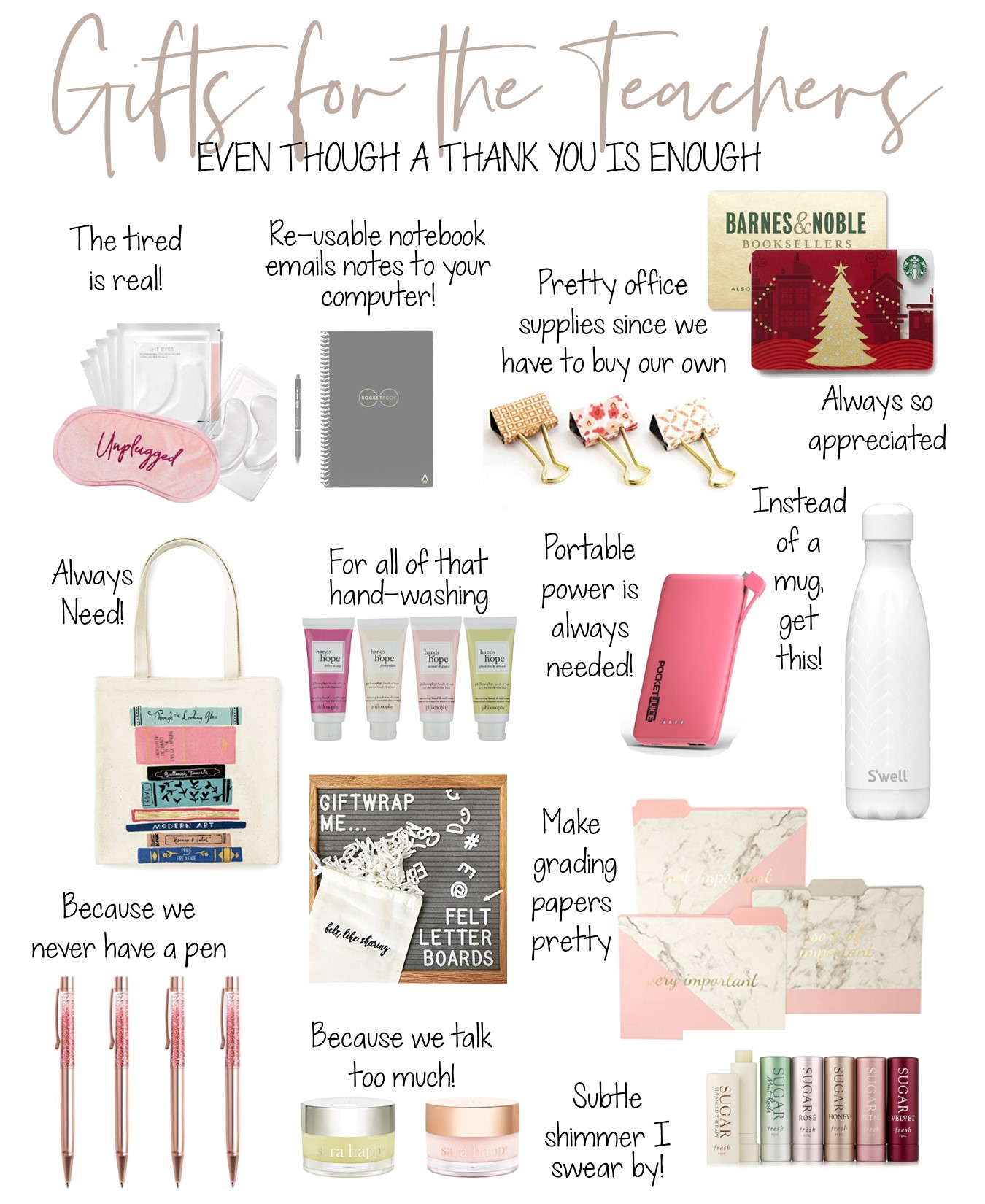
Start by identifying every teacher, aide, coach, and administrator you intend to gift. Once you have a comprehensive list, assign a maximum dollar amount per person. If the total exceeds your discretionary spending capacity for the month, you must either decrease the individual budget or prioritize recipients.
Many families fall into the trap of “gift inflation,” where they feel compelled to match or exceed the gifts they perceive other parents are giving. This is a behavioral finance pitfall. True appreciation is not measured in the retail value of the gift. By setting a hard limit—for example, $15 or $20 per teacher—you force yourself to be more creative rather than simply spending more money.
Opportunity Costs and Trade-offs
Consider the opportunity cost of your gift spending. If you are struggling to pay down high-interest debt or are falling behind on retirement contributions, the $200 you spend on teacher gifts annually is an investment that could be better directed toward your long-term financial security. If you find that gift-giving is causing financial strain, consider shifting toward high-effort, low-cost alternatives, such as hand-written letters of appreciation. In the financial ledger of a teacher’s career, a thoughtful note often holds more long-term value than a generic mug.
Maximizing Value Through Group Gifting
One of the most effective strategies for maintaining a budget while still providing a meaningful gift is to pool resources with other parents. This strategy leverages the power of collective purchasing to provide a more substantial gift without increasing your individual expenditure.
The Logistics of Collective Purchasing
Group gifting is a standard practice in many school districts and offers several financial benefits. First, it eliminates the need for individual families to go out and purchase multiple small, potentially unwanted items. Second, it allows the collective group to purchase something of higher utility, such as a gift card to a local store or a contribution toward a larger classroom need.
To execute this effectively, use digital payment platforms to track contributions transparently. Avoid the “debt” trap where one parent covers the cost expecting to be reimbursed later, as this often leads to social friction. Use apps designed for pooled funds to ensure that the budget remains strictly controlled and that no single parent is forced to subsidize the gift.
Choosing High-Utility Gifts
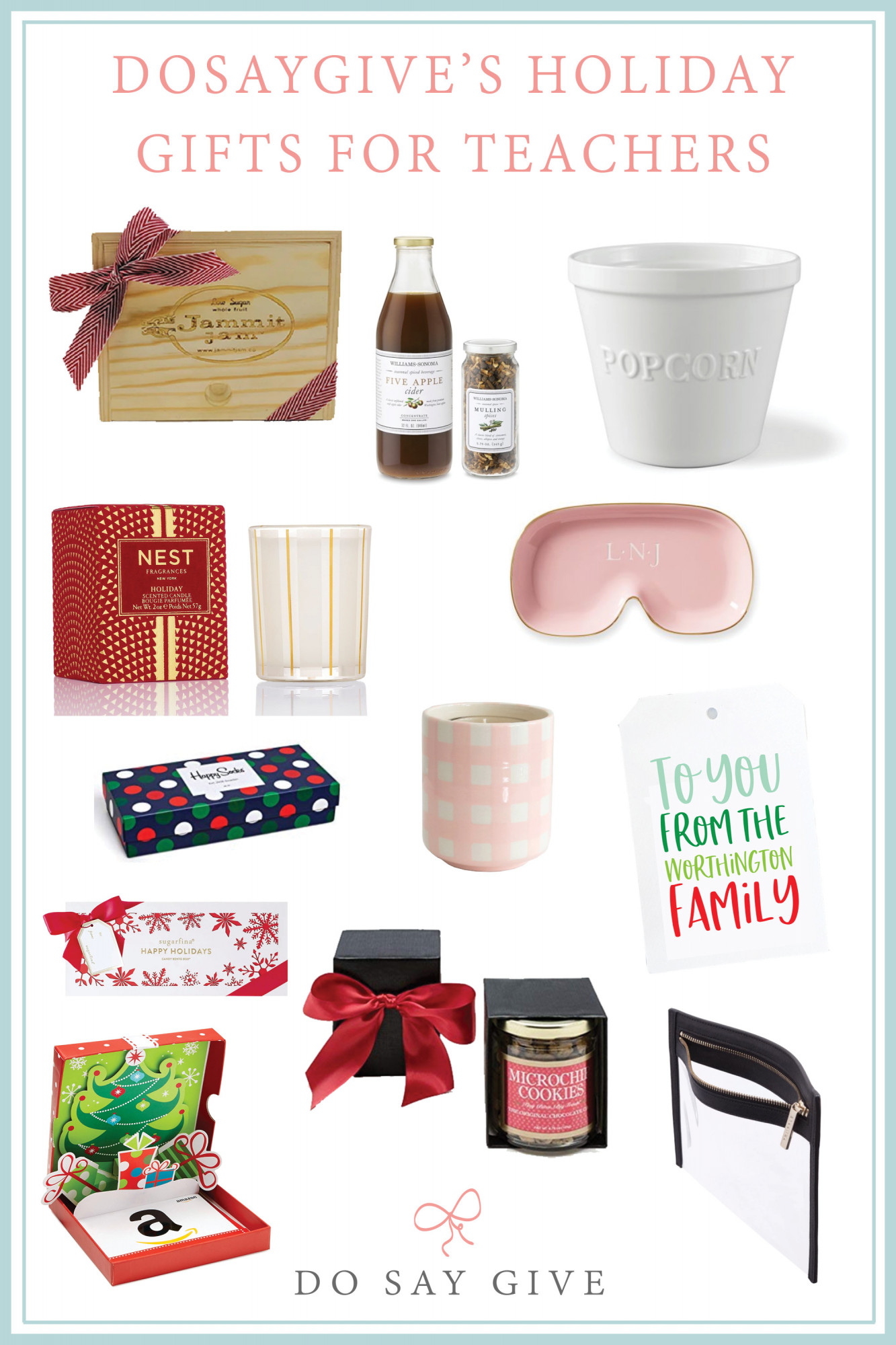
When gifting as a group, focus on high-utility items that offer the recipient the most flexibility. Gift cards, while sometimes viewed as impersonal, are statistically the most appreciated gift by educators because they act as liquid currency. A $50 gift card to a major retailer or an online bookstore is functionally superior to a $50 physical item that the teacher may not need or want. By focusing on utility, you ensure that your financial contribution provides genuine value rather than clutter.
The Economic Efficiency of Consumables and Experiences
From a financial planning standpoint, physical items that require storage—often referred to as “clutter assets”—have a negative value because they occupy space and eventually become waste. When selecting gifts, prioritize consumables or experiences that provide a finite, positive impact without leaving a long-term burden on the recipient.
The Advantage of Consumables
Consumable gifts, such as gourmet coffee, high-quality chocolates, or artisanal tea, are excellent choices because they are enjoyed and then disposed of. They do not require the teacher to find shelf space in their home or classroom. When purchasing these items, look for bulk deals or sales that allow you to buy in volume, effectively lowering your cost-per-unit.
Gifting Experiences
Experiences, such as tickets to a local museum, a cinema, or a workshop, are often highly valued. These gifts offer the recipient an opportunity for leisure without a direct financial outlay on their part. If your budget permits, consider gifting a “day out” voucher. If you are operating on a tighter budget, look for discounted tickets or community-sponsored events. The key here is to ensure the gift is usable and fits within the teacher’s likely schedule.
Avoiding Financial Pitfalls and “Gift Guilt”
The social pressure to provide extravagant gifts is a byproduct of modern social media and the “highlight reel” culture of parenting. It is essential to decouple your sense of guilt from your financial decisions.
The Fallacy of the “Perfect” Gift
Many parents overspend because they believe that a more expensive gift is a better proxy for their child’s success or their own status. This is a destructive financial mindset. Teachers are professionals who value the success and growth of their students far more than the retail cost of a thank-you gift. If you find yourself shopping out of obligation rather than genuine desire, you are likely spending money you shouldn’t be.
Recognizing Non-Monetary Gifts
Never underestimate the impact of a well-crafted letter to the school administration. A formal letter of commendation to a principal or a school board regarding a teacher’s performance has immense professional value. It can impact a teacher’s career trajectory, performance reviews, and future opportunities. From an investment perspective, this is a “high-yield” asset that costs you only your time. It is infinitely more valuable than a trinket bought in a rush at a department store.

Strategic Planning for Next Year
If you find that this year’s gifting was stressful or expensive, use this experience to plan for next year. Create a “Gift Sinking Fund” in your budget. By setting aside a small amount each month—for instance, $10 or $20—throughout the year, you will have a fully funded account by the time the holidays or end-of-year gift cycles arrive. This transforms a sporadic, stressful expense into a planned, manageable financial activity.
Ultimately, the goal of giving a gift is to express gratitude. By approaching this through a lens of financial strategy—prioritizing utility, leveraging group funds, avoiding unnecessary physical clutter, and recognizing the value of non-monetary commendations—you can be a thoughtful participant in your school community without compromising your family’s long-term financial security. Professional, intentional gift-giving is not about how much you spend; it is about how well you manage your resources to convey a message of genuine, lasting appreciation.
aViewFromTheCave is a participant in the Amazon Services LLC Associates Program, an affiliate advertising program designed to provide a means for sites to earn advertising fees by advertising and linking to Amazon.com. Amazon, the Amazon logo, AmazonSupply, and the AmazonSupply logo are trademarks of Amazon.com, Inc. or its affiliates. As an Amazon Associate we earn affiliate commissions from qualifying purchases.