
For the modern household manager, the humble pound of ground beef represents a fundamental unit of culinary capital. In an era where grocery prices fluctuate and the cost of protein remains a significant portion of the weekly food budget, viewing a single pound of meat through the lens of resource management is essential. When you treat this ingredient as a financial asset rather than just a dinner component, you unlock a strategy for meal optimization that maximizes both caloric density and budgetary efficiency.
The Economics of Batch Processing and Portion Control
The primary rule of efficient kitchen management is the reduction of unit cost through strategic processing. When you purchase one pound of ground beef, your goal is to extend its utility beyond a single meal. This is where the concept of “yield optimization” comes into play. By treating this pound not as a single serving for a family, but as a base component for multiple high-value meals, you effectively lower your cost per serving.
Volumetric Expansion Techniques
To get the most out of your pound of ground beef, you must master the art of bulking. Adding nutrient-dense, low-cost fillers like lentils, finely chopped mushrooms, or riced cauliflower does not merely increase the quantity of the dish; it improves the nutritional profile and ensures that the meat serves as the primary flavor profile rather than the sole substance. This is a classic brand-extension strategy applied to a physical product. By increasing the volume by 30 to 50 percent through these additives, you ensure that a single pound can support four to six full meals instead of two.
The Thermal Processing Advantage
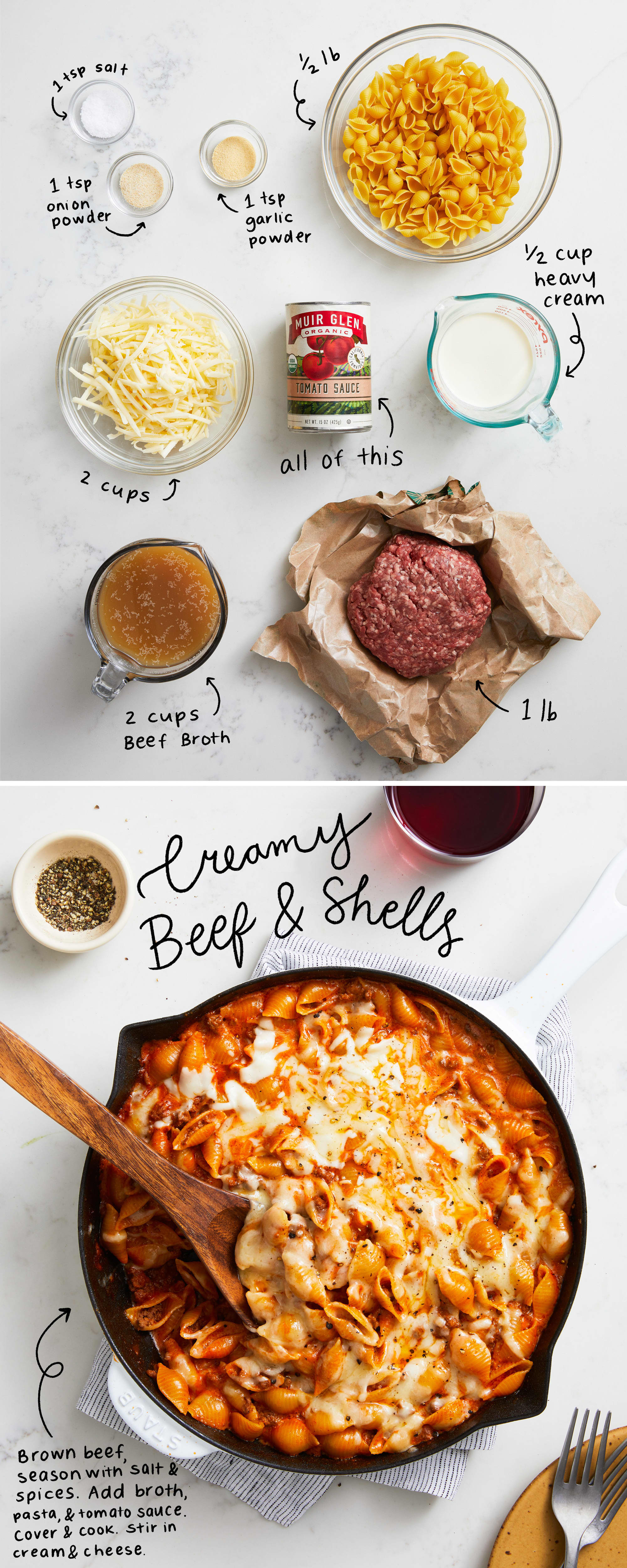
Cooking the entire pound at once—a process known as batch-prepping—is the most efficient use of your energy and time. Whether you choose to brown it with aromatics (onions, garlic, and herbs) or prepare it as a seasoned base for various flavor profiles, processing the meat in one session reduces the marginal cost of labor. Once browned, the beef becomes a “semi-finished” commodity that can be deployed into various final products throughout the week, such as quick tacos, shepherd’s pie, or pasta sauces, drastically reducing the “time-to-table” metric during busy weekdays.
Leveraging Asset Allocation: The “One-Pound Pivot”
Strategic meal planning requires that you understand how a single input can be leveraged into multiple outputs. If you view your pound of ground beef as a diversified investment portfolio, you can allocate portions of it to different categories of dishes.
Horizontal Integration: From Tacos to Bolognese
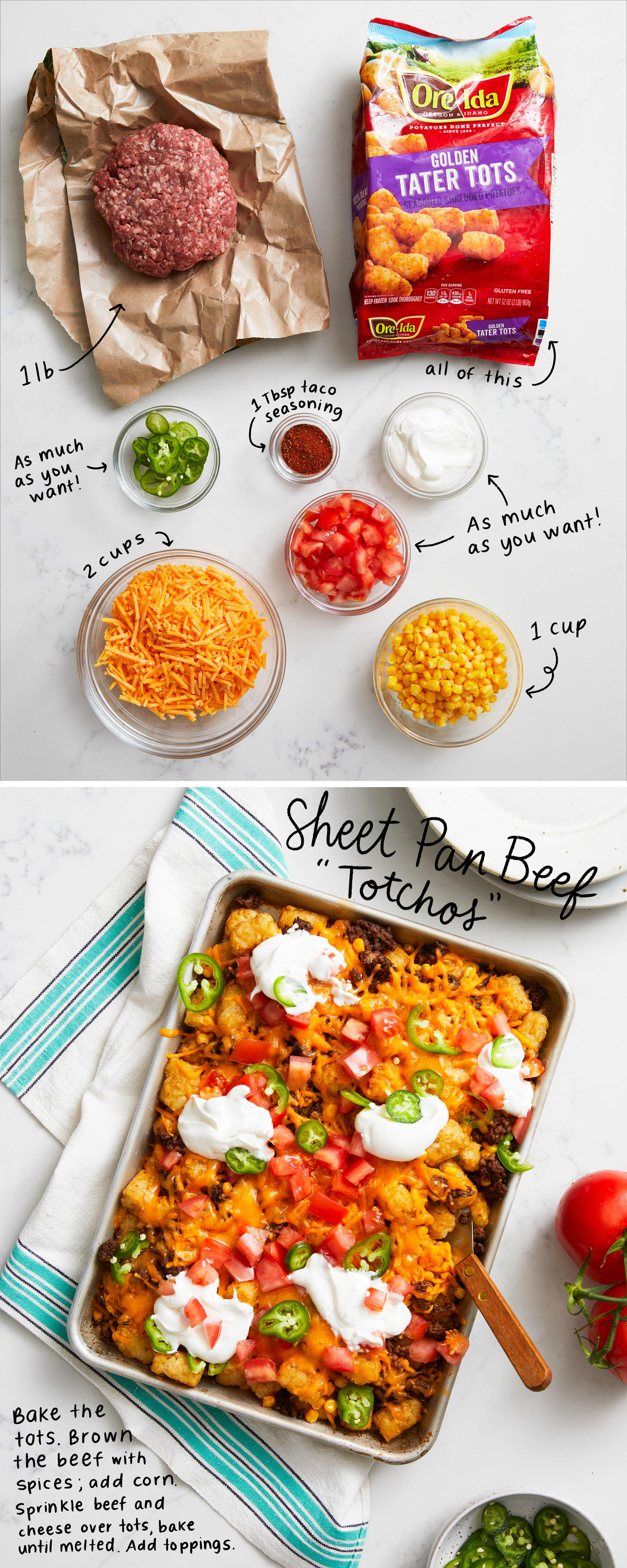
The key to high-level kitchen operations is the “pivot.” If you season half of your pound with cumin, chili powder, and smoked paprika, you have locked in a taco-ready asset. If you season the other half with oregano, basil, and a touch of nutmeg, you have established a Mediterranean-style base. This allows you to serve entirely different dinner profiles within a 48-hour window while only incurring the procurement cost of a single pound of meat.
The Storage-to-Usage Cycle
Efficient management requires a reliable storage protocol. Vacuum sealing or utilizing high-quality airtight containers preserves the “value” of your cooked ground beef for up to four days in the refrigerator or three months in the freezer. By documenting your inventory—placing a simple dated label on your containers—you avoid the “hidden cost” of spoilage. When you treat your freezer as a pantry of liquid assets, you can pull a portion of seasoned, cooked beef at any time, effectively eliminating the need for expensive, last-minute convenience foods.
Financial Optimization Through Ingredient Pairing
The most successful kitchen operators know that the cost of a meal is dictated by its secondary ingredients. When you have successfully acquired your pound of ground beef at a competitive price point, the remaining costs are driven by how you pair that asset with other commodities.
Pairing with Low-Cost Carbohydrates
To maintain your budget, pair your ground beef with high-value, low-cost shelf-stable items. Pasta, rice, potatoes, and beans serve as the “infrastructure” for your meal. A pound of beef used as a flavor enhancer for a bean-heavy chili or a pasta-heavy meat sauce ensures that you are spending your “meat budget” only where it provides the highest return on flavor. This is effectively a hedging strategy: you balance the high cost of the protein against the low cost of the carbohydrates to stabilize your total meal expenditure.
Seasonal Procurement and Bulk Buying
The total cost of your ground beef strategy is also tied to your acquisition tactics. By tracking price trends, you can time your purchases during peak sales periods. Buying in bulk—purchasing three or four pounds when the price is at a cyclical low—and then portioning that pound into single-serving increments is the ultimate act of kitchen financial planning. By breaking the bulk purchase into individual, freezer-ready units, you hedge against future price inflation and ensure that you always have inventory on hand to prevent impulsive, high-cost dining out decisions.
Optimizing the Kitchen Workflow for Long-Term Sustainability
The longevity of your home-cooking strategy depends on your ability to maintain a consistent output without experiencing “chef fatigue.” Managing a single pound of ground beef is an exercise in repeatable processes.
Establishing Standard Operating Procedures (SOPs)
Create a routine for your Sunday or Monday kitchen session. When the process of browning, seasoning, and storing your ground beef becomes a standardized SOP, it ceases to be a chore and becomes an automated part of your weekly workflow. This consistency is what separates occasional home cooks from those who maintain a tight, efficient, and cost-effective household operation.
Tracking Performance and Iteration
Every successful business reviews its quarterly performance; you should do the same with your food budget. Keep a mental or digital log of which recipes yield the most satisfaction and the least waste. If your household consistently enjoys the “taco-pivot” but leaves the “meat-sauce-pivot” unfinished, iterate on your strategy. Adjust your flavor profiles to match the preferences of your household members to ensure that 100% of the purchased asset is consumed. This eliminates waste, which is the single most common “leak” in household financial management.
The Value of Knowledge as Capital
Ultimately, the ability to take a single pound of ground beef and turn it into a variety of high-quality meals is a skill that compounds over time. The more you practice these techniques—volumetric expansion, thermal batch processing, and strategic pairing—the more resilient your grocery budget becomes. You are no longer reacting to the price of meat at the supermarket; you are controlling how that meat functions within your system. This proactive approach to resource management is the foundation of a sophisticated and sustainable household economy.
By implementing these strategies, you ensure that every dollar spent on that pound of ground beef is fully realized in the form of nutrition, flavor, and long-term savings. The goal is to maximize the utility of every gram, reducing overhead, minimizing waste, and maintaining a high standard of quality that supports your lifestyle and your financial objectives simultaneously. In the theater of the home kitchen, you are both the investor and the operator; treat your ingredients with the strategy they deserve, and the results will be both satisfying and fiscally sound.
aViewFromTheCave is a participant in the Amazon Services LLC Associates Program, an affiliate advertising program designed to provide a means for sites to earn advertising fees by advertising and linking to Amazon.com. Amazon, the Amazon logo, AmazonSupply, and the AmazonSupply logo are trademarks of Amazon.com, Inc. or its affiliates. As an Amazon Associate we earn affiliate commissions from qualifying purchases.