
Shopping at a warehouse club like Sam’s Club is often framed as a chore, but when viewed through the lens of personal finance, it is a strategic maneuver. In the landscape of household economics, where inflation frequently erodes purchasing power, the bulk-buying model is one of the most effective tools for wealth preservation. By shifting from a “just-in-time” retail mentality to a “just-in-case” inventory strategy, you can significantly lower your cost per unit, effectively giving yourself a raise by reducing your non-discretionary spending.
However, the efficacy of a warehouse membership depends entirely on what lands in your cart. Buying in bulk is only a financial win if the items are high-turnover essentials that you would have purchased anyway. If you are buying items that expire before they can be consumed or purchasing luxury goods you don’t strictly need, you are not saving money; you are merely increasing your storage costs and locking up your cash flow. To maximize the return on your annual membership fee, you must approach the aisles with the rigor of a procurement officer.
The Staples Strategy: Leveraging Economies of Scale
The primary benefit of a Sam’s Club membership is the ability to achieve a lower “cost per ounce” or “cost per unit” on everyday essentials. This is where the bulk model shines. When you buy a year’s supply of paper products or a massive volume of pantry staples, you are insulating yourself from short-term price volatility.
Dry Goods and Pantry Essentials
Focus your budget on non-perishables that have a long shelf life. Items like organic quinoa, basmati rice, pasta, and canned legumes are fundamental to a low-cost, high-nutrition diet. When purchasing these at a warehouse club, you are often paying 30% to 50% less than you would at a standard grocery store. The key here is to maintain a “buffer stock.” By keeping a significant supply of these items in your pantry, you avoid the “convenience tax”—the tendency to purchase overpriced items at smaller, local retailers because you ran out of something mid-week.
Household Consumables
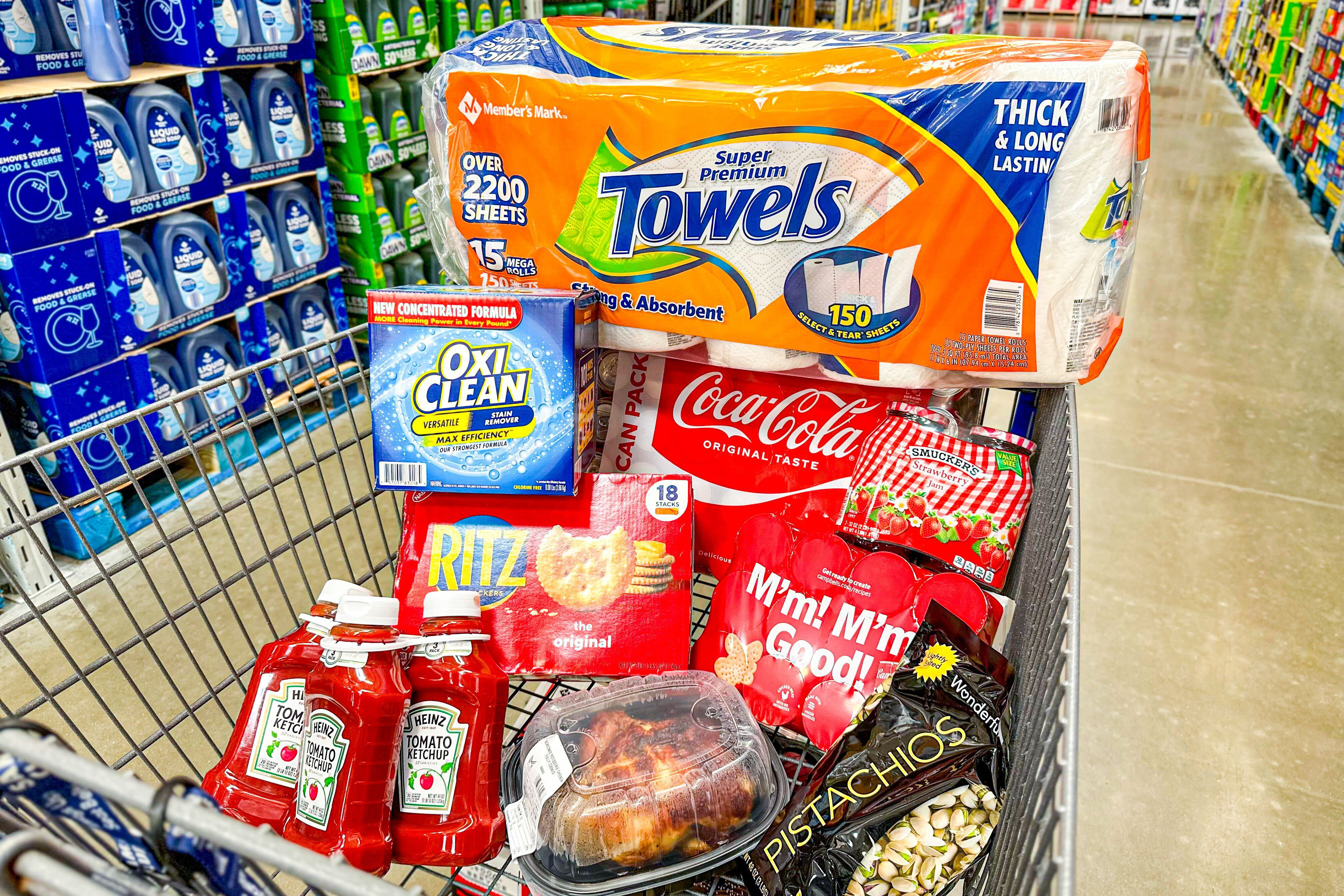
Toilet paper, paper towels, and laundry detergent are the “blue-chip stocks” of your household inventory. They will never lose their utility, and they will never go out of style. Buying these in massive quantities minimizes the frequency of your shopping trips. Time, after all, is a financial asset. By reducing the number of shopping trips you make per year, you save on transportation costs and, perhaps more importantly, you reduce your exposure to impulse buys—the primary enemy of a balanced personal budget.
High-Value Perishables and the Optimization of Fresh Food
Many consumers mistakenly believe that warehouse clubs are only for shelf-stable items. However, savvy shoppers know that fresh food departments, when navigated correctly, offer significant financial advantages. The goal is to maximize the utilization rate of the food you buy.
Mastering the Meat and Protein Aisle
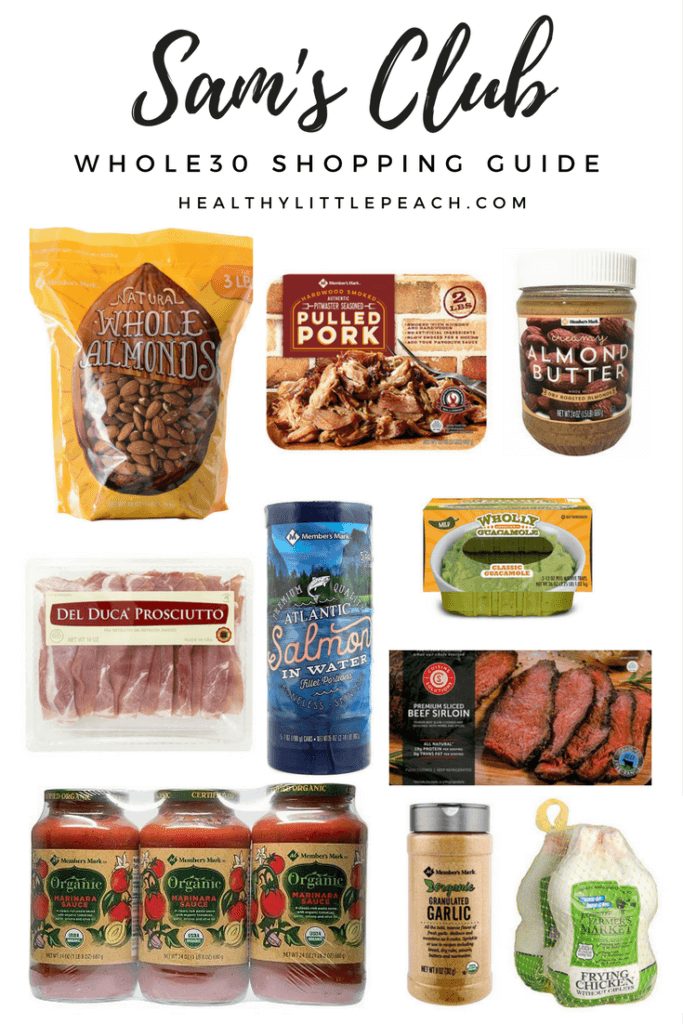
The meat department is perhaps the strongest case for a Sam’s Club membership. Buying high-quality proteins in bulk, such as whole tenderloins, family-pack chicken breasts, or large cuts of beef, allows you to portion and freeze your own meals. If you are willing to spend thirty minutes on a Sunday afternoon trimming and vacuum-sealing your proteins, you can drive your cost per meal down by a substantial margin. This is essentially “sweat equity” applied to your grocery bill—you are investing your time to increase the financial efficiency of your household.
Frozen Produce vs. Fresh
While fresh produce is essential, it is also the category where most household budgets bleed money due to spoilage. If you cannot consume a massive bag of spinach or a carton of strawberries before they turn, you are effectively throwing cash into the trash. The financial pivot here is to utilize the frozen section. Frozen berries, broccoli, and mixed vegetables offer identical nutritional profiles to their fresh counterparts at a fraction of the cost, with the added benefit of indefinite shelf life. By stocking up on frozen produce, you eliminate the risk of food waste, which is one of the most silent yet devastating killers of a healthy personal finance plan.
Strategic Spending on Private Labels and Bulk Services
A major component of successful financial management is brand agnosticism. When you walk into a warehouse club, you must be prepared to look past the marquee brands and investigate the store-brand alternatives.
The Member’s Mark Advantage
Sam’s Club’s private label, Member’s Mark, is engineered to compete with premium brand-name counterparts. In many cases, these products are manufactured in the same facilities as the name brands, meaning the quality is often indistinguishable. When you choose a Member’s Mark product over a national brand, you are capturing the “marketing premium” for yourself. That premium—the 20% to 30% extra you would have paid for a catchy logo or a television ad campaign—stays in your pocket. Over the course of a year, this small, consistent habit yields significant compounding results.
Beyond Groceries: Ancillary Financial Services
The value of a membership extends beyond the physical aisles. Sam’s Club often provides access to heavily discounted services, such as optical centers, pharmacies, and even tire centers. When evaluating whether the membership “pays for itself,” you must factor in the cost savings of these services compared to the commercial market. If you need new tires or prescription glasses, the savings from a single visit to these departments can often exceed the entire cost of your annual membership fee. This is a classic example of leveraging an existing asset—your membership—to reduce the overhead of necessary life expenses.
Discipline as a Fiscal Tool
The warehouse club environment is designed to trigger impulse purchases. The layout is optimized to make you walk past expensive electronics, seasonal decor, and high-margin luxury goods. To succeed financially, you must treat your shopping list as a binding legal document.
The “Cost per Use” Evaluation
Before adding an item to your cart—especially a non-consumable—calculate the cost per use. A high-quality set of kitchen tools might seem expensive on the shelf, but if it replaces a series of lower-quality items that break every two years, it is a sound investment. Conversely, purchasing a massive television or a high-end gadget simply because it is on a pallet in the center aisle is a trap. If you were not planning to buy it before you walked through the door, you are not saving money; you are spending it.
Avoid the “Bulk Trap”
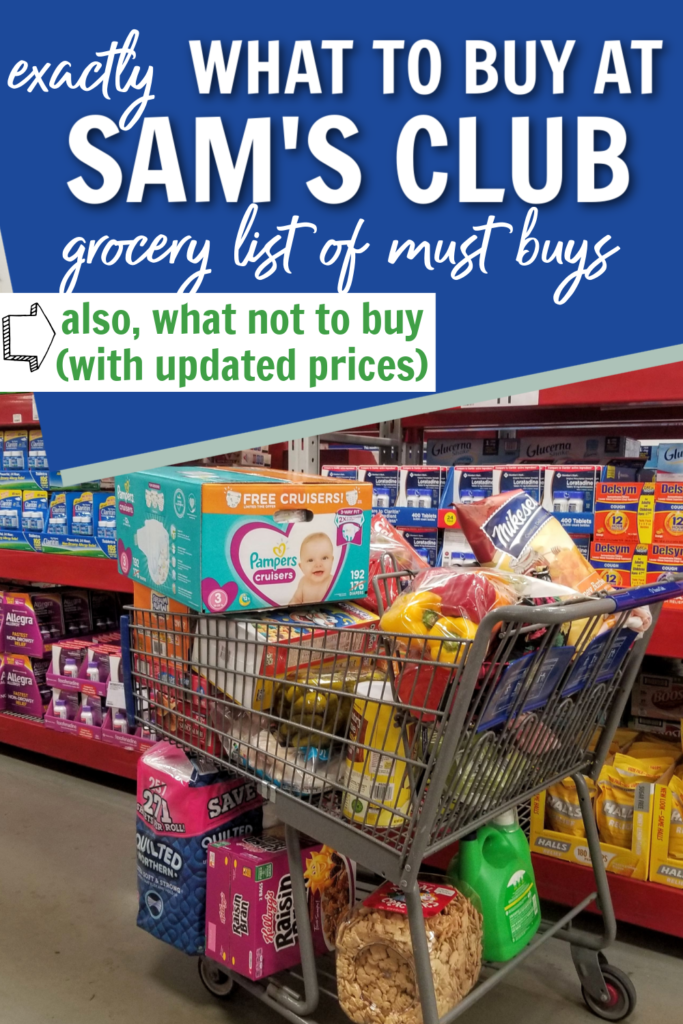
The trap of the warehouse club is the illusion that bigger is always better. Always compare unit prices. Sometimes, a “bulk pack” at a warehouse club is actually priced higher per ounce than a sale item at your local supermarket. Furthermore, avoid buying perishable bulk items unless you have a dedicated plan for their consumption. If you buy a massive tub of yogurt because the price looks low, but you end up eating only half of it before it expires, your actual cost per ounce doubled. A low price is only a bargain if it leads to a lower total expenditure at the end of the month.
By applying these principles—prioritizing non-perishable essentials, optimizing protein processing, favoring private labels, and maintaining rigorous self-discipline—you transform Sam’s Club from a mere retail destination into a financial management tool. In the pursuit of personal wealth, the small, boring, repetitive choices are the ones that move the needle. When you master your grocery spending, you take control of one of the largest variables in your household budget, providing you with more capital to allocate toward savings, debt reduction, or wealth-building investments.
aViewFromTheCave is a participant in the Amazon Services LLC Associates Program, an affiliate advertising program designed to provide a means for sites to earn advertising fees by advertising and linking to Amazon.com. Amazon, the Amazon logo, AmazonSupply, and the AmazonSupply logo are trademarks of Amazon.com, Inc. or its affiliates. As an Amazon Associate we earn affiliate commissions from qualifying purchases.