
For logistics managers, independent owner-operators, and fleet directors, the operational costs associated with weigh stations extend far beyond simple maintenance. They represent a significant variable in the financial performance of a trucking business. Understanding the nuance of weigh station hours and the fiscal impact of avoiding or navigating these checkpoints is a critical component of modern transport finance. When we talk about “what time weigh stations close,” we are really talking about asset utilization, fuel burn optimization, and the bottom-line profitability of your fleet.

The Financial Mechanics of Weigh Station Operations
Weight enforcement is a core government function, designed to protect infrastructure and maintain road safety. However, for a logistics business, time spent idling in a queue or navigating a bypass represents an unbilled expense. From a financial perspective, weigh stations operate as bottlenecks in the supply chain.
The Myth of Uniform Operating Hours
There is a common misconception that weigh stations follow a standard 9-to-5 schedule. In reality, weigh station hours are highly localized and dictated by state departments of transportation (DOT), local traffic volumes, and budget allocations. Some stations operate 24/7, particularly those on major interstate arteries that serve as primary logistics corridors. Others operate on a sporadic schedule, often determined by the availability of staffing or specific enforcement blitzes.
For a business owner, failing to account for these inconsistencies leads to “hidden costs.” When a driver is forced to sit in a queue for 45 minutes because a station is performing a surprise inspection at an off-hour, the cost is not just fuel; it is the opportunity cost of that driver’s hours of service (HOS). In the world of logistics, these minutes aggregate into thousands of dollars of lost revenue over a fiscal year.
Calculating the ROI of Bypass Technology
Because weigh station hours vary, many companies invest in PrePass or Drivewyze technology. While these are tech-centric solutions, their primary value is financial. By using transponders to verify compliance before reaching a station, a truck can bypass the inspection facility without decelerating.
From a financial standpoint, the cost of the subscription fee for these services is almost always lower than the cost of the fuel wasted in decelerating, idling in line, and accelerating a heavy-duty engine back to highway speeds. When analyzing your fleet’s budget, view these bypass tools as an investment in fuel hedging and operational efficiency rather than a luxury software expense.
Operational Strategies for Reducing Transit Friction
Optimizing your route to account for weigh station activity is a task that sits at the intersection of dispatch strategy and financial planning. Reducing the number of times a vehicle must stop—or wait for a station to open or close—directly correlates to higher profit margins.
Dynamic Routing and Real-Time Data
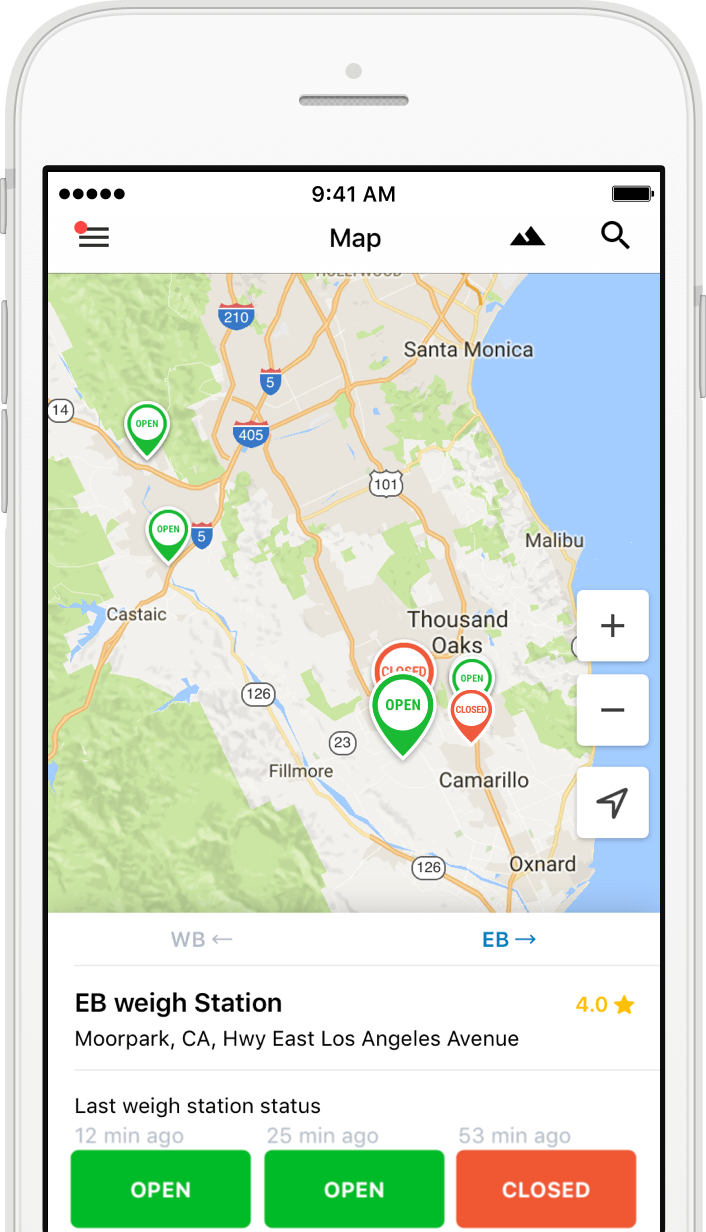
Modern logistics management relies on dynamic routing software. These tools integrate real-time data regarding traffic, road closures, and weigh station statuses. By leveraging these platforms, dispatchers can advise drivers on the most cost-effective path. If a driver knows that a specific weigh station is known for long delays on Tuesday mornings, the dispatch plan can be adjusted to route them through an alternative path or shift their arrival time.
The goal here is simple: minimize the “dead time” where a vehicle is stationary. In the trucking industry, a truck that isn’t moving is a cost center. By monitoring when stations close or experience low traffic flow, companies can maximize their “miles per hour” efficiency, which directly lowers the cost-per-mile metric—a vital KPI for any business in the transportation sector.

Leveraging Off-Peak Transit
Many logistics businesses choose to operate primarily at night. Beyond the benefit of avoiding standard commuter traffic, night transit often coincides with shifts in weigh station operations. While many major stations remain open, others shift to automated weighing systems or close entirely during off-peak hours to save on staffing costs.
From a side-hustle or small-business finance perspective, shifting to off-peak hours can be a competitive advantage. It improves delivery windows, reduces fuel consumption, and keeps the fleet moving at consistent speeds. However, this must be balanced against the increased premiums paid to drivers for night shifts and the heightened risk profile of fatigue-related incidents.
The Cost of Compliance and Infrastructure Maintenance
Financial discipline in logistics requires a proactive approach to vehicle maintenance. Weigh stations are not just speed bumps; they are diagnostic centers. When you pass through a station, you are, in effect, exposing your business assets to state-mandated inspections.
Financial Impacts of Out-of-Service Orders
A weigh station is where a “minor” mechanical issue becomes a major financial liability. If a station is open, and a DOT officer identifies a brake issue or a tire defect, they may issue an out-of-service (OOS) order. The fiscal consequences of an OOS order are catastrophic:
- Immediate Revenue Loss: The vehicle cannot move, meaning the cargo is delayed.
- Repair Costs: Emergency road-side repairs are significantly more expensive than scheduled maintenance performed at your home terminal.
- Insurance Premiums: A high OOS rate negatively impacts your CSA (Compliance, Safety, Accountability) scores, which insurance underwriters look at when determining your annual premiums.
Treating your vehicle fleet with the same scrutiny you would apply to your bank account—regularly auditing maintenance logs and ensuring compliance—is the best way to ensure that weigh stations never become a point of failure for your business.
Infrastructure Funding and Future Costs
It is important to understand that fuel taxes and heavy-vehicle use taxes fund the very weigh stations that monitor you. As the industry moves toward electric or hybrid vehicles, the way these costs are collected will shift. Many states are exploring mileage-based usage fees.
As a business owner, you should be building these potential shifts into your five-year financial forecast. If the model for road funding changes, the operating costs of your fleet will inevitably rise. Staying informed about legislative changes in the states where you operate is not just good citizenship; it is essential financial risk management.
Strategic Financial Planning for Trucking Operations
Ultimately, whether a weigh station is open or closed is a variable you must account for in your profit-and-loss statements. The most successful fleets are those that treat every element of the journey as a data point in their larger financial puzzle.
Incorporating Downtime into Business Models
When you quote a client for shipping, the price must reflect the realities of the road. If you are operating a route through states with strict enforcement and high-traffic weigh stations, your pricing should account for the potential time delays. Incorporating a “logistics overhead” into your contract bids allows you to absorb the costs of mandatory inspections or bypass subscriptions without eroding your profit margins.
The Role of Financial Data in Fleet Growth
The data you collect from your drivers—how often they are stopped, how long they wait, and the costs associated with bypass technologies—should be fed back into your business finance models. If your fleet is growing, use this data to determine which lanes are the most profitable. A lane that requires three stops at active, high-traffic weigh stations might be less profitable than a slightly longer route that utilizes fewer, faster checkpoints.
By applying a rigorous, data-driven approach to your logistics operations, you transform your fleet from a collection of trucks into a highly optimized financial asset. Understanding the hours of operation for weigh stations is merely one piece of a much larger strategy focused on efficiency, compliance, and sustained profitability in an increasingly competitive global market. Whether the scales are open or closed, your business must remain lean, compliant, and focused on the bottom line.
aViewFromTheCave is a participant in the Amazon Services LLC Associates Program, an affiliate advertising program designed to provide a means for sites to earn advertising fees by advertising and linking to Amazon.com. Amazon, the Amazon logo, AmazonSupply, and the AmazonSupply logo are trademarks of Amazon.com, Inc. or its affiliates. As an Amazon Associate we earn affiliate commissions from qualifying purchases.