
The ritual of Black Friday has evolved into a sophisticated exercise in consumer economics. For the savvy shopper, the question of store opening times is not merely about beating the crowds—it is about optimizing a tactical financial strategy designed to extract maximum value from the retail market. In an era where digital disruption competes with traditional brick-and-mortar experiences, understanding the “when” of Black Friday is the first step toward mastering your annual holiday budget.
The Evolution of the Black Friday Schedule
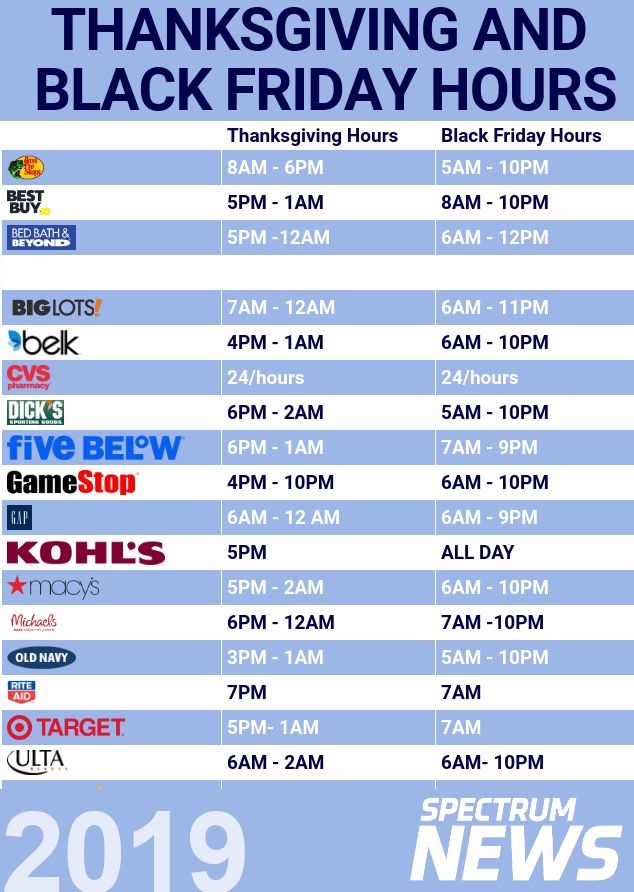
For decades, the standard opening time for Black Friday was the “early bird” special, typically occurring in the pre-dawn hours of Friday morning. However, the last decade has seen a dramatic shift toward the commodification of time itself. Retailers began pushing opening hours deeper into Thanksgiving evening, transforming a shopping holiday into a race for market share.
The Shift Toward Efficiency
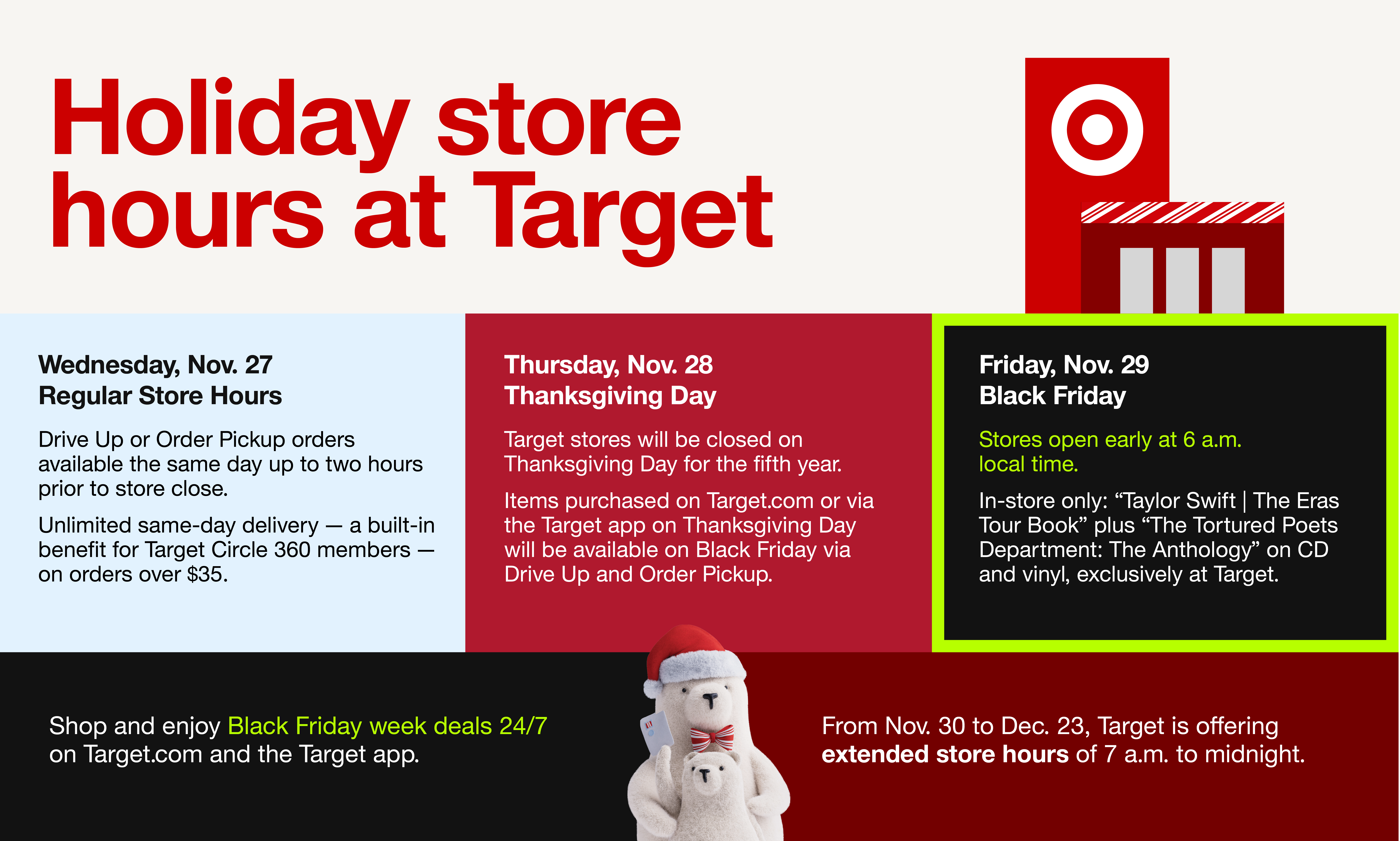
In recent years, we have seen a pivot back toward normalcy. Many major retailers have realized that the overhead costs of staffing stores on Thanksgiving Day often outweigh the marginal gains of early openings. This strategic retreat has stabilized, creating a predictable schedule that benefits the financial planner who thrives on structure. Most national retailers now consolidate their “doorbuster” events into a specific window on Friday morning, usually ranging between 5:00 AM and 7:00 AM.
Why Timing Impacts Your Bottom Line
From a personal finance perspective, the timing of store openings dictates your “cost per hour” for shopping. If you arrive at 4:00 AM to save $50 on an item you could have purchased online for the same price later, you have effectively devalued your time. Savvy investors in their own consumer power recognize that the “Black Friday opening time” is a signal of inventory availability. If you are chasing a high-demand item with limited supply, the opening time is your deadline; if you are chasing a general deal, your time is better spent at home auditing your accounts.
Navigating Retail Strategies for Maximum Savings
To treat Black Friday as a financial event rather than an impulsive shopping spree, you must categorize the retailers you intend to visit. Not all business models operate on the same timeline, and understanding the financial motivation behind these hours is key to your strategy.
The “Door-Buster” Economics
Retailers use “loss leaders”—items priced below cost—to drive foot traffic. These items are strategically placed to ensure you spend more time in the store, increasing the likelihood of “impulse leakage” in your budget. When you see a store opening at an extreme hour, it is rarely for your convenience; it is a calculated effort to capture your total holiday spend before you visit a competitor.
Synchronizing Your Financial Calendar
- The Early Openers (5:00 AM – 6:00 AM): These are typically large-box retailers moving high-volume electronics and appliances. These windows are tight and designed for high-turnover inventory.
- The Balanced Openers (8:00 AM – 9:00 AM): Often found in malls or smaller boutiques. These retailers cater to a more leisurely demographic and often provide the best value for clothing or home goods where price volatility is lower.
- The Digital Hybrid: Always check the retailer’s app or web portal 24 hours prior. Many businesses now release “in-store only” pricing hours that match their digital drops.
By aligning your schedule with the retailer’s financial goals, you avoid the trap of “sunk time”—the act of waiting in line for hours for an item that provides little long-term utility to your household finances.
Strategic Budgeting for the Shopping Season
Black Friday is the ultimate test of personal finance discipline. If you enter the day without a clear budget, you are not a consumer; you are a target. Before you even look at a store’s opening time, you must conduct a fiscal audit.
The Opportunity Cost of Black Friday
Every dollar spent on Black Friday is a dollar removed from your investment portfolio or your emergency fund. If you use credit to fund these purchases, you must calculate the interest cost against the deal you are receiving. A 30% discount on a television is negated if it takes you six months to pay off the balance at an 18% APR.
Tactics for Financial Preservation
- The Rule of 24 Hours: If you aren’t sure you need the item, wait 24 hours. The “Black Friday” event now stretches into “Cyber Week,” and most retail prices drop further as the weekend progresses.
- Cash-Flow Management: Use a dedicated shopping account or a pre-paid card. Once the balance hits zero, the shopping ends. This psychological barrier is more effective than any store-imposed limit.
- Comparative Value Analysis: Use your smartphone while in the store to cross-reference prices. If the store opening time has lured you in, don’t let the adrenaline of the crowd force you into a purchase that doesn’t hold up under digital scrutiny.
The Future of Shopping Hours and Consumer Choice
We are witnessing the decline of the “Black Friday Frenzy” as we once knew it. Retailers are increasingly adopting “Black November” strategies, spreading deals across the entire month to reduce the logistics nightmare of a single-day rush.
The Death of the Midnight Rush
Retailers have identified that the traditional “midnight” opening creates burnout for employees and creates a negative customer experience. By spreading deals across a longer timeframe, retailers are actually smoothing out their revenue curves, which makes for more stable business forecasting. For the individual, this is a victory. It means you are no longer forced to sacrifice your sleep or your physical comfort to participate in the sale cycle.
Shifting the Paradigm
When you ask, “What time are stores opening for Black Friday?”, realize that you are asking a question that is becoming increasingly irrelevant. The real question is, “How much value am I extracting from the current retail cycle?” As business strategies shift toward omnichannel sales—where online and offline experiences are integrated—the physical store becomes a fulfillment center rather than a chaotic battleground.

Conclusion: Mastering the Retail Event
Your success on Black Friday should not be measured by the number of bags you carry out of a store, but by the efficiency with which you managed your capital. Whether a store opens at 5:00 AM or 9:00 AM, the principles of sound personal finance remain the same.
- Plan your acquisitions: Identify what you need before the store opens.
- Set your limits: Establish a hard cap on your spending to protect your financial health.
- Value your time: Do not spend hours in lines that could be better spent on productive pursuits or rest.
- Leverage digital tools: Use price-tracking apps and online search tools to verify if the “deal” is truly a discount.
Black Friday is a tool. In the hands of a disciplined financial planner, it is a mechanism for saving money on necessary capital goods. In the hands of the undisciplined, it is a trap designed to drain your liquid assets for temporary satisfaction. By understanding the timing of store operations and the underlying financial strategies of the retail sector, you gain the upper hand. You are no longer just a participant in the crowd; you are a strategic shopper, optimizing your resources in a complex, fast-moving market environment. As you prepare for this year’s shopping season, prioritize your bottom line over the siren song of the early-morning doorbuster. Your future self—and your bank account—will thank you.
aViewFromTheCave is a participant in the Amazon Services LLC Associates Program, an affiliate advertising program designed to provide a means for sites to earn advertising fees by advertising and linking to Amazon.com. Amazon, the Amazon logo, AmazonSupply, and the AmazonSupply logo are trademarks of Amazon.com, Inc. or its affiliates. As an Amazon Associate we earn affiliate commissions from qualifying purchases.