
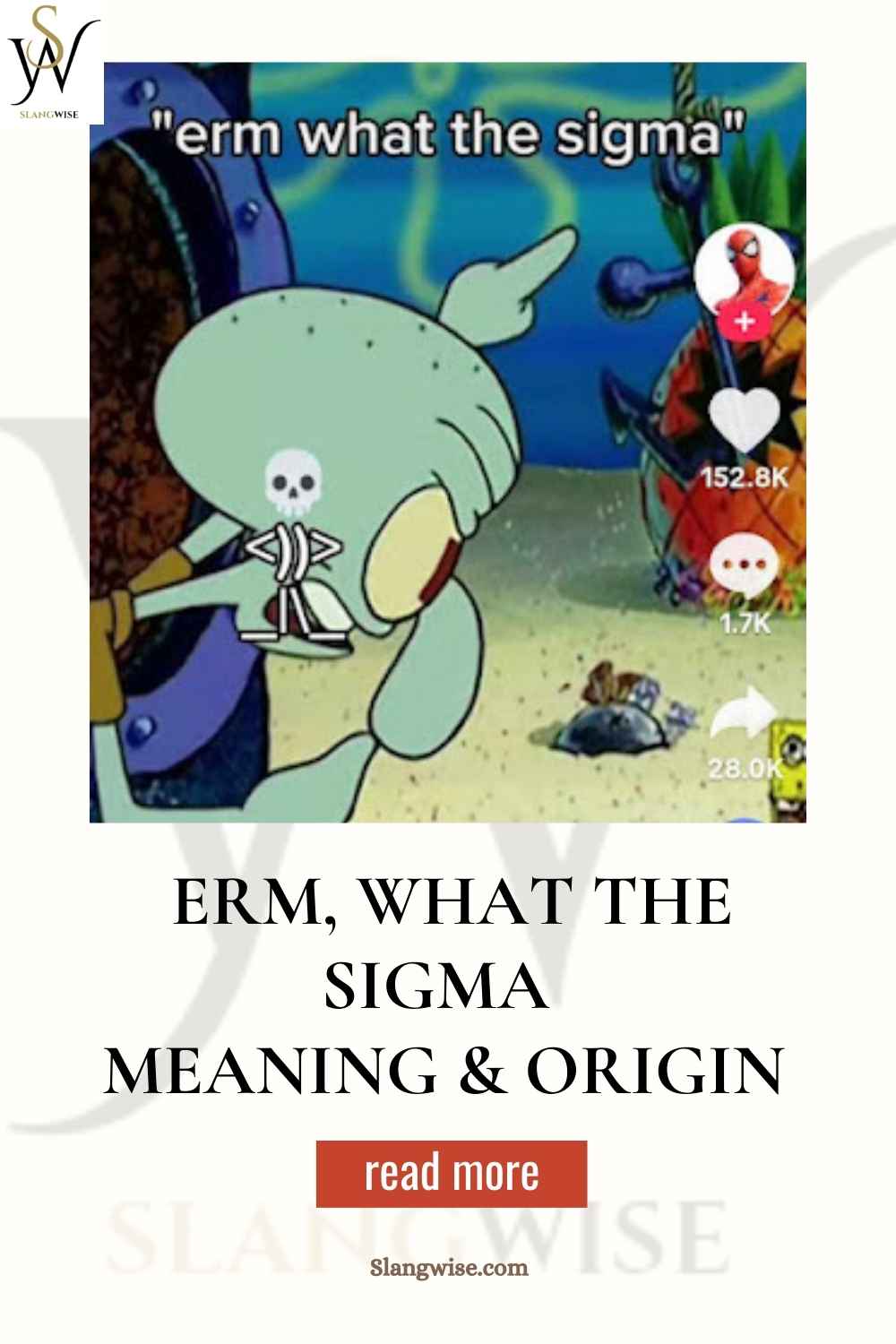
The rapid ascent of the “Sigma” archetype from the dark, esoteric corners of fringe internet forums to the mainstream lexicon of global marketing represents one of the most fascinating case studies in contemporary brand strategy. To understand “what the sigma” means in a corporate context, one must move past the meme culture and examine the underlying mechanics of identity-driven marketing. In an era where traditional consumer loyalty is waning, the Sigma archetype has emerged as a powerful tool for brands looking to capture the attention of an increasingly fragmented and individualistic demographic.
The Architecture of the Sigma Brand Persona
The term “Sigma” originates from a subversion of the traditional social hierarchy—the so-called “Alpha/Beta” binary. In this framework, the Sigma is the “lone wolf”: an individual who operates outside the conventional hierarchy, eschewing external validation while maintaining a high degree of competence and autonomy. For marketers, this is a goldmine of psychological signaling.
Deconstructing the Appeal
The allure of the Sigma archetype lies in its exclusivity. While “Alpha” brands often focus on leadership, dominance, and overt status, “Sigma” branding pivots toward self-sufficiency and stoicism. Brands that successfully adopt this tone communicate that they are not for everyone—they are for the “insiders.” This scarcity mindset is a fundamental pillar of luxury marketing, but it has been repurposed by modern digital brands to build intense, cult-like followings.
Signaling Through Minimalist Design
If you look at the visual identity of brands pivoting toward Sigma-coded messaging, you will notice a departure from vibrant, hyper-social imagery. Instead, the focus shifts to high-contrast palettes, minimalist typography, and content that prioritizes “the grind” or silent competence over flashy public displays. This design strategy serves as a filter; it attracts consumers who identify with the concept of the self-made outsider, effectively segmenting a brand’s audience into a highly loyal, niche cohort.
The Psychology of Self-Selection in Marketing
Marketing in the modern age is no longer about reaching the largest possible audience; it is about facilitating the self-selection of a specific tribe. The Sigma archetype is the ultimate tool for this purpose because it thrives on alienation—intentionally creating a divide between those who “get it” and those who do not.
The Role of Counter-Culture Branding
Brands that lean into Sigma aesthetics often utilize counter-culture messaging to create an “us versus them” narrative. By positioning the brand as the companion of the independent operator, companies can bypass the need for traditional advertising. Instead, they foster a sense of shared identity among their customer base. When a user purchases a product that is marketed as a tool for the “Sigma,” they aren’t just buying a gadget or a service; they are buying into an identity that validates their desire to function independently of mainstream social pressures.
Building Authenticity Through Esotericism
The greatest risk in adopting a Sigma persona is the perception of “cringe” or forced relatability. Consumers today have a highly developed radar for inauthenticity. Brands that successfully navigate this space do so by being genuinely committed to their niche. They don’t try to explain the “Sigma” concept; they simply embody it. By maintaining a level of mystery—or “low-context” communication—these brands build trust through shared knowledge, rewarding those who understand the subtext while remaining indifferent to the broader, confused public.

Integrating Archetypes into Corporate Identity
For established corporations, the transition toward a more nuanced, archetype-based brand identity can be difficult, yet it offers a pathway to revitalizing a stale corporate image. Integrating Sigma-coded strategies requires a move away from aggressive, extroverted marketing tactics toward a more calculated, stoic presence.
Shifting from Interaction to Influence
Most brands are obsessed with “engagement”—likes, comments, and shares. A Sigma-influenced strategy, however, focuses on influence and utility. The goal is to become an indispensable tool or a quiet symbol of excellence that exists in the background of the consumer’s life, rather than a loud, intrusive presence in their feed. This requires a shift in social media strategy: moving away from constant content updates and toward highly curated, impactful statements that demand attention through their rarity.
Case Study: The Quiet Luxury Pivot
Many high-end fashion and tech firms have inadvertently (or intentionally) adopted this approach. By stripping away branding logos and focusing on the tactile quality of a product, they appeal to the desire for a Sigma-like existence—one defined by personal standards rather than public display. The “Quiet Luxury” movement is essentially the corporate, high-budget realization of the Sigma archetype. It communicates competence, status, and independence without ever having to say a word.
The Longevity of the Sigma Trend
As the internet continues to accelerate, the lifespan of individual memes is shrinking. However, the Sigma archetype has shown remarkable staying power. This is because it is not merely a passing trend; it is a response to the hyper-connected, surveillance-oriented nature of modern digital life. As consumers feel increasingly monitored and commodified by social media algorithms, the “lone wolf” persona becomes an aspirational ideal.
Navigating the Risks of Alienation
The danger for any brand adopting this strategy is the potential for total alienation. If a brand becomes too insular, it loses the ability to scale. The key to successful brand strategy is balance: maintaining the “Sigma” allure—the perception of being exclusive, stoic, and self-reliant—while ensuring that the product or service remains accessible to the target market. It is a tightrope walk between being an elite insider club and a functional business entity.
Future-Proofing the Brand Identity
To remain relevant, brands must avoid the trap of becoming a caricature of the “Sigma” meme. If the messaging becomes too ironic or self-aware, the archetype loses its weight. The most successful brands will be those that take the core values of the archetype—autonomy, mastery, and independence—and translate them into tangible value propositions. Whether it is through software that promotes deep work, apparel that signals quiet confidence, or financial tools that cater to the self-directed investor, the future of branding lies in understanding these deep-seated psychological shifts.

Conclusion: The Sigma as a Strategy, Not a Joke
“What the sigma” started as a punchline, but its trajectory reveals a profound shift in how consumers view themselves in the 21st century. By identifying with the Sigma archetype, consumers are rejecting the superficiality of traditional social-media-driven status, opting instead for a brand of individualism that prioritizes the internal over the external. For those in brand strategy, the lesson is clear: identity is the new currency. By aligning with these evolving archetypes, brands can foster deeper, more meaningful, and more profitable relationships with their audience. The companies that win tomorrow will not be the ones that scream the loudest, but the ones that possess the quiet confidence to let their users define them.
aViewFromTheCave is a participant in the Amazon Services LLC Associates Program, an affiliate advertising program designed to provide a means for sites to earn advertising fees by advertising and linking to Amazon.com. Amazon, the Amazon logo, AmazonSupply, and the AmazonSupply logo are trademarks of Amazon.com, Inc. or its affiliates. As an Amazon Associate we earn affiliate commissions from qualifying purchases.