
Donating plasma has emerged as one of the most reliable and accessible side hustles in the modern gig economy. Unlike traditional part-time jobs that require fixed schedules and specific skill sets, plasma donation allows individuals to trade their time and biological resources for immediate financial compensation. While the process is relatively straightforward, it is not simply a matter of walking into a center and collecting a check. Because plasma donation is a physical process, your eligibility and your ability to maximize your compensation depend heavily on how you prepare your body. Approaching this as a serious side hustle requires a strategic mindset focused on health optimization to ensure you can donate consistently and safely.
Optimizing Your Biological Baseline for Maximum Yield
If you are looking at plasma donation as a recurring income stream, you must treat your body like an asset that requires maintenance. Plasma centers have strict regulatory requirements; if your vitals are off or your protein levels are too low, you will be deferred. Being deferred not only wastes your time but also prevents you from earning the bonuses often tied to consecutive donations within a specific window.
Hydration as a Financial Strategy
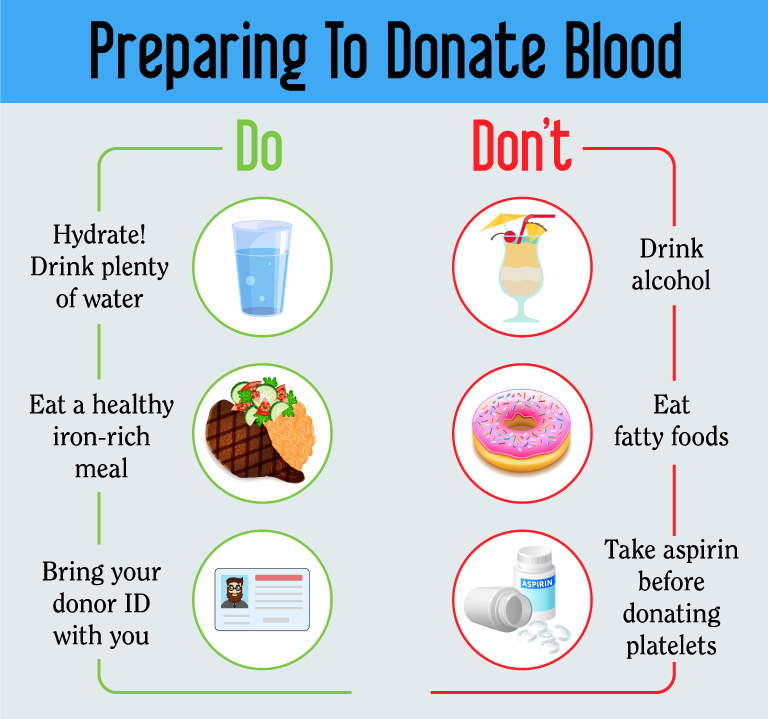
Hydration is the single most important factor in the plasma donation process. Plasma is approximately 90% water. If you are dehydrated, your blood volume is lower, and the collection process—known as plasmapheresis—will take significantly longer. In many cases, if a technician deems you too dehydrated, they will simply stop the process or deny your donation entirely.
To turn this into a professional habit, start hydrating 24 to 48 hours before your appointment. Do not rely on “chugging” water an hour before you arrive, as this can lead to discomfort during the draw. Instead, aim for consistent intake. Electrolytes are your best friend here. Adding an electrolyte powder or a sports drink to your routine the night before helps your body retain the fluids necessary to keep your blood volume high, which ensures a faster “draw” and “return” cycle. A faster cycle means you spend less time in the chair, increasing your effective hourly rate.
Nutritional Pre-Gaming: Protein and Iron
Your plasma contains vital proteins, specifically albumin and globulins, which the collection software monitors. If your protein levels are insufficient, you will be ineligible to donate. This is particularly relevant if you are donating twice a week.
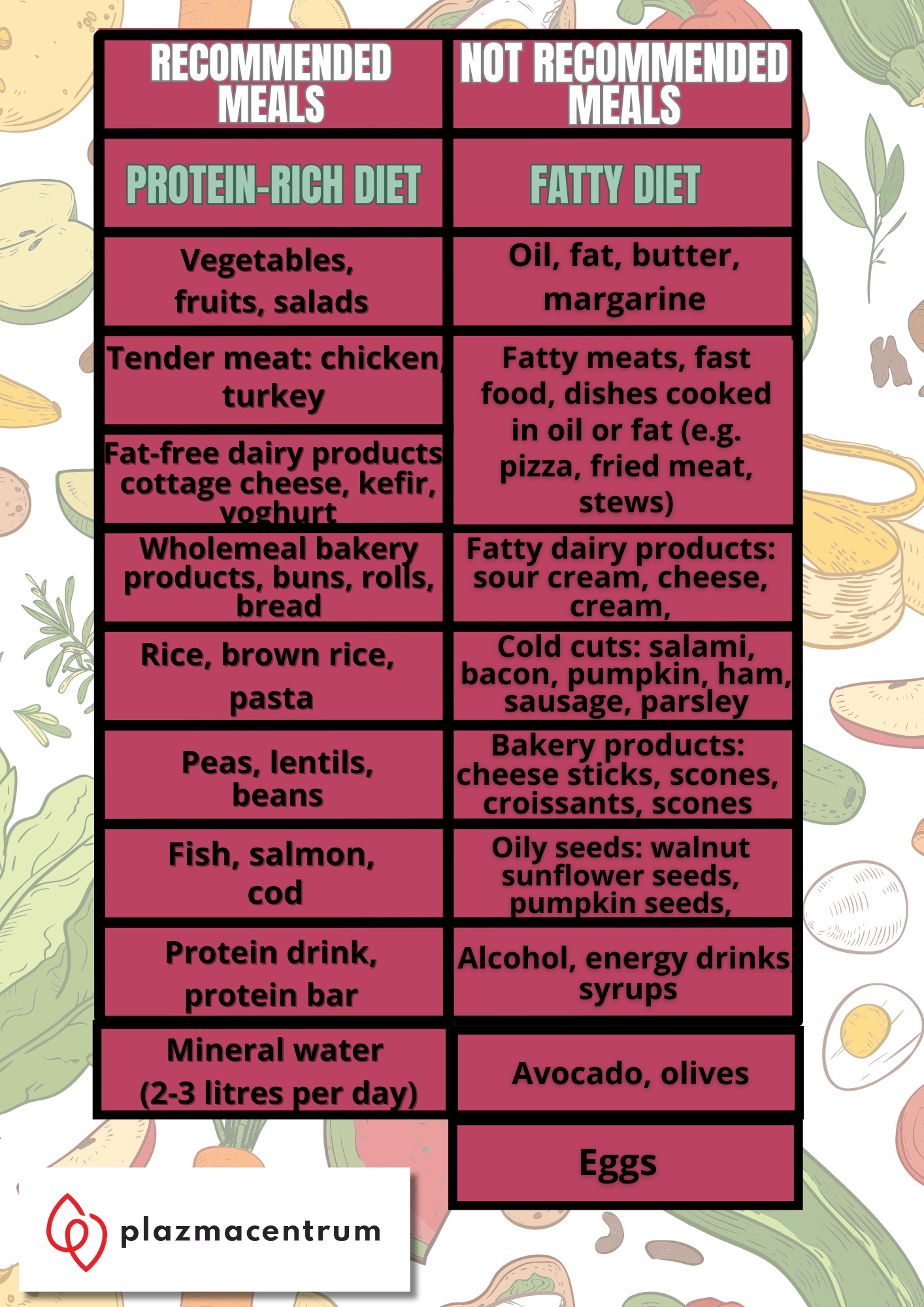
Prioritize a high-protein diet in the days leading up to your session. Lean meats, beans, lentils, and Greek yogurt are excellent fuel sources. Avoid heavy, fatty, or fried foods for at least 24 hours before your donation. High-fat meals can cause “lipemic” plasma—where your plasma appears cloudy or milky due to elevated lipids—which may result in your donation being discarded and your deferral from future sessions. By keeping your diet clean and nutrient-dense, you protect your eligibility and ensure the quality of the product you are providing.
Navigating the Logistics of the Donation Center
Treating plasma donation as a business means understanding the ecosystem of the center you choose. Not all centers are created equal, and your strategy should involve maximizing your “return on investment” regarding your time and physical effort.
Selecting the Right Center and Understanding Compensation Tiers
Most plasma companies offer aggressive “new donor” bonuses. These bonuses are often structured over a period of 5 to 8 donations. Before you walk into the first center you see, do your research. Look for centers that offer the best “new donor” packages in your area. Use their mobile apps to track local pricing, as some centers offer “surge pricing” or additional bonuses for donating during off-peak hours or weekends.
Consistency is key to side hustle income. Many centers offer a “referral program” or “loyalty bonus” for donors who maintain a strict twice-a-week schedule for a month. Map out your schedule in advance. If you know you have a busy week ahead, try to front-load your donations to satisfy the minimum requirements for the month’s bonus structure.
Mastering the Pre-Screening Process
Every visit begins with a health screening. This involves a questionnaire regarding your medical history and a quick finger prick to check your hematocrit levels (the volume percentage of red blood cells in your blood) and protein levels.
To avoid the frustration of a failed screening, be honest and precise about your medical history. If you have recently traveled abroad, received a new tattoo, or started a new medication, have your documentation ready. Discrepancies between your current disclosure and previous records can lead to permanent bans. Keep a digital folder or a small physical file with your pertinent health documents, such as proof of residency and your social security card, to make the intake process seamless. Efficiency at the desk reduces your “time on site,” effectively raising your pay per hour.
Post-Donation Care and Long-Term Sustainability
The longevity of your plasma-based side hustle depends entirely on your ability to recover quickly. If you push your body too hard without proper recovery, you risk fatigue, dizziness, and long-term health issues that will force you to stop donating.
Immediate Post-Donation Recovery
Once the machine finishes the return cycle, your body has just lost a significant volume of fluids and proteins. The most important thing to do immediately upon leaving the chair is to eat a balanced snack and hydrate again. Most centers provide water or juice, but you should have a high-protein snack—like a protein bar or beef jerky—ready in your bag.
Avoid heavy lifting or strenuous exercise for at least 6 to 8 hours after your donation. Since you have lost blood volume, your heart has to work slightly harder to pump blood to your muscles. If you are also working another physically demanding job, try to schedule your donations for your days off or after your shift ends to avoid workplace injury.
Maintaining Your Health for the Long Haul
To turn plasma donation into a reliable, year-round side hustle, you must monitor your iron levels. Donating plasma twice a week can lead to gradual iron depletion, which eventually causes anemia. If your iron drops below the threshold, the center will defer you until your levels recover, which can take weeks.
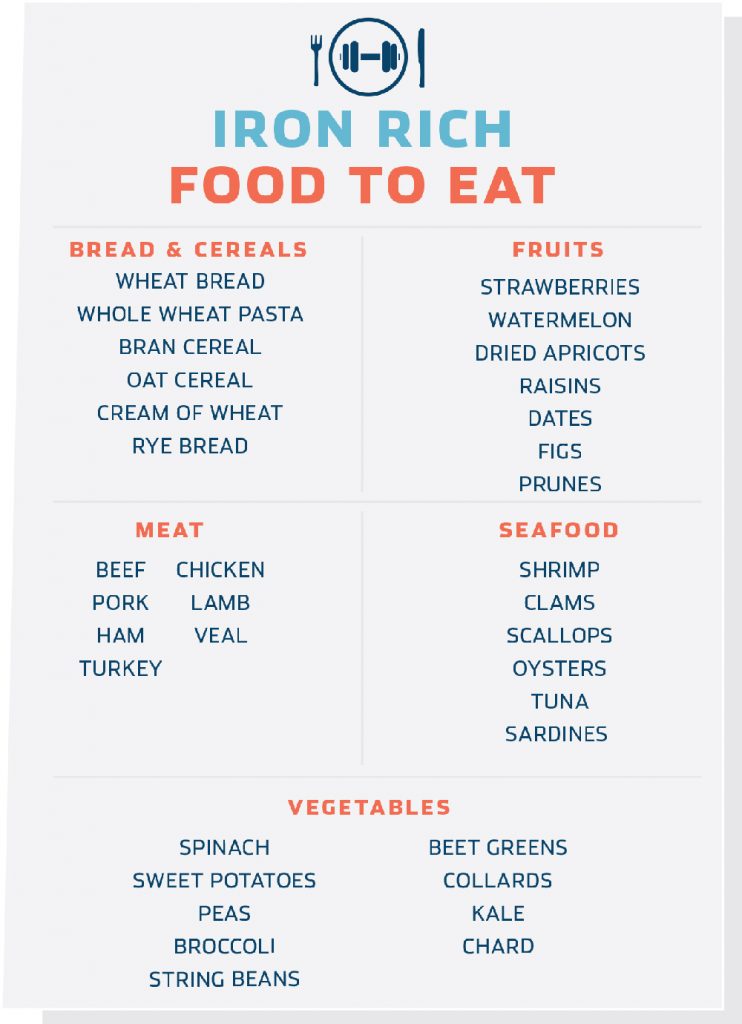
Incorporate iron-rich foods into your diet, such as spinach, red meat, or fortified cereals. Some donors choose to take a low-dose iron supplement, but consult with a healthcare professional before starting any regimen. By staying ahead of your physiological needs, you prevent the “forced downtime” that cuts into your income. Remember, your body is the capital in this business; if you don’t take care of your health, you lose your ability to generate revenue.
Creating a Sustainable Routine
The secret to success in plasma donation is transforming it from a “desperation” act into a disciplined professional habit. By preparing your body through strategic hydration, protein intake, and careful scheduling, you turn a biological process into a predictable income stream.
Start by auditing your calendar and identifying the two days a week that cause the least amount of disruption to your life. Sync your donation days with your grocery shopping or administrative tasks to maximize the utility of your time away from home. Use the mobile application provided by your donation center to monitor your earnings and keep an eye on “extra bonus” alerts.
When you treat your plasma donation as a professional obligation rather than a chore, you mitigate the risks of deferral, decrease the time you spend sitting in the center, and ensure that your side hustle remains a consistent, safe, and reliable source of supplemental income. Focus on your recovery, stay disciplined with your nutrition, and leverage the compensation structures to build a sustainable flow of extra money while contributing to critical medical research and treatments.
aViewFromTheCave is a participant in the Amazon Services LLC Associates Program, an affiliate advertising program designed to provide a means for sites to earn advertising fees by advertising and linking to Amazon.com. Amazon, the Amazon logo, AmazonSupply, and the AmazonSupply logo are trademarks of Amazon.com, Inc. or its affiliates. As an Amazon Associate we earn affiliate commissions from qualifying purchases.