
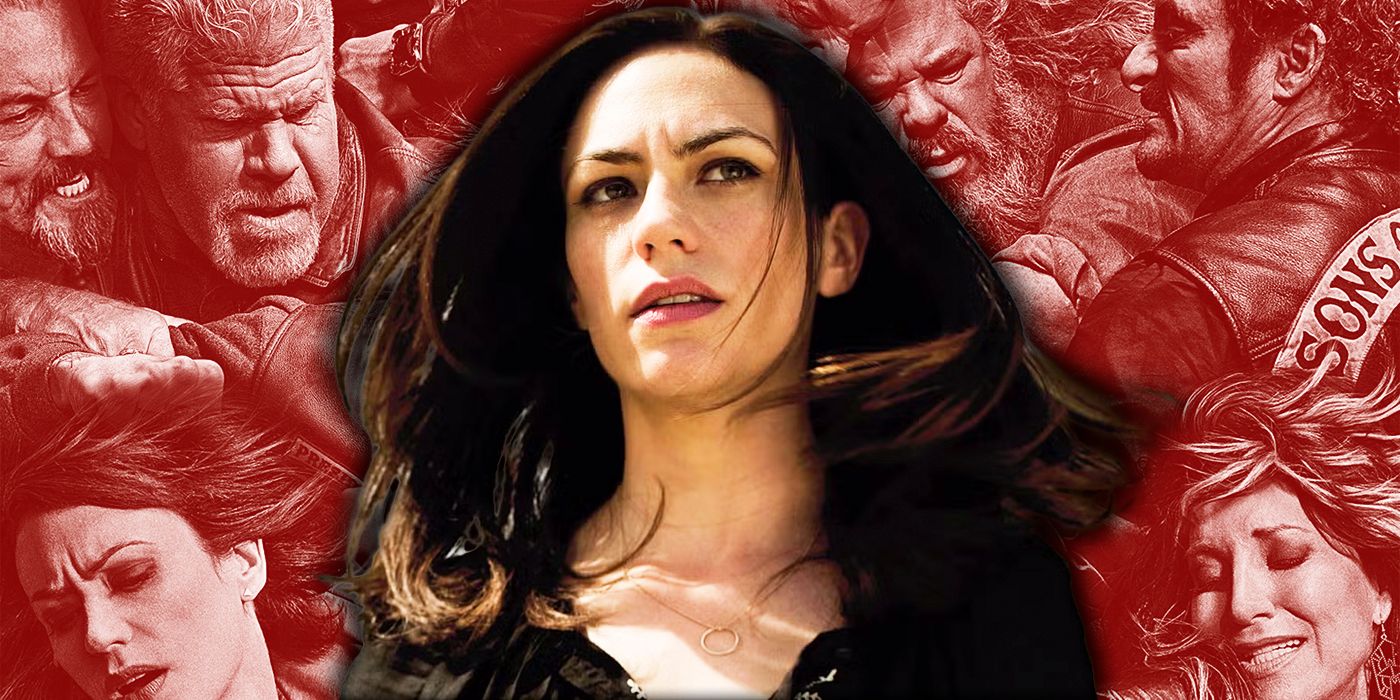
The death of Tara Knowles in Sons of Anarchy (SOA) remains one of the most polarizing moments in modern television history. For students of brand strategy and corporate storytelling, this narrative pivot serves as a masterclass in the volatile relationship between a brand and its audience. When a high-equity product—in this case, a critically acclaimed show—decides to kill off a foundational character, it is not merely a creative choice; it is a high-stakes marketing gamble that tests the limits of brand loyalty and audience retention.
The Brand Equity of a Long-Form Narrative
In the entertainment industry, a show is essentially a consumer brand. The characters represent the product features, the writers represent the R&D team, and the audience serves as the brand community. By the time Tara Knowles, a central character and the moral anchor for the protagonist, was killed in the penultimate season, the “Sons of Anarchy” brand had cultivated a specific identity: grit, brotherhood, and inescapable tragedy.
Consistency as a Brand Pillar
Successful brands thrive on consistency. Consumers purchase a product because they know what to expect. Throughout the first five seasons, the audience expected the chaos of SAMCRO to be balanced by the intellectual and medical perspective of Tara. When that balance was removed, the “product” changed fundamentally. From a strategic branding perspective, this is a dangerous move. If you alter the core value proposition of a product too drastically, you risk alienating your most loyal customer segment—the “brand evangelists” who have invested years in the narrative journey.
Managing Expectation vs. Reality
The decision to end Tara’s arc in Season 6 was a deliberate attempt by the showrunners to push the brand into darker territory. While some marketers argue that disruption is necessary to prevent brand stagnation, it carries the inherent risk of “jumping the shark.” In this instance, the death was not just a plot point; it was a rebranding exercise. The show transitioned from a story about a man trying to change his club into a nihilistic exploration of loss. Understanding how the audience reacted to this shift provides a template for any brand attempting a radical change in their value proposition.
Narrative Risk Management: The Cost of Alienating the Base
When a company makes a major shift in policy or product focus, they must anticipate the potential backlash. In the world of prestige television, the “Tara death” served as a litmus test for how much trauma an audience is willing to endure before they abandon a brand.
The Impact of Emotional Investment
Brand loyalty is often built on emotional capital. When a company betrays that capital—or in this case, brutally eliminates it—there is a psychological cost. The viewership data following Season 6 illustrated a classic marketing phenomenon: the “Churn Rate Spike.” While the show maintained its core demographic, it lost a significant portion of its casual audience who felt that the “Return on Investment” (the emotional payoff of the story) had shifted into negative territory.

Leveraging Scarcity and Shock Value
Conversely, some brand strategies intentionally use shock as a growth vector. By killing off a major character, the Sons of Anarchy brand generated immense buzz. In the digital age, being “talked about” is a metric of success. The controversy surrounding Tara’s death ensured that the show remained a trending topic, driving engagement and discussions that traditional advertising could never achieve. This highlights a crucial truth in brand strategy: negative sentiment is often more powerful than indifference. A brand that generates strong negative reactions is, at the very least, still relevant in the cultural discourse.
The Lifecycle of a Brand: Understanding the Finale
The final seasons of any long-running media property are equivalent to a product entering its “harvesting” phase. At this point, the objective is to maximize equity and close the loop on the brand promise.
Why Timing is Everything
The timing of the character’s death was calculated to coincide with the beginning of the end of the show’s lifecycle. From a strategic marketing view, killing off a key stakeholder like Tara in the final act served to clear the board for the protagonist’s ultimate trajectory. For any business, understanding the timing of a major shift is critical. You cannot pivot your brand strategy halfway through a growth phase; you must wait until the market is primed for the change. By waiting until the latter half of the series, the showrunners ensured that the brand identity—the dark, violent, and relentless nature of the club—was fully solidified before the final collapse.
Sustaining Brand Integrity Through Turbulence
Despite the controversy, Sons of Anarchy maintained its status as a premium brand until the very end. This was achieved through unwavering commitment to the new, darker brand narrative. Once the decision was made to remove Tara, the marketing and writing teams did not backtrack or attempt to soften the blow. This is a critical lesson in corporate identity: once you commit to a major pivot, you must follow through with total conviction. A brand that oscillates between its old identity and its new strategy creates confusion, which is the death knell for any consumer-facing product.

Strategic Lessons from Narrative Disruption
Analyzing the narrative arc of Tara Knowles through the lens of brand strategy reveals three fundamental truths that apply to any business, regardless of industry:
- Brand Trust is Fragile: You can change your product, but you cannot change your brand values without expecting a loss of loyalty. Ensure that any major shift is grounded in the established core of your company’s identity.
- The Power of Narrative Continuity: Audiences (and customers) crave a sense of logic. Even in the face of radical change, there must be a thread of continuity that allows the stakeholder to feel that their prior investment was justified.
- Disruption as a Marketing Tool: Do not fear controversy if it serves the broader goals of your brand. Sometimes, the most effective way to re-energize a stagnant brand is to take a risk that forces your audience to re-evaluate their perception of your product.
In conclusion, while the death of Tara Knowles in Season 6 was a tragic moment for the characters within Sons of Anarchy, it was a tactical maneuver for the brand itself. By leaning into the discomfort and the irreversible nature of the tragedy, the show reinforced its status as a gritty, uncompromising, and bold cultural product. For professionals in brand strategy, this serves as a reminder that the most memorable brands are not the ones that play it safe, but the ones that understand how to manage the consequences of their boldest decisions. Whether it is a television show or a global corporation, the ability to control the narrative during times of radical change is the hallmark of a brand that stands the test of time.
aViewFromTheCave is a participant in the Amazon Services LLC Associates Program, an affiliate advertising program designed to provide a means for sites to earn advertising fees by advertising and linking to Amazon.com. Amazon, the Amazon logo, AmazonSupply, and the AmazonSupply logo are trademarks of Amazon.com, Inc. or its affiliates. As an Amazon Associate we earn affiliate commissions from qualifying purchases.