
The Lifecycle of a Flagship Persona: Lessons in Brand Equity
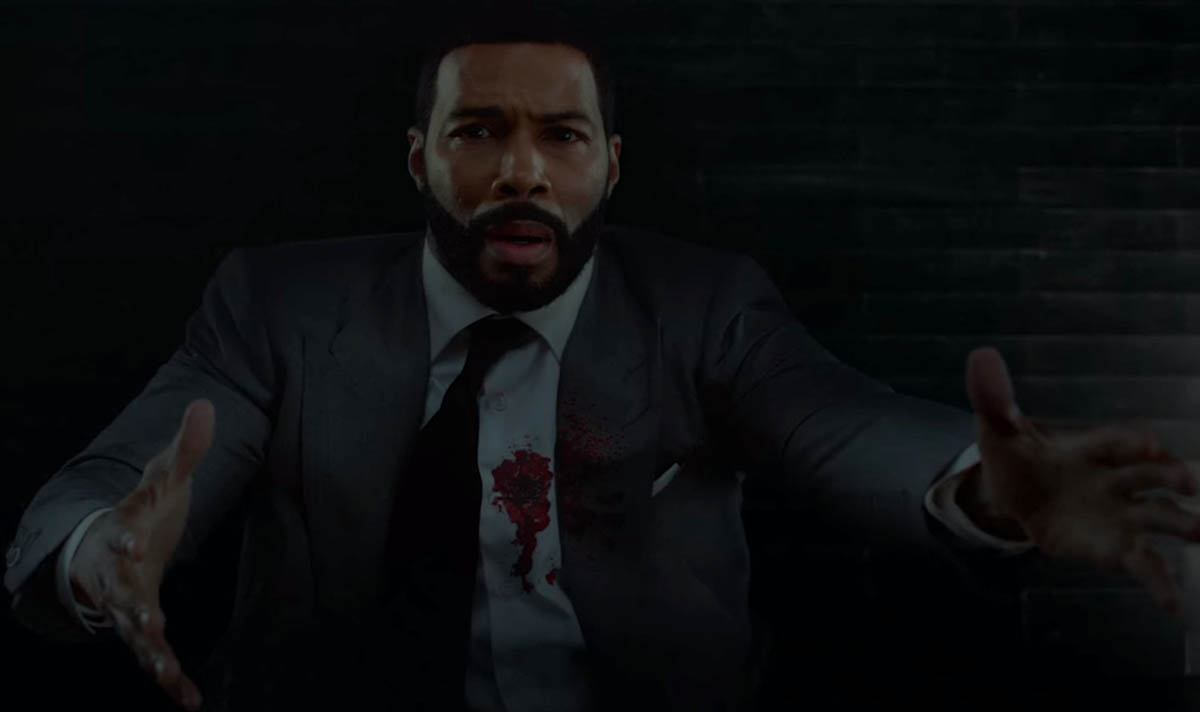
When discussing the character James “Ghost” St. Patrick from the Starz hit series Power, one is not merely analyzing a fictional narrative arc; one is examining the lifecycle of a high-equity brand. Ghost represented the quintessential personal brand: polished, ambitious, strategically detached, and hyper-focused on the transition from “the streets” to legitimate enterprise. In the context of brand strategy, the character’s trajectory—and his eventual demise in the middle of the final season—serves as a masterclass in the dangers of brand stagnation and the necessity of disruptive evolution.
When a brand stays tethered to a singular identity for too long, it risks becoming predictable. For Power, Ghost was the engine that drove the narrative for six seasons. However, the showrunners recognized that to maintain market share—or in this case, viewership—the brand needed to undergo a radical transformation. His death was not just a plot point; it was a corporate restructuring of the Power universe. By removing the primary pillar of the brand, the stakeholders forced the audience to engage with new, emerging sub-brands (the spin-offs), effectively transitioning the loyalty of the consumer base from a singular hero to an entire ecosystem.

Narrative Architecture as Brand Management
The decision to end the Ghost persona in Season 6 was a calculated risk that reflects how established corporations handle the “sunset phase” of their flagship products. In brand strategy, there is a concept known as “creative destruction”—the idea that to build something new and more profitable, you must be willing to dismantle the structure that made you successful in the first place.
The Illusion of Indestructibility
For years, Ghost functioned as an impenetrable brand. He was the “legitimate” businessman, the nightclub owner, the political hopeful. By maintaining this dual identity, he built a shield of professional credibility. However, brands that build their entire identity on a facade of perfection are inherently fragile. When the cracks appeared, the market—in the form of his disillusioned associates—demanded a correction. This is a critical lesson for any personal brand or corporate entity: when your public narrative becomes detached from your private operations, you are vulnerable to a hostile takeover.
The Pivot to the Multi-Brand Strategy
The death of Ghost allowed for the birth of Power Book II: Ghost, Power Book III: Raising Kanan, and Power Book IV: Force. This is a textbook example of “brand diversification.” By killing off the central anchor, the show creators shifted the focus from a single individual to a franchise. They moved from being a show about a man, to being a show about a legacy. This strategy ensures longevity in a crowded digital media landscape. If your business is reliant on one star performer or one flagship product, you are one season away from total irrelevance. Diversification is not just a growth strategy; it is a survival mechanism.
Market Saturation and the Need for Disruptive Innovation
In the digital age, audiences suffer from “content fatigue.” When a narrative stays in the same lane for six seasons, the return on investment for the viewer diminishes. To revitalize the brand, the show needed a shock to the system. Killing Ghost was the ultimate disruptor. It reignited social media discourse, spurred intense fan debates, and generated the kind of organic marketing that money cannot buy.
Managing Public Perception Through Transition
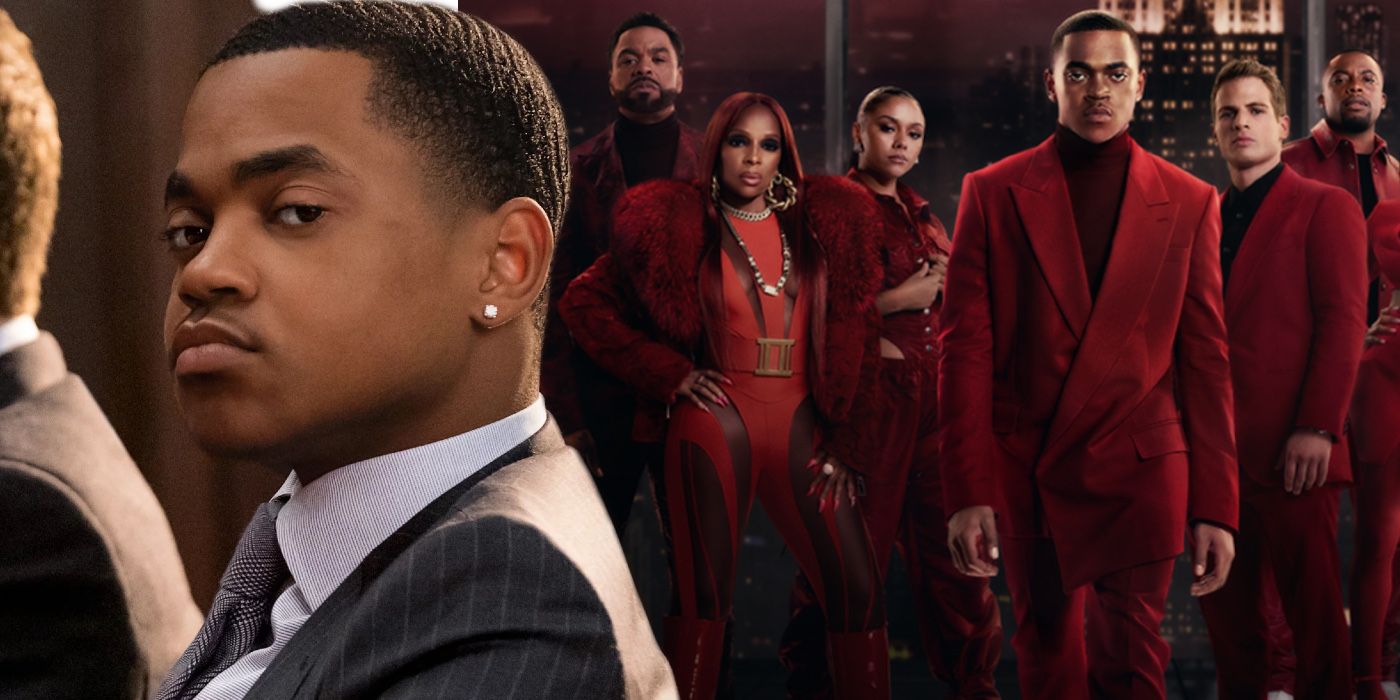
The transition from Ghost to his successors (most notably his son, Tariq St. Patrick) serves as an analogy for corporate succession planning. How do you pass the torch when the incumbent is so much larger than the organization itself? If the succession is too smooth, the audience loses interest because there is no conflict. If it is too abrupt, the audience feels betrayed. The Power writers navigated this by turning the succession into a “hostile takeover,” keeping the conflict high and the brand engagement levels at an all-time peak.
The Value of a High-Stakes Exit
A brand that fades away slowly loses its prestige. A brand that exits at its peak—or via a dramatic, high-stakes event—secures its place in history. Ghost’s exit was designed to leave the audience wanting more, ensuring that the Power franchise remained relevant long after his character was gone. This is the goal of any exit strategy in the business world: you want your brand to be remembered not as a stale commodity, but as a legendary catalyst that changed the industry.
Data-Driven Decision Making in Creative Ventures
Behind every narrative choice in a show as successful as Power lies a mountain of data. The writers and producers understood the demographics of their audience, the peak engagement times, and the point at which Ghost as a character had run his course. This reflects the necessity of data-driven decision-making in any brand strategy. You cannot rely on intuition alone when millions of dollars and brand reputation are on the line.
Knowing When to Pivot
Ghost’s death in the sixth season was a decision based on the necessity of evolution. If the show had continued with Ghost in the same position, the character would have become a caricature of his former self. Similarly, in business, you must be willing to pivot your marketing, your product offering, or your entire identity before the market forces you to do so. Waiting until your audience is bored is the quickest path to bankruptcy. You must kill your own “Ghost”—that is, your outdated business model—before a competitor does it for you.
Establishing New Authority Figures
The post-Ghost era of the Power universe had to establish new pillars of authority. By focusing on characters like Tariq or Kanan, the brand successfully shifted its authority base. This requires a strong communication strategy to signal to the customer that, while the “product” has changed, the “values” and the “quality” of the Power experience remain consistent.
Final Thoughts: Designing for Longevity
The legacy of Ghost is not just in his role as a protagonist, but in the structural blueprint he left for future brands. His death proves that an identity is not a permanent state; it is a temporary stage of growth. Businesses that try to cling to an old image—even one that was once iconic—are destined to fail in an era of rapid technological and cultural flux.
The story of Power is ultimately a story about the transition of power. It teaches us that brand equity is a fluid concept. It can be built, it can be dismantled, and it can be repurposed. Whether you are managing a personal brand, a small business, or a corporate enterprise, the key takeaway from Ghost’s final season is this: do not fear the end of an era. Fear the stagnation that comes from refusing to acknowledge when an era has passed. Innovation requires sacrifice, and sometimes, for the brand to live, the most iconic version of itself must die. By embracing this truth, you ensure that your brand, much like the Power franchise, survives long after the initial hype has faded, evolving constantly to meet the demands of a new, discerning market.
aViewFromTheCave is a participant in the Amazon Services LLC Associates Program, an affiliate advertising program designed to provide a means for sites to earn advertising fees by advertising and linking to Amazon.com. Amazon, the Amazon logo, AmazonSupply, and the AmazonSupply logo are trademarks of Amazon.com, Inc. or its affiliates. As an Amazon Associate we earn affiliate commissions from qualifying purchases.