
The term “IMAX” has become synonymous with the pinnacle of the cinematic experience, often used as shorthand for “the biggest screen possible.” However, for technology enthusiasts and cinephiles alike, the question of what resolution actually defines an IMAX presentation is surprisingly complex. Unlike a consumer television set, which might be advertised as 4K or 8K, IMAX is not a single, static resolution standard. Instead, it is an ecosystem of proprietary capture technology, high-end projection systems, and theater geometry that defies a simple pixel count.
The Evolution of Film-Based IMAX Resolution
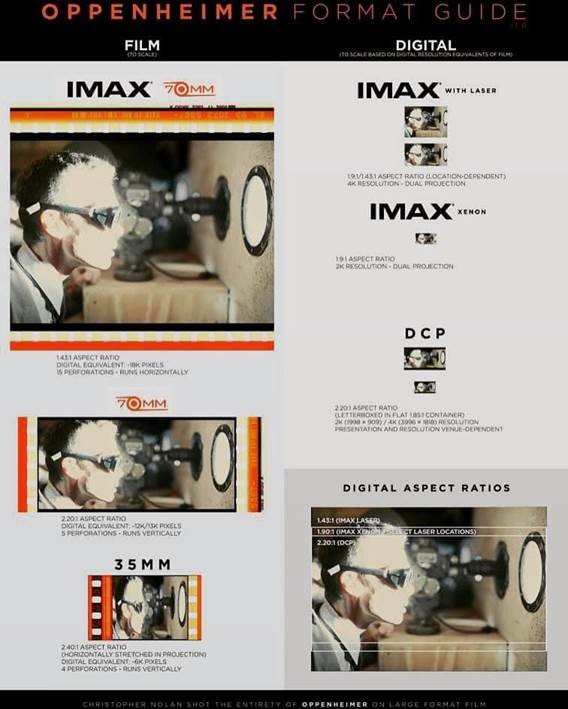
To understand the resolution of modern digital IMAX, one must first appreciate the history of 15/70mm film. For decades, IMAX was purely an analog medium. The “15/70” designation refers to 70mm wide film running horizontally through the projector, with 15 perforations per frame. This format is massive compared to standard 35mm film, which is typically projected vertically.
The Equivalent Pixel Count of 70mm Film
In terms of digital resolution equivalents, 15/70mm IMAX film is often cited as having a resolution capability of roughly 12K to 18K. Because film does not have “pixels” in the digital sense, but rather chemical grains that respond to light, it provides an organic level of detail that remains the gold standard for large-format cinematography. When a film is captured on 65mm or 70mm IMAX cameras and projected in a true 15/70mm theater, the level of clarity, color depth, and dynamic range far exceeds what is currently achievable in most standard commercial digital cinemas.
The Difference Between DMR and Native IMAX
IMAX developed a process called Digital Media Remastering (DMR) to take standard 35mm or digitally captured movies and prepare them for giant screens. DMR involves cleaning up the image, enhancing contrast, and sharpening details to ensure that a non-native IMAX movie doesn’t appear blurry when blown up to eight stories high. While impressive, DMR is a post-processing technique, not a native resolution increase. True “IMAX Resolution” is only fully realized when the movie is captured using IMAX-certified cameras, which utilize sensors or film stocks designed to resolve vastly more information than a standard cinematic camera.
Digital IMAX: Defining the 2K and 4K Standard
As the industry transitioned to digital projection, IMAX had to adapt its technology to maintain its immersive reputation. This shift introduced a tiered system of digital projection that often confuses the average moviegoer.
IMAX Xenon Projection
The earliest iteration of digital IMAX, still found in some theaters today, relies on dual Xenon lamp projectors. These systems are limited to 2K resolution. While the sharpness of a 2K image on an enormous IMAX screen might seem insufficient, IMAX utilizes dual-projection to increase brightness and color depth. By projecting two 2K images on top of one another, the system achieves a perception of quality that transcends a standard single-projector 2K setup. However, in terms of sheer pixel density, these theaters are significantly below the 4K standard.
IMAX with Laser: The New Benchmark
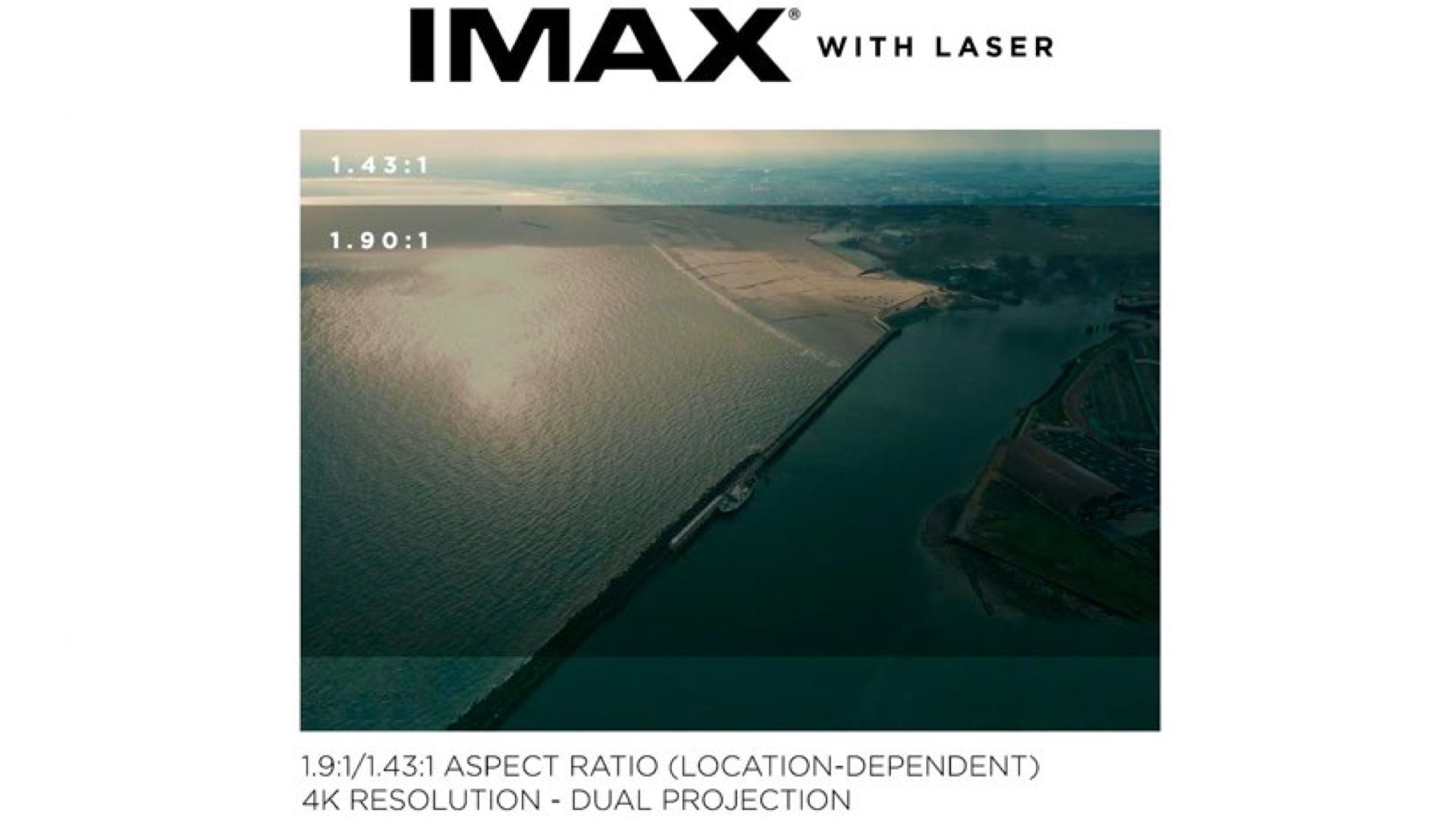
The introduction of IMAX with Laser represented a massive leap forward. Laser projection systems moved away from the aging Xenon bulb technology, utilizing blue laser light sources to achieve higher brightness, better contrast, and a wider color gamut. Most IMAX Laser systems currently in operation feature 4K projection. It is important to note that 4K in the IMAX context is often superior to 4K in a standard cinema because of the high-contrast laser engines and the proprietary post-processing that optimizes the image for the specific geometry of the IMAX auditorium.
Understanding the “Aspect Ratio” Factor
A common misconception is that resolution and aspect ratio are the same thing. In the world of IMAX, aspect ratio is perhaps even more important than the pixel count. A standard movie is typically projected in a “widescreen” format, such as 2.39:1. IMAX, however, is famous for its taller aspect ratios, such as 1.90:1 or the full-frame 1.43:1.
Why Taller Frames Matter
When a filmmaker shoots with IMAX-certified cameras, they capture more vertical image data that would otherwise be cropped out in a standard theater. If you watch a movie in a “LieMAX” or standard digital IMAX theater, you might be seeing a 1.90:1 ratio, which uses more of the screen than a standard cinema but less than the full height of a true IMAX auditorium. The “resolution” of the experience is effectively higher because the screen is physically filled with more image data.
The 1.43:1 Experience
The gold standard of the IMAX experience is the 1.43:1 aspect ratio, typically only available in theaters capable of showing 15/70mm film or dual-laser 4K digital systems. When a sequence expands to fill the entire height of the screen, the audience is receiving significantly more visual information. Even if the underlying digital file is 4K, the impact of the 1.43:1 format provides an immersive resolution experience that feels exponentially more detailed than the letterboxed version seen in a traditional theater.
The Future of High-Resolution Large Format
As we look toward the future, the resolution race in cinema is moving beyond just 4K or 8K. IMAX is currently experimenting with higher frame rates and even more advanced laser illumination.
Brightness and Contrast vs. Pixel Count
The technical team at IMAX has long argued that perceived resolution is as much about contrast and brightness as it is about individual pixels. A 4K image with incredible dynamic range—where the blacks are deep and the highlights are blindingly bright—often looks sharper to the human eye than an 8K image with poor contrast. This is why IMAX Laser systems are so effective; they rely on a proprietary optical engine that produces a contrast ratio significantly higher than any standard commercial projector.
Will We See 8K IMAX?
While 8K sensors exist, the bottleneck remains the distribution and projection chain. Projecting 8K at the scale required for a 60-foot screen is a monumental engineering challenge. Currently, the industry standard is coalescing around 4K as the “sweet spot” for digital projection. However, IMAX continues to refine its “4K Laser” technology to handle higher bitrates and HDR (High Dynamic Range) metadata, ensuring that even if the pixel count remains at 4K, the fidelity of that image continues to improve through better data handling and light precision.
Conclusion: How to Identify True IMAX Quality
When you are deciding which theater to visit, the “resolution” of the screen is only one part of the equation. To find the highest quality experience, look for theaters that advertise “IMAX with Laser” or, better yet, “IMAX 70mm Film.”
If you are a fan of high-resolution digital media, look for the technical specs of the specific theater. Avoid theaters that rely on legacy Xenon 2K systems if you want the crispest possible image. Instead, seek out screens that support the 1.43:1 aspect ratio and 4K Laser projection. Ultimately, the “resolution” of IMAX is not a fixed number—it is a fluctuating value dictated by the camera used, the projection system installed, and the physical constraints of the auditorium itself. When these three elements align, IMAX provides a level of visual fidelity that remains unrivaled in the consumer space, standing as the definitive destination for high-end digital cinematography.
aViewFromTheCave is a participant in the Amazon Services LLC Associates Program, an affiliate advertising program designed to provide a means for sites to earn advertising fees by advertising and linking to Amazon.com. Amazon, the Amazon logo, AmazonSupply, and the AmazonSupply logo are trademarks of Amazon.com, Inc. or its affiliates. As an Amazon Associate we earn affiliate commissions from qualifying purchases.