
For brands and marketing strategists operating within the Australian landscape, the shifting religious demographic is not merely a sociological curiosity; it is a critical data point for segmentation, cultural relevance, and community engagement. As Australia transitions into an increasingly secular society, brands must navigate the nuances of faith, heritage, and value-based consumerism to maintain authentic connections with a diverse audience. Understanding the “religion in Australia” landscape is essential for crafting a brand strategy that resonates with the values of a pluralistic, multicultural nation.
The Shift Toward Secularization: Implications for Brand Strategy
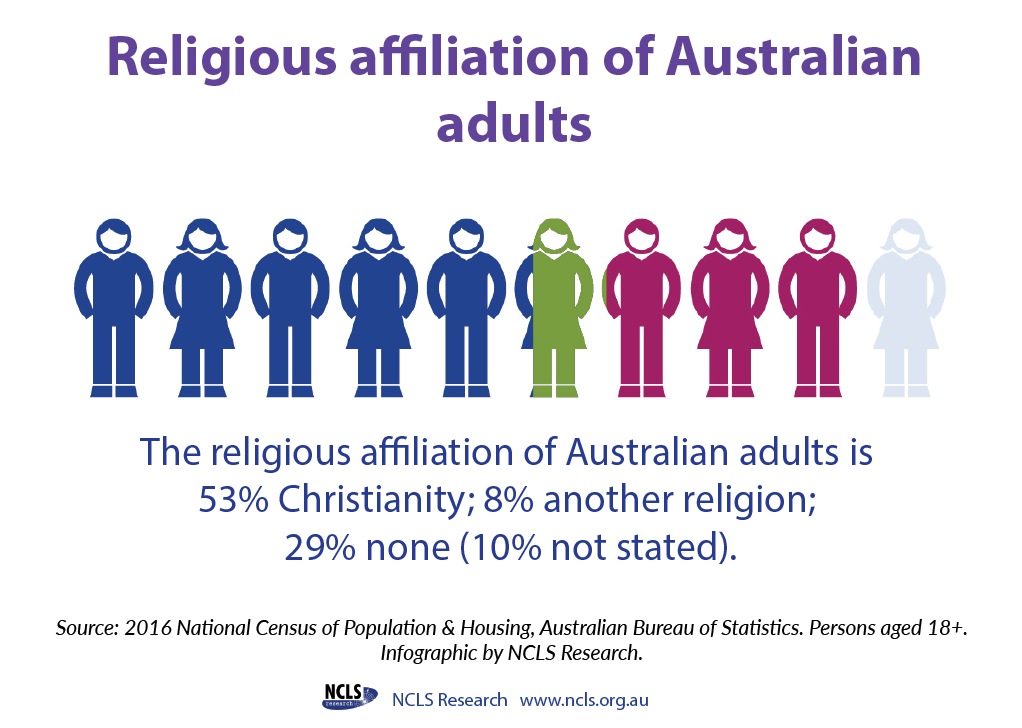
The most significant trend in Australian demographic data over the last two decades is the rise of the “No Religion” category. According to recent census data, a substantial portion of the population now identifies as having no religious affiliation. For marketers, this shift represents a departure from traditional community-based target demographics.
Navigating the “No Religion” Market Segment
When a brand ignores the rise of the secular population, it risks appearing out of touch with the modern Australian identity. Marketing strategies that rely on traditional religious cues or calendar-based cultural norms may inadvertently alienate this growing segment. Conversely, secular-focused branding often emphasizes individualism, scientific rationalism, and egalitarianism. To capture this market, brands should pivot toward value-based positioning—connecting with consumers through shared ethics, sustainability, and transparency rather than legacy religious identity.
Maintaining Cultural Inclusivity
Despite the rise of secularism, Australia remains home to a vibrant tapestry of religious communities, including significant populations of Christians, Muslims, Hindus, and Buddhists. Brand strategy in Australia must therefore balance secular outreach with localized respect for religious nuances. This is not about “targeting” religion, but rather about “respecting” the diverse cultural fabric that influences purchasing behavior, holiday spending, and social influence.
Faith-Based Consumerism and Brand Loyalty
Religious identity often influences consumer behavior, particularly in areas like dietary choices, ethical consumption, and community participation. Brands that acknowledge these nuances—whether through Halal certification, the celebration of Diwali, or support for community-driven welfare initiatives—often see higher levels of brand loyalty and trust.
The Role of Corporate Social Responsibility (CSR)
Many religious groups in Australia operate deep-rooted charitable arms. Brands that align their CSR initiatives with these communities create natural conduits for trust. By partnering with community-based organizations that have religious foundations, corporations can effectively demonstrate a commitment to local values. This approach is highly effective in multicultural urban centers like Western Sydney or Melbourne’s northern suburbs, where religious identity is inextricably linked to neighborhood social capital.

Ethical Branding and Value Alignment
Consumers across all religious—and non-religious—spectrums are increasingly prioritizing ethical brand behavior. A brand that stands for fair trade, environmental stewardship, or social justice creates a “secular morality” that transcends religious lines. This is the ultimate brand strategy for the Australian market: creating a unifying purpose that appeals to the diverse, and often differing, moral compasses of the Australian consumer.
Marketing in a Multicultural, Multi-Faith Environment
Australia’s unique history of immigration means that religious identity is often tied to ethnic heritage. For a brand, this requires a delicate touch in creative direction and messaging. The key is to avoid tokenism while acknowledging the cultural significance of religious observance in the daily lives of target audiences.
Precision Targeting and Data Ethics
Using religious data for marketing purposes requires extreme caution and a sophisticated grasp of data ethics. While platforms allow for interests-based targeting, aggressive segmentation based on religious identity can be perceived as intrusive or manipulative. A more effective strategy is to leverage “lifestyle clusters.” Instead of targeting a specific religious group, target the lifestyle behaviors, cultural interests, and community engagement patterns that align with that demographic.
Localized Design and Visual Identity
Visual branding should reflect the diversity of the Australian public without relying on stereotypes. Authentic representation in advertising—featuring diverse families, community gatherings, and cultural milestones—builds trust. Brands that celebrate a wide range of cultural and religious festivals (e.g., Eid, Christmas, Hanukkah, Vesak) move away from being viewed as “outsider” entities and become part of the Australian cultural tapestry.
Future-Proofing Brands Through Cultural Intelligence
As the religious and secular landscape in Australia continues to evolve, the brands that win will be those with high “cultural intelligence.” This is the ability to adapt to changing social norms while maintaining a consistent brand identity.
Monitoring Demographic Trends
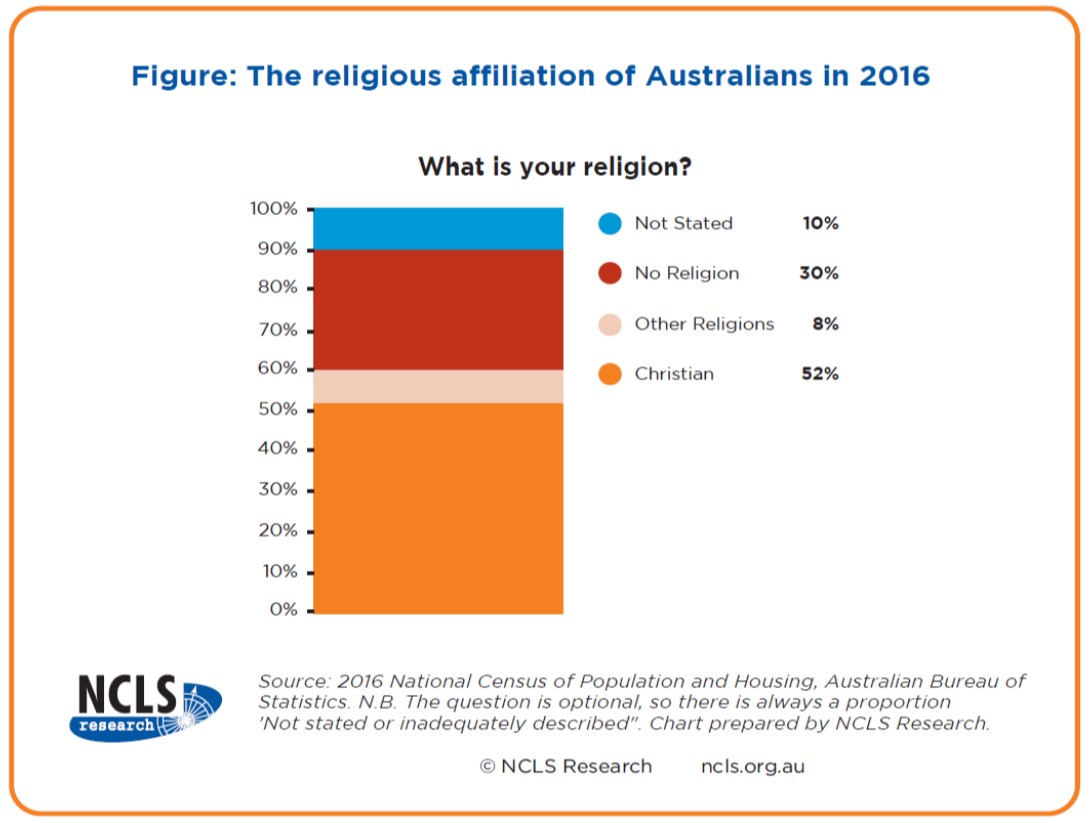
Brands should view census data not as a static report, but as a dynamic reflection of their customer base. As the population becomes more diverse and simultaneously more secular, the “typical Australian consumer” becomes a moving target. Ongoing market research that tracks these shifts is no longer optional; it is a fundamental component of strategic planning.
The Power of Empathy in Branding
Ultimately, the relationship between religion and commerce in Australia is a question of human connection. Empathy is the cornerstone of modern brand strategy. When a brand demonstrates an understanding of the diverse ways Australians find meaning—whether through their faith, their community service, or their commitment to a secular lifestyle—it builds a deeper emotional connection.
In conclusion, for those managing brand strategy in the Australian market, the “religion” question is an invitation to deepen engagement. By moving beyond binary thinking—secular versus religious—and toward an inclusive, values-based model, brands can navigate the complex Australian marketplace with agility and authenticity. The goal is to build a brand that is large enough to encompass the vast diversity of the Australian experience, yet personal enough to resonate with the individual, regardless of their path to finding meaning.
aViewFromTheCave is a participant in the Amazon Services LLC Associates Program, an affiliate advertising program designed to provide a means for sites to earn advertising fees by advertising and linking to Amazon.com. Amazon, the Amazon logo, AmazonSupply, and the AmazonSupply logo are trademarks of Amazon.com, Inc. or its affiliates. As an Amazon Associate we earn affiliate commissions from qualifying purchases.