
The Branding of National Identity and Religious Narrative
When analyzing the modern state of Egypt through the lens of brand strategy, one must look beyond the surface-level demographics and understand how “The Nation” functions as a cohesive, long-standing brand identity. While international inquiries often fixate on the statistical distribution of religious adherence—predominantly Islam with a significant Coptic Christian minority—the strategic question for stakeholders, marketers, and cultural observers is how these identities integrate into a singular, recognizable national brand.
Egypt possesses one of the world’s most potent “brand assets”: its history. Whether an audience views the country through the lens of Ancient Pharaonic civilization, Islamic architecture, or modern tourism, the brand identity of Egypt is built on a foundation of endurance. In branding terms, the religious landscape of Egypt is not merely a demographic data point; it is a core value proposition that dictates how the nation communicates its culture, ethics, and societal norms to the global market.
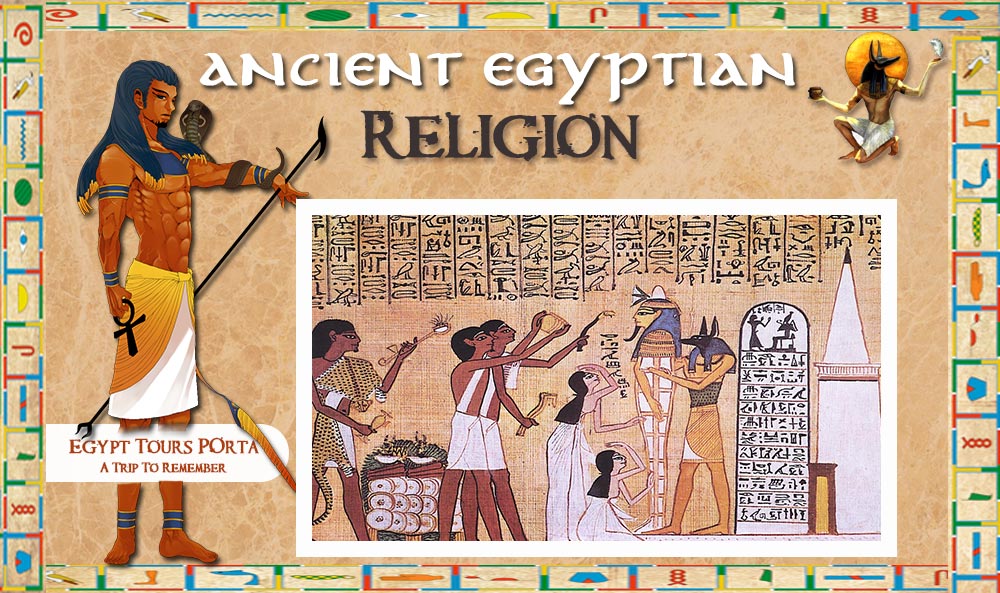
Strategic national branding requires consistency. Egypt’s identity is characterized by a “Dual-Heritage Narrative.” By balancing the deep-rooted Islamic cultural framework with its immense Pharaonic and Christian history, the nation effectively creates a multi-layered brand. For global investors and partners, understanding this religious demographic is an exercise in cultural due diligence—a necessary step in ensuring that brand communications are respectful, resonant, and effective.
Segmenting the Audience: Understanding Demographic Brand Loyalty
In any market research project, segmenting your audience is the primary step toward effective positioning. Egypt’s demographic landscape, which is approximately 90% Muslim and 10% Christian, provides a clear roadmap for how messages should be tailored. For global corporations looking to enter the Egyptian market, this is not just about religious belief; it is about lifestyle, consumption patterns, and social behavior.
The Role of Islamic Finance and Corporate Ethics
The vast majority of the population follows Islamic principles, which creates a distinct “Market Persona.” For financial institutions, this means the integration of Sharia-compliant products is not an elective feature but a core requirement for mass-market penetration. When a company aligns its financial offerings with the ethical frameworks valued by the majority, it builds trust—the most valuable currency in any brand strategy.
The Coptic Influence and Cultural Diversity
The Coptic Christian community represents a significant, long-standing pillar of the Egyptian brand. Strategically, this segment adds a dimension of historical depth and cultural nuance that differentiates Egypt from other nations in the Middle East and North Africa. For brands aiming to capture a broader audience, recognizing this dual-religious tapestry allows for inclusive marketing campaigns that celebrate the collective heritage of the nation rather than focusing on divisions.
Strategic Positioning: Navigating Cultural Sensitivity in Global Marketing
Operating in a country with a deeply ingrained religious identity requires a high level of “Brand EQ” (Emotional Intelligence). A brand strategy that fails to account for the religious customs of Egypt is a strategy destined for public relations friction. Whether it is an international retail chain launching a collection or a digital platform scaling its services, the “Egypt Strategy” must be built on the pillars of cultural humility and localized messaging.
Timing as a Marketing Variable
In Egypt, the religious calendar dictates the rhythm of the economy. Branding strategies must account for the month of Ramadan, a period of distinct consumer behavior, introspection, and heightened community engagement. Successful brands do not view this period as a “down-time” but as an opportunity for purposeful brand building. By tailoring campaigns that emphasize family, generosity, and tradition, companies can earn high levels of brand loyalty that survive well beyond the religious observance period.
Communication Aesthetics and Symbolic Branding
Visual language is a crucial component of any marketing strategy. In Egypt, brands must be mindful of how symbols, colors, and imagery are interpreted. A design that works in a secular Western market may feel cold or disconnected in Cairo. By incorporating elements of the local artistic heritage—ranging from intricate Islamic geometry to traditional motifs—brands can signal that they understand and value the cultural context. This “Localization of Visual Assets” is a standard practice for Fortune 500 companies that have successfully established themselves in the Egyptian market.
The Future of the National Brand: Digital Transformation and Traditional Values
As Egypt moves toward a digital-first economy, the intersection of traditional religious values and modern digital technology presents an interesting case study for brand identity. The Egyptian consumer is increasingly tech-savvy, yet their loyalty to domestic traditions remains steadfast. This phenomenon, often referred to as “Digital Traditionalism,” is where the most successful modern brands are positioning themselves.
Trust-Based Marketing in a Connected Era
In an era of artificial intelligence and automated marketing, the human element remains paramount. The Egyptian consumer values the “human connection” in business transactions. A brand strategy that leverages AI for efficiency but maintains a human-centered approach in customer service will naturally outperform its competitors. This mirrors the cultural expectation of hospitality and personal relationship-building that is central to the Egyptian way of life.
Sustainable Branding and Social Responsibility
Corporate Social Responsibility (CSR) in Egypt is most effective when it aligns with the values of the community. Projects that support local heritage, religious architecture, or educational initiatives are viewed with higher levels of approval than generic global charity campaigns. For a company seeking to build a long-term presence, anchoring the brand in the local reality—respecting the religious and historical legacy—is the surest way to gain a “local” status in the eyes of the consumer.

Synthesizing Brand Strategy with Cultural Reality
What religion do Egyptians practice is a question that, when answered with sophistication, reveals the blueprint for successful brand operations in the region. By recognizing the predominance of Islam and the integral role of the Coptic community, businesses can refine their approach from a “one-size-fits-all” model to a “bespoke cultural engagement” strategy.
The Egyptian market is not a monolith; it is a vibrant, evolving landscape that rewards those who take the time to learn the language of its people—both figuratively and literally. Successful branding in Egypt requires a blend of respect for traditional institutions and an eagerness to participate in the nation’s future trajectory.
As we look at the evolution of national branding, Egypt serves as a prime example of how history and belief systems can be synthesized into a compelling modern identity. For investors, marketers, and corporate leaders, the takeaway is clear: success is found at the intersection of local reverence and global competence. By honoring the religious and cultural pillars that support the national identity, brands can build more than just a presence in Egypt—they can build a legacy.
In conclusion, the religious landscape of Egypt is not a barrier to business; it is a fundamental pillar of the social architecture. To engage with the market, one must engage with the culture. The brands that achieve sustained success are those that view the religious and cultural environment as a foundational element of their brand story, ensuring that every product, advertisement, and corporate decision reflects an understanding and appreciation of the Egyptian experience.
aViewFromTheCave is a participant in the Amazon Services LLC Associates Program, an affiliate advertising program designed to provide a means for sites to earn advertising fees by advertising and linking to Amazon.com. Amazon, the Amazon logo, AmazonSupply, and the AmazonSupply logo are trademarks of Amazon.com, Inc. or its affiliates. As an Amazon Associate we earn affiliate commissions from qualifying purchases.