
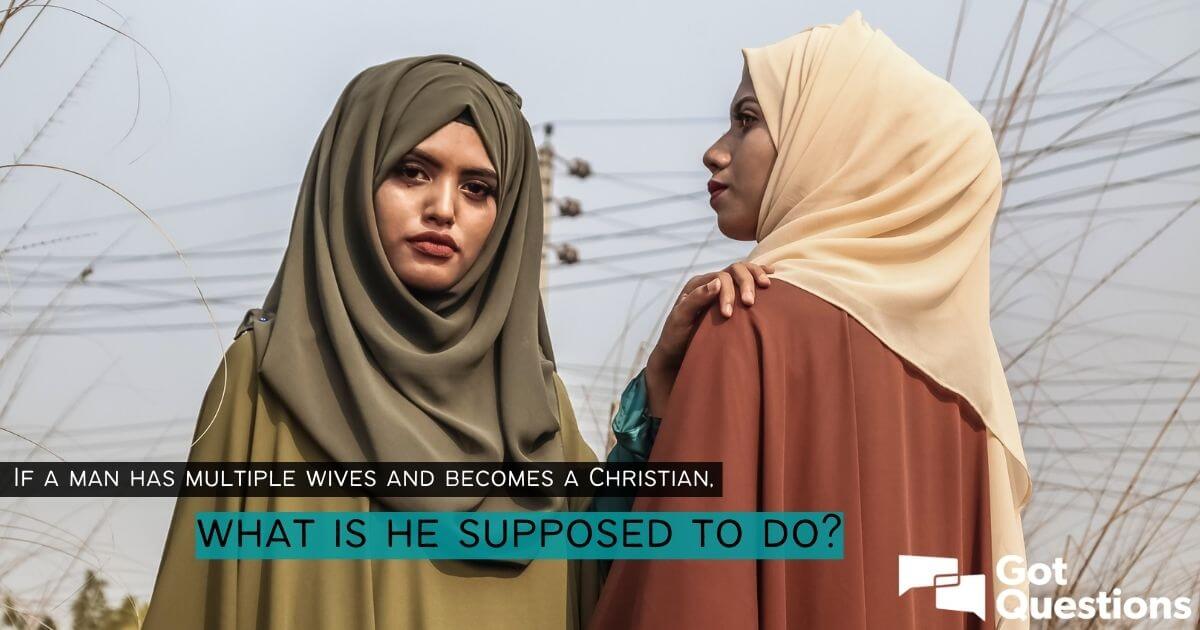
Polygyny, the practice of a man having multiple wives simultaneously, has historically existed across various cultures and religious frameworks. While often analyzed through anthropological, sociological, or theological lenses, the practice carries profound economic consequences. When viewed through the prism of personal finance and business structure, the establishment of a multi-spouse household creates a complex economic ecosystem. Understanding the financial reality of this practice requires moving beyond cultural sentiment and examining the tangible costs of housing, legal liabilities, asset management, and estate planning.
The Micro-Economics of Household Management
Managing a multi-spouse household introduces complexities far beyond those found in monogamous domestic units. From a financial perspective, the primary challenge is the scaling of living expenses and the allocation of finite resources.
Scaling Consumption and Resource Allocation
In standard economic models, households benefit from economies of scale. However, polygyny forces a specific bifurcation of these benefits. Each spouse represents a distinct node of consumption, requiring dedicated living space, personal assets, and individual insurance policies. When one breadwinner supports multiple partners, the household must adopt rigorous budgeting frameworks to ensure equitable distribution. Failure to manage these inputs often leads to inflationary personal spending, where the lack of centralized financial oversight results in unsustainable debt.
Insurance and Risk Management
The financial sector is structured almost exclusively around monogamous legal frameworks. Insurance companies, for example, build actuarial tables based on the assumption of one primary spouse. For an individual in a polygynous arrangement, securing adequate life insurance, health coverage, and liability protection becomes a logistical hurdle. Often, the breadwinner must structure separate policies, which significantly increases premium costs compared to the consolidated “family plan” standard. Failure to navigate these insurance gaps can leave vulnerable household members without protection in the event of disability or death, representing a massive financial risk.
Legal Liabilities and Asset Protection
The intersection of religious practice and civil law creates a minefield for personal finance. In most Western jurisdictions, polygamy is not legally recognized, which renders secondary marriages void in the eyes of the tax authority and the court system.
The Tax Implications of Unrecognized Unions
In many countries, tax codes provide substantial benefits to married couples, such as joint filing status and tax-advantaged transfers of wealth. A practitioner of polygyny who is only legally married to one spouse—or none, if common-law rules apply—loses these benefits entirely. This creates a “tax penalty” for the household, as income is often taxed at the individual rate without the ability to split income across multiple tax entities or leverage marital deductions. The financial strategy for such a household must therefore focus heavily on corporate structuring to mitigate these tax inefficiencies.

Property Rights and Estate Challenges
Without legal recognition of secondary unions, property rights are dangerously precarious. If a primary asset—such as a family home—is titled only in the name of the legal spouse, other partners remain legally unprotected. In the event of death or dissolution, these partners may have no claim to the assets they helped cultivate. Professional financial planning in these contexts requires the aggressive use of trusts, LLCs, and formal partnership agreements. By treating the household as a business entity rather than a traditional family unit, practitioners can attempt to safeguard assets, though this carries high legal overhead costs.
Business Finance and Estate Continuity
When personal and religious practices bleed into business finance, the risk to capital increases. Many practitioners of polygyny maintain strong family-run business operations, but the lack of formal marital recognition complicates the transfer of power and wealth.
Succession Planning in Complex Structures
In a standard business context, succession planning is dictated by clear legal guidelines regarding marital assets. In a polygynous structure, the absence of these protections necessitates complex estate planning. Without a meticulously drafted will, trust, or buy-sell agreement, the death of the family patriarch can lead to catastrophic litigation. If the business is not clearly partitioned, external creditors or estranged heirs can easily seize assets. Financial advisors often recommend converting the family business into a multi-member LLC where each wife holds equity in exchange for operational roles. This protects the business from personal liability and ensures that individual spouses have a defined financial stake in the enterprise.
Banking and Credit Challenges
Financial institutions rely on strict KYC (Know Your Customer) and anti-money laundering regulations. A household that funnels income from a single source into multiple, disparate accounts linked to partners who are not legally recognized can trigger red flags in banking software. To maintain financial mobility, such households must maintain high transparency. Often, this requires creating a central treasury—a family office model—where one holding company manages the cash flow and pays out distributions to individual members. This centralized financial control is not just a preference; it is a necessity for maintaining banking relationships in an environment where the internal structure of the household is not traditionally recognized.
Strategic Financial Planning for Long-Term Stability
Achieving financial stability in a non-traditional living arrangement requires a radical departure from conventional personal finance advice. The household must function more like a corporation than a family.
Capitalizing on Multi-Income Streams
One potential financial advantage of polygyny is the ability to pool labor resources. If multiple spouses are involved in income-generating activities, the household can build a diversified revenue base. The key to success is the segregation of business finance from domestic spending. When all household members are productive participants in an economic network, the household achieves higher levels of resilience against market downturns. Financial stability is only reached, however, when this network is governed by clear, contract-based agreements that define ownership, contributions, and equity splits.

Retirement and Long-Term Investing
Retirement planning for a polygynous household is exponentially more difficult than for a monogamous one. With a single breadwinner, the burden of funding the retirement of multiple partners falls on one retirement portfolio. This requires a significantly higher savings rate—often exceeding 30-40% of household income—to account for the longevity and health needs of the entire group. Practitioners must utilize diversified investment vehicles, such as index funds and real estate, that provide passive income. The strategy must move away from personal 401(k) limits, which are insufficient, toward corporate-sponsored pension structures or diversified holdings that can sustain the entire household’s needs indefinitely.
Ultimately, while the religious freedom to practice polygyny is a matter of belief, the sustainability of the practice is strictly a matter of financial discipline. Without the legal scaffolding of traditional marriage, the household must be built on the bedrock of rigorous accounting, corporate-grade legal protection, and a commitment to long-term asset management. Those who fail to treat their lifestyle as a high-stakes financial enterprise often find that the emotional or religious motivations are quickly undermined by the harsh, mathematical realities of insolvency and legal vulnerability. The “cost” of the lifestyle is not just the immediate expense of maintaining multiple households, but the ongoing, high-level management of financial risk in a world that is not designed to support such complex social structures.
aViewFromTheCave is a participant in the Amazon Services LLC Associates Program, an affiliate advertising program designed to provide a means for sites to earn advertising fees by advertising and linking to Amazon.com. Amazon, the Amazon logo, AmazonSupply, and the AmazonSupply logo are trademarks of Amazon.com, Inc. or its affiliates. As an Amazon Associate we earn affiliate commissions from qualifying purchases.