
In the sprawling cinematic universe of Star Wars, few characters have achieved the iconic status of Darth Maul. Beyond his narrative impact, Maul represents a masterclass in visual branding and character-driven identity. From a marketing perspective, the evolution of Maul across multiple films and mediums serves as a primary case study in how to maintain brand consistency while adapting to new narrative environments. This analysis explores how the deliberate construction of his aesthetic and the strategic deployment of his appearances have solidified his position as a core asset in the Lucasfilm intellectual property portfolio.

The Architecture of a Visual Brand: First Impressions and Iconography
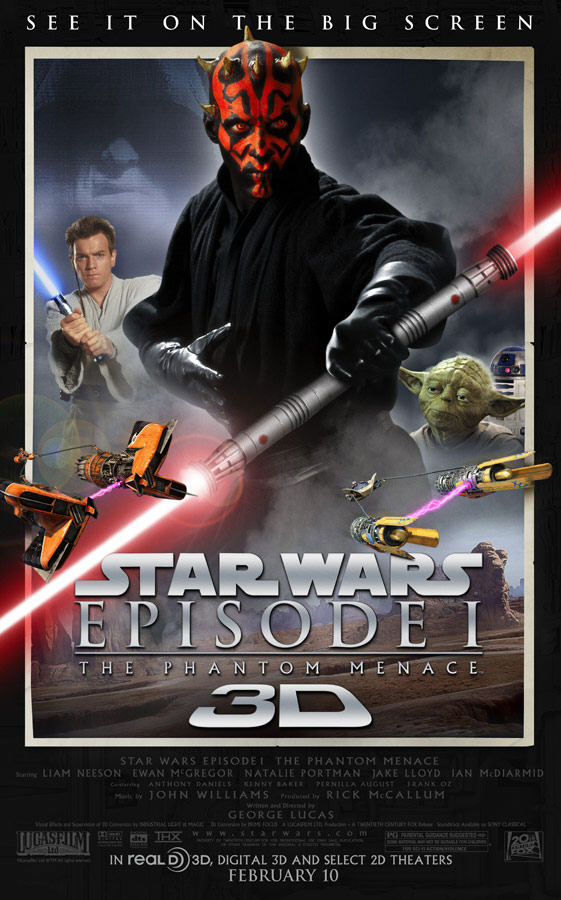
When Darth Maul debuted in Star Wars: Episode I – The Phantom Menace (1999), the film faced the monumental task of introducing a new antagonist who could carry the weight of legacy villains like Darth Vader. The success of the character did not rely on complex dialogue or extensive backstories; rather, it relied on a rigid, highly recognizable visual identity that immediately communicated threat, mystery, and tactical prowess.
The Power of Geometric Design
The character design utilizes high-contrast, aggressive patterns—specifically the red and black Zabrak tattoos and the horn-crowned visage—to convey intent without words. In branding terms, this is a classic execution of “distinctive assets.” By creating a look that is instantly identifiable from a distance, the creative team ensured that Maul would function as a memorable, marketable icon. When consumers see that specific color palette and facial structure, the association with lethal intensity is instantaneous. This is the hallmark of effective brand identity design: clarity, consistency, and immediate emotional signaling.
Silence as a Strategic Messaging Tool
In The Phantom Menace, Maul speaks fewer than five lines. From a brand strategy standpoint, this was a calculated risk that paid dividends. By limiting his vocal presence, the character’s brand remained “mysterious” and “formidable.” In corporate communications, silence is often an overlooked tool; when a brand over-communicates, it risks dilution. By maintaining a silent, focused presence, Maul’s “brand voice” became one of action and lethality, which proved more resonant than the loquacious villainy seen in other franchise archetypes.
Recontextualizing the Asset: Evolution Across Multiple Mediums
One of the most fascinating aspects of Darth Maul’s history is his survival and transition from a cinematic antagonist to a multi-platform character. This transition highlights the agility of a strong brand identity. While he was a singular cinematic event in 1999, his later appearances in Solo: A Star Wars Story (2018) prove that an iconic character can be re-integrated into new narrative “markets” without losing its core value.
Consistency Through Narrative Arc
The return of Darth Maul in Solo demonstrates the importance of continuity management. Even after a significant gap in production time, the core attributes of the character remained intact. Whether he is appearing in an animated series, a video game, or a live-action spinoff, the brand essence—a relentless, vengeance-driven warrior—remains the anchor. For businesses, this serves as a lesson: internal organizational changes or shifts in the market do not necessitate a complete rebrand. Instead, they require the intelligent re-positioning of core brand assets to suit contemporary environments.
Cross-Media Synergy and Brand Equity
Maul’s presence in various mediums has done more than just keep the character relevant; it has expanded his “brand equity.” Every appearance reinforces the consumer’s emotional connection to the Star Wars universe. By strategically placing the character in different films and series, the brand managers ensured that Maul remained a touchstone for cross-generational audiences. This cross-pollination of content is a vital strategy for long-term brand health. It turns a one-off character into a multi-generational icon, ensuring that new audiences encounter the legacy of the character while existing fans are rewarded with narrative expansion.
The Psychology of the Antagonist: Lessons in Perceived Value
The sustained popularity of Darth Maul despite his relatively limited screen time in live-action films offers a profound lesson in perceived value. In marketing, the “Scarcity Principle” suggests that items (or characters) become more desirable when they are limited. Maul’s appearances are often short, sharp, and high-impact, preventing “character fatigue.”
High-Impact vs. High-Volume
Many brands fall into the trap of over-saturation, flooding the market with content in an attempt to maintain visibility. Darth Maul represents the opposite philosophy: high-impact visibility. Because his appearances are curated and significant, each one feels like an “event.” This is a sophisticated approach to brand management. By controlling the frequency of exposure, the creators maintained a high level of prestige for the character. In professional brand strategy, this is the difference between a mass-market commodity and a luxury, high-value brand asset.
Building Emotional Resonance through Conflict
A character’s brand is often defined by the strength of the resistance they offer. Maul’s brand identity is inextricably linked to his role as a disruptor of the Jedi status quo. By positioning him as a persistent obstacle to the heroes, his perceived value increases. Businesses can learn from this by analyzing the “antagonists” within their own industries—the market challenges, the disruptors, and the competitive pressures. Just as Maul defines the heroism of the Jedi by testing them, a brand defines its own resilience by how it handles the challenges of its market environment.
Legacy and Future-Proofing: Maintaining Brand Longevity
As the Star Wars franchise continues to evolve, the case of Darth Maul serves as a blueprint for long-term IP maintenance. The ability to take a character created in 1999 and keep him culturally relevant decades later is no accident. It is the result of disciplined adherence to a core visual and behavioral brand guide.
The Role of Aesthetic Guardrails
Every time Darth Maul appears on screen, his design adheres to strict aesthetic guidelines. These “brand guardrails” ensure that he never feels like a caricature of himself. For corporate branding, establishing such guidelines is essential. Whether a firm is managing a product logo or a personality brand, the consistency of visual presentation is what builds trust with the audience. When a brand begins to deviate from its established identity, it loses the “readability” that fans or customers rely on to form a connection.

Adapting to the Digital Era
The longevity of the Maul character has been bolstered by the digital age, where fans can endlessly analyze his fights, his design, and his narrative arc across wikis, forums, and social media. His “brand” now exists in the collective consciousness of his audience, facilitated by digital platforms. For modern brands, the lesson is clear: your audience is a co-creator of your brand story. By providing a stable, high-quality foundation—a “Darth Maul” if you will—you empower your audience to take that brand into the digital space, fostering a level of engagement and loyalty that traditional advertising simply cannot replicate.
In conclusion, the inquiry into which movies Darth Maul is in leads to a broader discovery of how legendary brands are built and sustained. He is not merely a character in a series of films; he is a masterclass in identity consistency, strategic scarcity, and narrative adaptation. By analyzing his trajectory from The Phantom Menace to his more recent appearances, we see that the most enduring brands are those that understand the value of a singular, powerful identity, and the wisdom to protect that identity while allowing it to thrive in new and challenging environments.
aViewFromTheCave is a participant in the Amazon Services LLC Associates Program, an affiliate advertising program designed to provide a means for sites to earn advertising fees by advertising and linking to Amazon.com. Amazon, the Amazon logo, AmazonSupply, and the AmazonSupply logo are trademarks of Amazon.com, Inc. or its affiliates. As an Amazon Associate we earn affiliate commissions from qualifying purchases.