
The cinematic landscape of 2017 serves as a masterclass in modern brand strategy and the evolution of the blockbuster business model. While audiences remember the year for specific releases, media strategists analyze it as a pivot point where established franchises, intellectual property (IP) management, and digital marketing began to dictate the financial success of Hollywood more than ever before. Understanding the 2017 movie slate is essentially an exercise in corporate brand positioning, audience segmentation, and the high-stakes game of global franchise expansion.
The Power of Established Brand Equity: The Disney Dominance
In 2017, the most successful films were not merely “movies”; they were fully realized brand ecosystems. The Walt Disney Company’s performance that year exemplified the ultimate goal of corporate branding: creating a recurring, predictable revenue stream through the systematic cultivation of multi-generational IP.

The Franchise Refresh Strategy
The year was defined by the release of Star Wars: The Last Jedi and Beauty and the Beast. These were not just standalone films; they were brand extensions designed to satisfy legacy fanbases while simultaneously recruiting a new generation of consumers. By analyzing the marketing rollout for Beauty and the Beast, we see a deliberate strategy of leveraging nostalgia as a core marketing pillar. The brand team successfully positioned the live-action remake as a “prestige event,” effectively upgrading the equity of an existing asset without diluting its historical value.
Consistency in Corporate Identity
Disney’s success in 2017 relied heavily on visual consistency and cross-channel marketing. Whether through merchandise, digital campaigns, or trailer releases, the branding was seamless. From a strategy perspective, this demonstrated the importance of a unified corporate identity. Every touchpoint—from the logo reveals to the social media influencer campaigns—reinforced the idea that these films were “must-see” cultural milestones, a vital tactic in an era where attention spans are increasingly fragmented.
Digital Disruption and the Shift in Marketing Channels
The 2017 cinematic year highlighted a significant shift in how studios allocate their marketing budgets. The traditional model of relying on television spots and print media began to wane in favor of hyper-targeted digital engagement.
Data-Driven Audience Targeting
Studios like Warner Bros. and Universal began utilizing sophisticated analytics to map out the demographics of their target viewers with unprecedented precision. For titles like It and Wonder Woman, the marketing strategy moved away from broad-spectrum television advertising toward data-backed digital ad placements. By identifying exactly where their core audience spent their time online—whether on platforms like Reddit, Instagram, or gaming forums—studios were able to maximize the return on ad spend (ROAS).
The Role of Social Media Influencers
2017 was the year that influencer marketing became a mandatory component of studio publicity kits. The strategic placement of cast members on YouTube talk shows or collaborative digital content with prominent internet personalities served as a proxy for traditional PR. This approach allowed studios to tap into the authentic, pre-built trust audiences had in their favorite digital creators, effectively “borrowing” that credibility to bolster the movie’s brand image before the opening weekend.
Positioning as Product: The Psychology of the “Event Film”
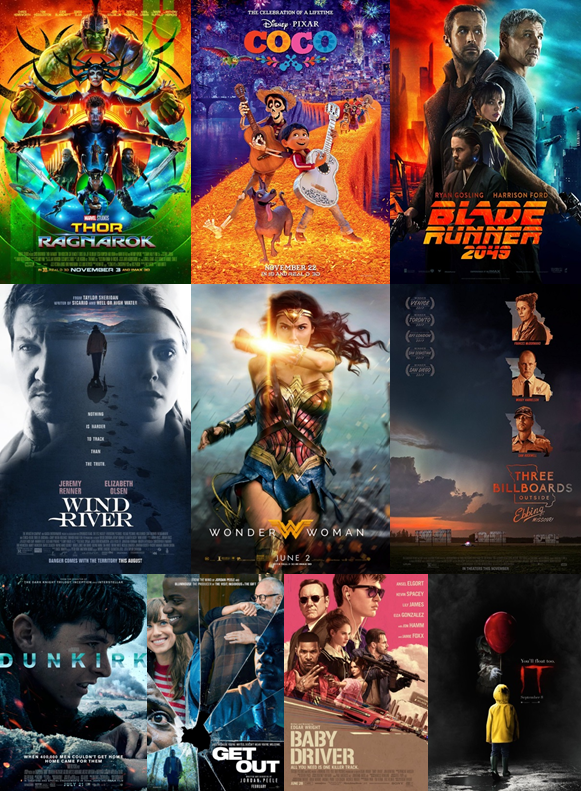
Behind every major release in 2017 was a carefully constructed positioning statement. Movie studios operate like consumer packaged goods (CPG) companies; they must differentiate their product in an oversaturated market.
Creating Perceived Value
Consider the marketing campaign for Logan. The branding team positioned the film not as a standard “superhero movie,” but as a gritty, neo-Western drama. By stripping away the typical shiny aesthetics associated with the genre and replacing them with a more mature, somber visual identity, the studio expanded its total addressable market (TAM). This strategic pivot proved that you can elevate a brand’s perceived value by repositioning it to appeal to a more discerning or “elevated” audience segment.
The Scarcity Principle in Digital Marketing
The effective use of “drops” and countdowns in the lead-up to movies like Justice League or Thor: Ragnarok utilized the psychology of scarcity. By releasing footage in stages—teaser trailers, full trailers, character posters—studios turned the pre-release process into a drip-feed of content that maintained high levels of consumer engagement. This mirrors the “hype culture” seen in the sneaker and luxury fashion industries, where the buzz surrounding the release is as critical to the financial bottom line as the product itself.
Evaluating Long-Term Brand Equity and Future Scaling
For a studio, the long-term success of a film is measured by its “franchise viability.” In 2017, the strategy was focused on sustainability. Studios were no longer just aiming for a single successful weekend; they were aiming for the creation of a “cinematic universe” capable of producing spinoffs, sequels, and merchandise lines for a decade or more.
Case Study: The “Cinematic Universe” Business Model
The success of 2017’s Marvel releases underscored the strength of the “shared universe” business model. By treating individual films as chapters in a larger corporate narrative, studios maintained constant brand relevance. This strategy ensures that the customer lifecycle—from childhood to adulthood—is captured within a single ecosystem. It is a brilliant example of long-term brand retention strategy.
The Risk of Brand Fatigue
Despite the successes of 2017, the year also served as a warning sign for over-saturation. When too many franchise films are released in close proximity, the brand equity of each individual title risks being cannibalized by the others. Strategic branding requires a delicate balance between availability and exclusivity. As we saw in 2017, the most successful brands were those that managed their “release cadence” with scientific precision, ensuring that the market never felt fully sated.
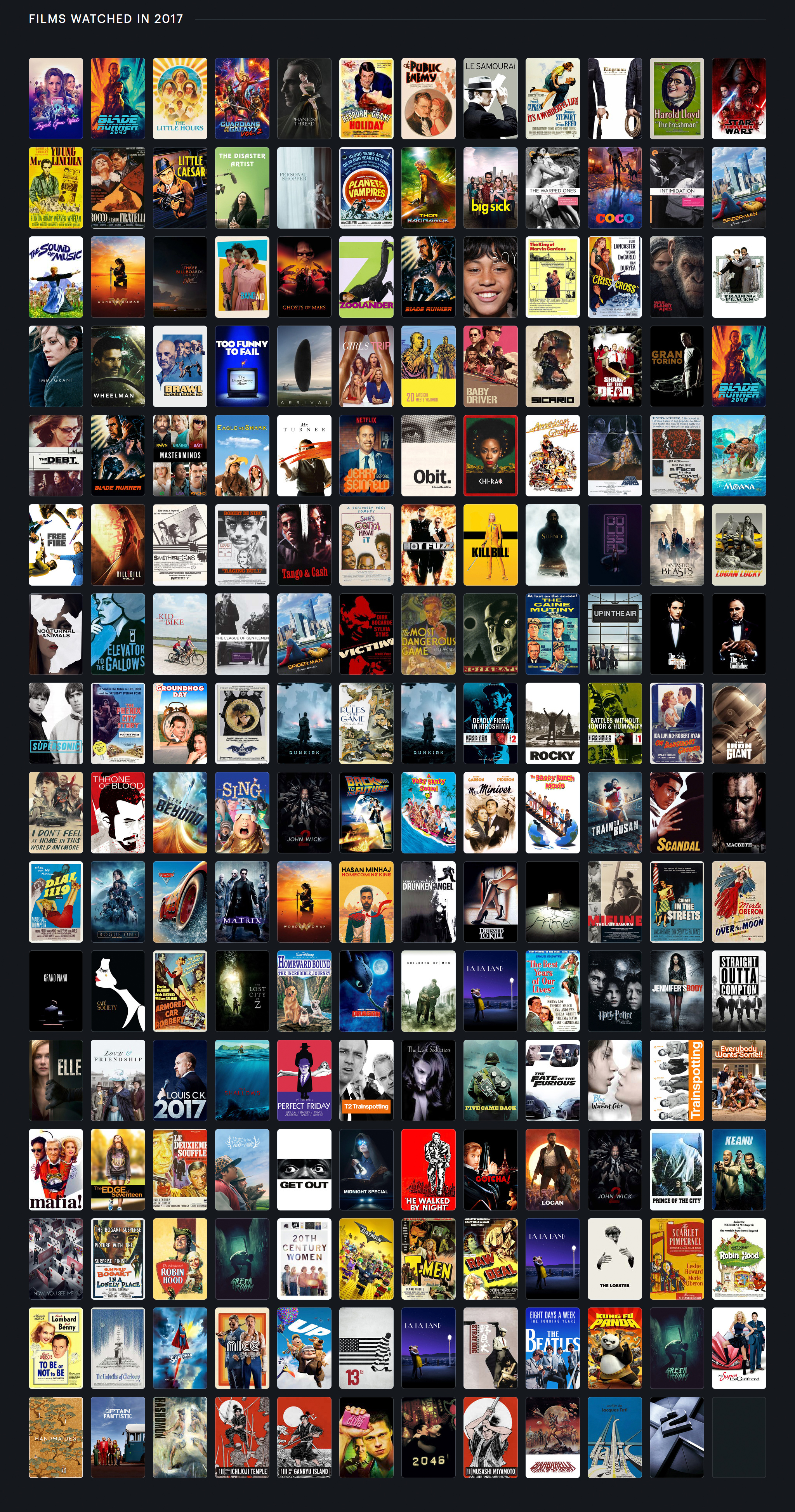
Conclusion: Strategic Takeaways from the 2017 Movie Slate
Looking back at the movies of 2017, the primary takeaway for any brand strategist or business leader is that the product is only half the battle. Whether it is a film, a software service, or a consumer product, the modern market demands a sophisticated approach to brand positioning.
The studios that thrived in 2017 were those that understood their audience’s psychographics, leveraged digital channels to create genuine anticipation, and maintained a rigid, consistent identity across every touchpoint. They transformed passive moviegoers into active brand evangelists.
In the competitive landscape of the 21st century, success is dictated by how well a brand can integrate itself into the cultural conversation. The 2017 cinema season wasn’t just a list of movies; it was a comprehensive demonstration of how to build, maintain, and scale a brand in a hyper-connected, media-saturated world. By analyzing the wins and losses of that year, businesses across all sectors can learn how to leverage narrative, digital reach, and identity to ensure their products don’t just exist in the market, but dominate it.
aViewFromTheCave is a participant in the Amazon Services LLC Associates Program, an affiliate advertising program designed to provide a means for sites to earn advertising fees by advertising and linking to Amazon.com. Amazon, the Amazon logo, AmazonSupply, and the AmazonSupply logo are trademarks of Amazon.com, Inc. or its affiliates. As an Amazon Associate we earn affiliate commissions from qualifying purchases.