
The entertainment landscape of 2016 represents a pivotal year for the film industry, marking a saturation point for franchise expansion and a strategic shift in how major studios approach the “blockbuster” business model. From a marketing and brand strategy perspective, 2016 serves as a masterclass in intellectual property (IP) management, cross-platform synergy, and the high-stakes balancing act of managing legacy franchises against the need for fresh, original narratives.
The Era of the Cinematic Universe: Brand Ecosystems in Action
In 2016, the concept of the “Cinematic Universe” moved from a burgeoning experiment to the primary engine driving global box office revenue. Major studios are no longer just selling individual films; they are building ecosystems.

Marvel’s Strategy of Narrative Continuity
Marvel Studios’ release of Captain America: Civil War exemplifies the pinnacle of brand strategy. By leveraging established character equity, Marvel creates a narrative “subscription model” where audiences feel compelled to consume every entry to maintain a comprehensive understanding of the franchise. This strategy minimizes the risk associated with individual film releases because the brand identity of the Marvel Cinematic Universe (MCU) often outweighs the specific appeal of the protagonist.
DC’s Aggressive Brand Positioning
Conversely, Warner Bros. and DC Entertainment are utilizing Batman v Superman: Dawn of Justice as a high-risk, high-reward brand launch. This film acts as a foundational asset for the DC Extended Universe (DCEU). The marketing challenge here is distinct: it involves balancing the hyper-saturated nostalgia of iconic characters with the need to establish a gritty, differentiated visual identity that stands apart from competitors. The 2016 release window is critical for establishing brand loyalty before market fatigue sets in.
Franchise Revitalization and Legacy Branding
A significant portion of the 2016 release calendar is dedicated to “legacy sequels” or the resurrection of dormant IP. This approach utilizes existing consumer sentiment to mitigate the high costs of audience acquisition for new properties.
The Return of Established Intellectual Property
Films like Ghostbusters, Independence Day: Resurgence, and Jason Bourne are strategic maneuvers in brand nostalgia. The objective is to capitalize on the generational equity of the original films. For these studios, the brand is the product. The marketing campaigns are designed to trigger emotional recognition, effectively turning 30-year-old assets into contemporary commercial drivers.
Risk Mitigation Through Recognition
When a studio greenlights a reboot, they are engaging in a calculated financial decision based on pre-existing brand awareness. In an era where digital fragmentation makes it difficult to capture consumer attention, using a brand that is already “known” reduces the marketing spend required to explain the premise of the movie. This reflects a broader trend in the entertainment industry: a move away from mid-budget original scripts toward high-budget, safe-bet franchises that come with a built-in fan base.
The Intersection of Digital Marketing and Audience Engagement
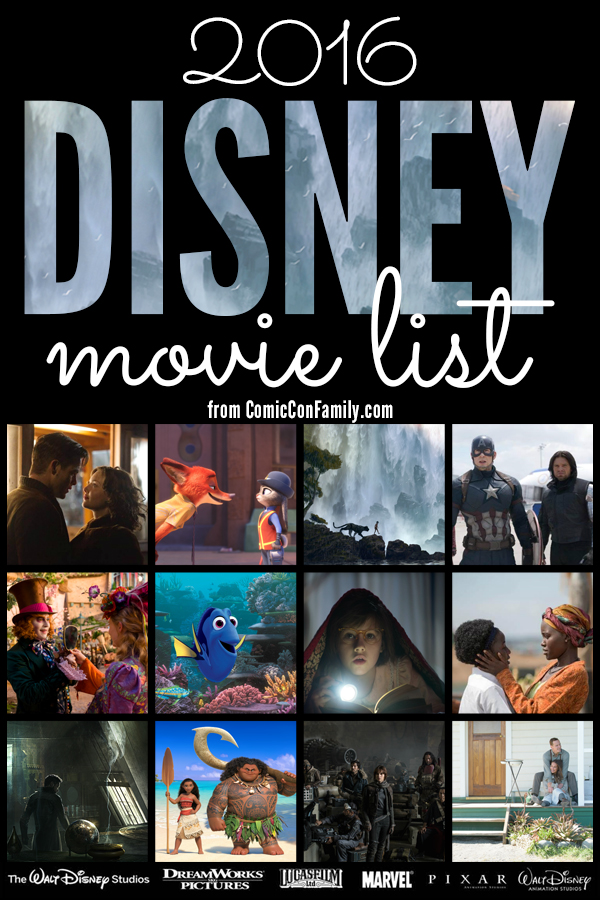
The release schedule of 2016 showcases a radical shift in how film brands interact with their audiences. The days of relying solely on traditional television spots and print billboards are over; the focus has shifted toward hyper-targeted digital engagement.
Data-Driven Promotional Campaigns
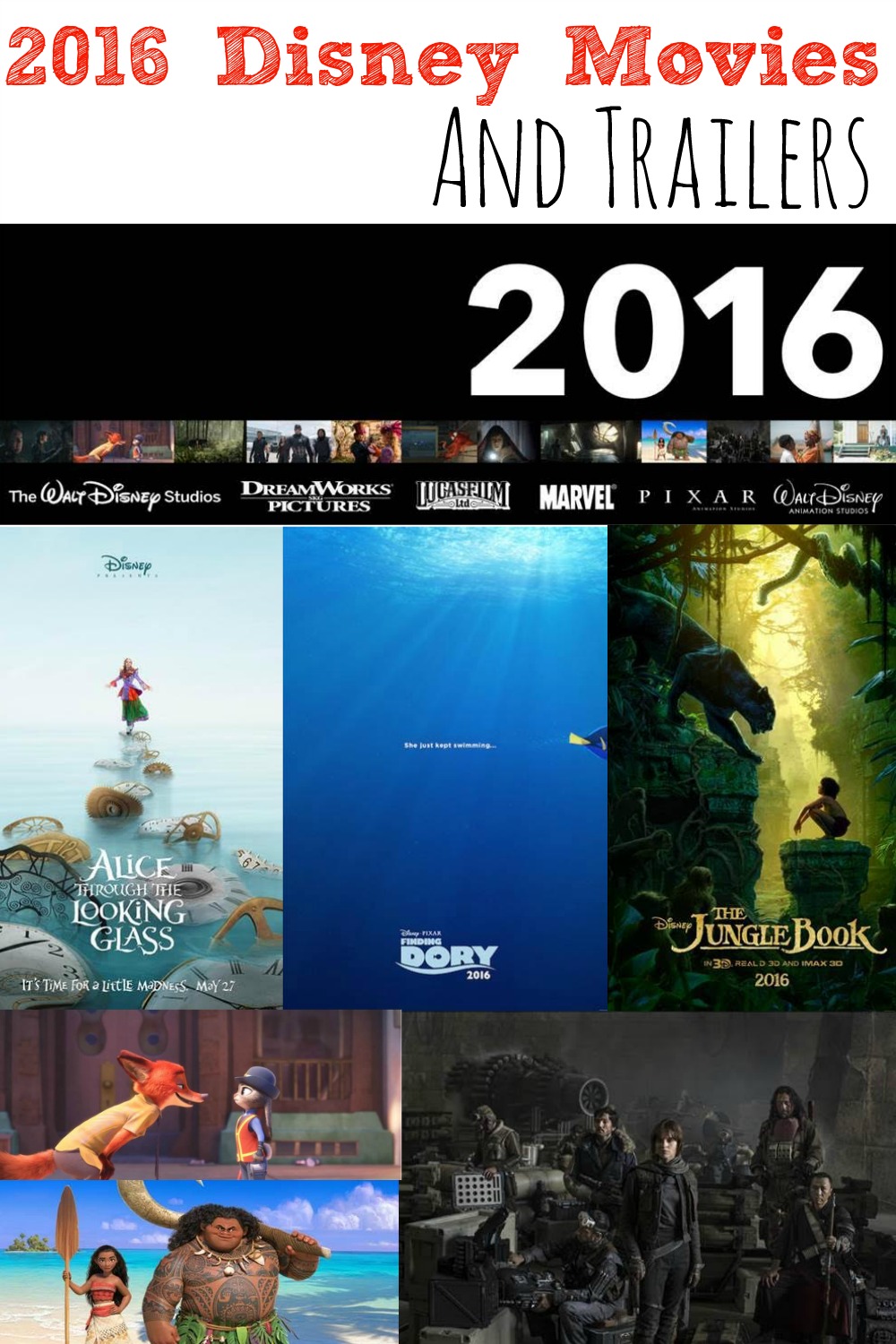
Studios are now utilizing big data to influence the marketing trajectory of their 2016 releases. By analyzing social media sentiment, search engine trends, and viewing habits on streaming platforms, marketing teams are tailoring specific trailers to demographic subsets. This granular targeting ensures that the brand identity of a film—whether it’s a family-friendly animation like Finding Dory or a niche thriller—reaches the specific segment of the population most likely to convert to a ticket purchase.
The Role of Social Influence
Influencer marketing and social media participation are now integrated into the core brand strategy of film promotion. Studio marketing divisions are treating films like startups, launching viral content, interactive websites, and mobile applications that keep the brand top-of-mind weeks before the actual release date. In 2016, the “opening weekend” is no longer the start of the marketing campaign, but rather the climax of a long-term engagement strategy that spans several months.
Diversification: The Indie-Blockbuster Paradox
While the 2016 slate is dominated by massive studio franchises, there is a secondary narrative involving the “indie-blockbuster.” This strategy involves studios like A24 or Fox Searchlight creating “prestige” films that, while smaller in scale, function as brand-building exercises for the studio’s reputation.
Branding the “Auteur”
Studios are increasingly selling films based on the “brand” of the director or the production house itself. When a film is marketed as “A [Studio Name] Production,” the studio is leveraging its own corporate identity to signal quality and genre to the audience. This is an essential strategy for maintaining long-term brand equity; it prevents the studio from being seen as a mere manufacturer of commodities and allows them to maintain a prestige position in the market.
Counter-Programming as a Strategic Tactic
Many of the smaller, original films scheduled for 2016 are released in deliberate opposition to the major tentpole movies. This is a classic brand differentiation strategy. By positioning these films as “thought-provoking” or “critically acclaimed” alternatives to the “loud, mindless” summer blockbuster, studios create a secondary market. This ensures that the studio brand remains relevant to different segments of the audience, including those who are prone to franchise fatigue.
Measuring Success: Beyond the Box Office
In the 2016 business climate, success is no longer measured solely by ticket sales. The brand value of a film now encompasses merchandise, streaming rights, and long-term franchise potential.
The Ecosystem Value
A movie released in 2016 is a foundational asset. For example, a film like Suicide Squad is not just judged by its opening weekend gross, but by the secondary revenue it generates in character-themed retail products, future video game adaptations, and home media. This reflects a broader corporate trend where the film is the “anchor” for a much larger intellectual property portfolio.
Consumer Feedback Loops
The ability to respond to consumer sentiment in real-time has changed the brand lifecycle of movies. Negative or positive feedback on social media regarding a film’s marketing or character design can prompt immediate changes in subsequent promotional materials. This level of agility is required to maintain a healthy brand image in a 24/7 digital environment. As we look at the slate of movies coming out in 2016, it is clear that the industry has evolved into a sophisticated game of brand management where every trailer, social media post, and casting announcement is a strategic move on a global chessboard. By focusing on legacy, synergy, and digital engagement, studios are doing more than just entertaining; they are securing their place in an increasingly competitive market of attention and engagement.
aViewFromTheCave is a participant in the Amazon Services LLC Associates Program, an affiliate advertising program designed to provide a means for sites to earn advertising fees by advertising and linking to Amazon.com. Amazon, the Amazon logo, AmazonSupply, and the AmazonSupply logo are trademarks of Amazon.com, Inc. or its affiliates. As an Amazon Associate we earn affiliate commissions from qualifying purchases.