
The Moon, our celestial neighbor, has long captivated humanity with its stark, cratered beauty. For millennia, these pockmarks have fueled myths, inspired poetry, and served as a silent testament to cosmic violence. But what exactly causes these ubiquitous features that dominate the lunar landscape? While the title “What Causes the Craters on the Moon?” might seem straightforward, understanding the origins of these impact scars opens a fascinating window into the dynamics of our solar system and the history of celestial bodies.
When we consider the Moon’s surface, it’s easy to think of it as a static, unchanging entity. However, this is far from the truth. The Moon, like all celestial bodies, has a dynamic history shaped by powerful forces. While we might associate the Moon with quiet repose, its past is marked by relentless bombardment. These impacts, occurring over billions of years, are the primary architects of its iconic, scarred visage.
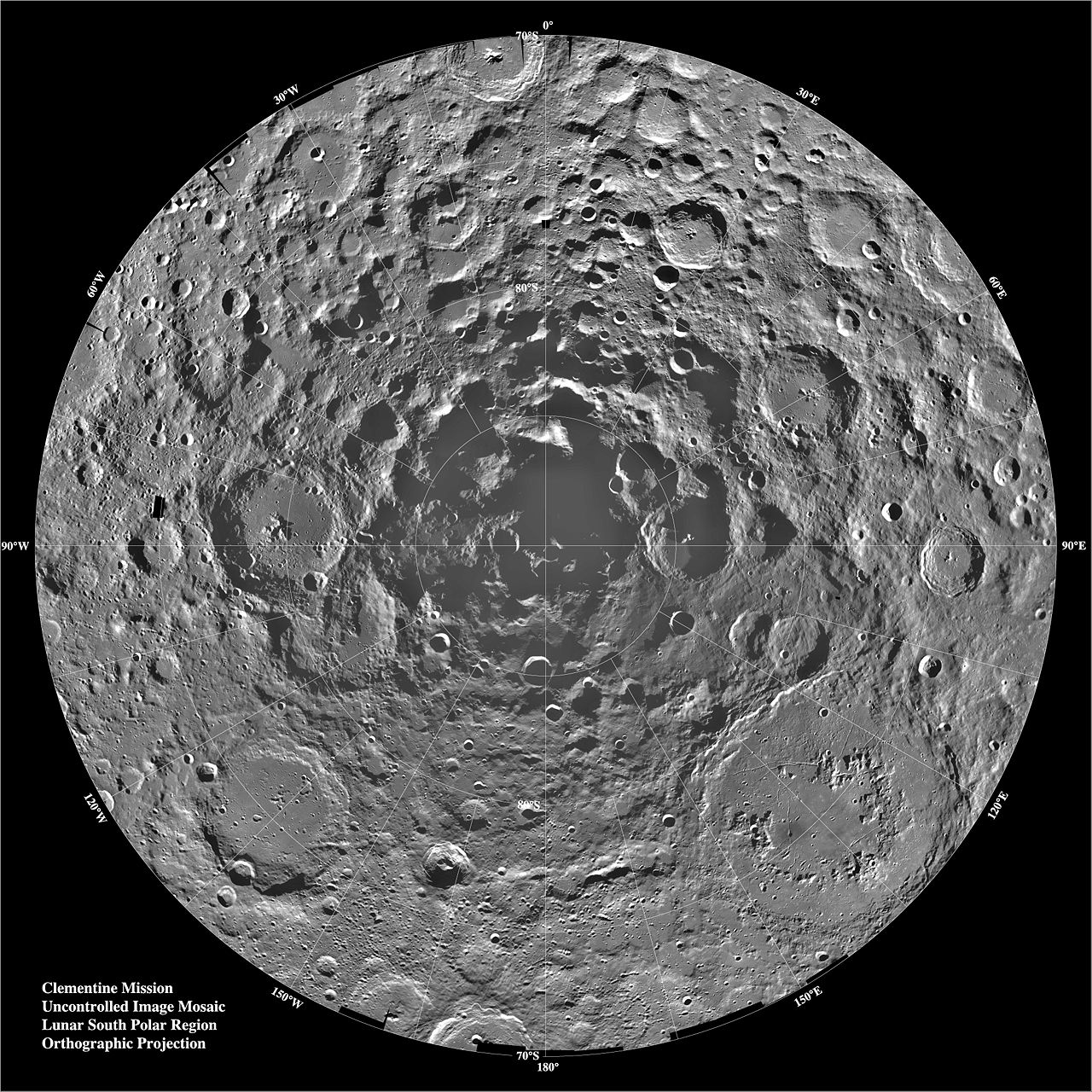
The concept of cratering is not unique to the Moon. Every planet, moon, and even asteroid in our solar system bears the marks of such impacts. However, the Moon’s relative lack of an atmosphere and geological activity makes its craters exceptionally well-preserved, offering a pristine record of this cosmic history. Unlike Earth, where erosion from wind and water, and tectonic plate movement constantly reshape the surface, the Moon’s craters remain largely as they were formed, providing invaluable scientific data.
The Cosmic Debris Field: Asteroids, Comets, and Meteoroids
The vast majority of lunar craters are formed by impacts from extraterrestrial objects. These objects, collectively known as impactors, come in various forms and sizes, each leaving its unique mark on the lunar surface.
Asteroids: The Rocky Remnants of the Early Solar System
Asteroids are rocky, airless worlds that orbit the Sun. They are essentially leftover building blocks from the formation of our solar system, a cosmic debris field left over from the process that created the planets. While many asteroids reside in the asteroid belt between Mars and Jupiter, some have orbits that bring them into the inner solar system, occasionally crossing paths with Earth and its Moon.
The size of an asteroid can vary dramatically, from small, pebble-like objects to bodies hundreds of kilometers in diameter. When an asteroid of sufficient size collides with the Moon, the results are spectacular and destructive. The sheer kinetic energy of the impact is immense, vaporizing the asteroid and a significant portion of the lunar surface. This explosion excavates a bowl-shaped depression, ejects vast quantities of material (ejecta) outwards, and often creates characteristic features like central peaks and terraced walls within the crater. The larger the asteroid, the larger and more complex the resulting crater.
Comets: Icy Wanderers with Destructive Potential
Comets, often described as “dirty snowballs,” are celestial bodies composed of ice, dust, and rock. They originate from the outer reaches of the solar system, in regions like the Kuiper Belt and the Oort Cloud. As comets venture closer to the Sun, the ice within them begins to subl
While comets are generally less dense than asteroids, their high velocities can still result in devastating impacts. The impact of a comet with the Moon would also involve a massive release of energy, leading to crater formation. The composition of comets, with their high ice content, might lead to slightly different ejecta patterns compared to asteroid impacts, but the fundamental process of cratering remains the same: a powerful explosion that reshapes the lunar surface.
Meteoroids: The Smaller, More Frequent Visitors
Meteoroids are smaller fragments of asteroids or comets, ranging in size from dust grains to boulders. When these objects enter the Moon’s very thin atmosphere (or more accurately, its exosphere), they burn up due to friction, creating streaks of light we call meteors. However, those that are large enough to survive this atmospheric descent and strike the lunar surface are called meteorites, and they are responsible for the vast majority of the smaller craters we observe on the Moon.
The countless tiny craters that pepper the lunar surface, often referred to as “pockmarks,” are primarily the result of these frequent, smaller impacts. While individually insignificant, their cumulative effect over billions of years has contributed significantly to the Moon’s overall texture and appearance.
The Mechanics of Impact: From Impactors to Craters
The process of crater formation is a fascinating interplay of physics and geology. It’s not simply a matter of an object hitting a surface; it’s a violent event that unfolds in distinct stages.
The Initial Impact and Shockwave

The moment an impactor strikes the Moon, its immense kinetic energy is rapidly transferred to the lunar surface. This energy creates a powerful shockwave that propagates outwards through the rock. This shockwave is the primary driver of the initial excavation. The rock beneath the impact point is compressed and then expands outwards, effectively blasting away material.
Excavation and Ejecta Blankets
As the shockwave travels through the lunar regolith (the layer of loose dust and rock on the Moon’s surface), it excavates a bowl-shaped depression. Material is ejected outwards from the impact site in all directions. This ejected material, known as ejecta, can travel hundreds or even thousands of kilometers, blanketing vast areas of the lunar surface. The thickness and extent of these ejecta blankets are important clues for scientists studying the age and origin of craters. In some cases, the ejecta can be so widespread that it obscures older, smaller craters.
Crater Morphology: The Anatomy of a Lunar Crater
Lunar craters come in a surprising variety of shapes and sizes, each reflecting the scale of the impact and the nature of the lunar terrain.
-
Simple Craters: These are the most common type, typically smaller than a few kilometers in diameter. They are generally bowl-shaped with smooth, relatively simple walls.
-
Complex Craters: As craters grow larger, they develop more complex features. This includes the formation of a central peak or a cluster of peaks in the middle of the crater floor. These peaks are thought to form as the excavated rock rebounds upwards after the initial excavation. Complex craters also often feature terraced walls, which are a result of slumping and sliding of the crater rim inwards.
-
Impact Basins: The largest impact structures are known as impact basins. These are immense, multi-ringed structures that can span hundreds or even thousands of kilometers across. They represent impacts from truly colossal impactors and are often filled with lava flows, forming the dark, smooth areas we call “maria” or “seas” on the Moon.
Beyond Impacts: Secondary Processes Shaping the Lunar Surface
While impacts are the primary cause of lunar craters, other processes, though less significant in terms of crater formation, do play a role in shaping and modifying the lunar landscape over time.
Volcanic Activity: Filling the Gaps
For a significant period in its history, the Moon experienced widespread volcanic activity. Molten rock, or magma, from the Moon’s interior erupted onto the surface, filling in some of the larger impact basins and smoothing out the landscape. These ancient lava flows are responsible for the formation of the lunar maria, the dark, basaltic plains that are a prominent feature of the Moon’s near side. While volcanism didn’t create craters, it certainly altered the appearance of the Moon by burying older craters and creating vast, relatively smooth surfaces that would later be subject to further impacts.
Space Weathering: A Slow Transformation
The Moon’s lack of a significant atmosphere and magnetic field exposes its surface to the full force of solar and cosmic radiation. This constant bombardment by charged particles (solar wind) and high-energy cosmic rays slowly alters the composition and physical properties of the lunar regolith. This process, known as space weathering, can darken the surface over time, alter the reflective properties of the minerals, and even cause micro-meteorite impacts to fuse dust particles together. While not a direct cause of craters, space weathering contributes to the overall appearance and evolution of the lunar surface.

The Enduring Legacy of Lunar Craters
The craters on the Moon are not just scars; they are a historical record. By studying their size, shape, distribution, and the composition of their ejecta, scientists can piece together the history of the Moon and the solar system. The rate of cratering has changed over time, being much higher in the early solar system when there was more debris. Understanding these rates allows us to date different regions of the Moon and infer the ages of geological features.
Furthermore, the study of lunar craters has profound implications for understanding potential threats to Earth. By examining how impacts have affected the Moon, we gain valuable insights into the frequency and potential consequences of asteroid and comet impacts on our own planet. This knowledge drives our efforts in asteroid detection and deflection programs, aiming to protect Earth from future cosmic collisions.
In essence, the craters on the Moon are a testament to the dynamic and often violent nature of space. They are the fingerprints of countless collisions, a silent chronicle of billions of years of cosmic history, and a vital source of information for understanding our solar system and our place within it. Each crater, from the smallest pockmark to the grandest basin, tells a story of celestial encounters, reminding us that the seemingly serene Moon is a world shaped by extraordinary events.
aViewFromTheCave is a participant in the Amazon Services LLC Associates Program, an affiliate advertising program designed to provide a means for sites to earn advertising fees by advertising and linking to Amazon.com. Amazon, the Amazon logo, AmazonSupply, and the AmazonSupply logo are trademarks of Amazon.com, Inc. or its affiliates. As an Amazon Associate we earn affiliate commissions from qualifying purchases.