
The crew neck sweater stands as the foundational pillar of modern apparel design, representing a masterclass in minimalist aesthetic and versatile functionality. In the sphere of brand identity and fashion design, it serves as the ultimate “blank canvas”—a garment that transcends seasonal trends to become a permanent fixture in the corporate and personal wardrobe. Understanding the crew neck is not merely about identifying a neckline; it is about recognizing the strategic value of simplicity in design language and how a singular silhouette can anchor a cohesive brand narrative.
The Architectural Design of the Crew Neck
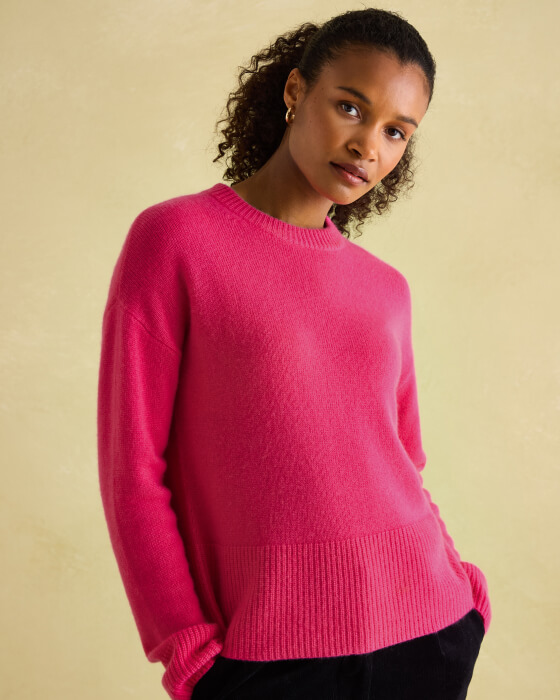
At its core, the crew neck sweater is defined by its rounded, close-fitting neckline, which sits neatly at the base of the throat. Unlike the V-neck, which creates a vertical line that elongates the torso, or the turtleneck, which provides structural height, the crew neck offers a balanced, horizontal aesthetic. This design choice is fundamental to its enduring appeal.
Geometric Balance and Visual Symmetry
The strength of the crew neck lies in its symmetry. From a design perspective, the circular cutout creates a natural frame for the wearer’s face. Because the neckline does not compete with the wearer’s features or neckties, it provides a stable visual foundation. When brands design collections, they often rely on the crew neck as the baseline “control” item against which more complex designs—such as cable knits, patterned intarsias, or exaggerated silhouettes—are measured.
Materiality as Brand Differentiation
While the silhouette remains consistent, the choice of fabric acts as a primary tool for brand positioning. A luxury label might opt for long-staple cashmere or ultra-fine merino wool to signal quality and exclusivity. Conversely, a streetwear-focused brand might leverage heavyweight loopback cotton or sustainable recycled polyester blends to communicate values of durability, utility, or environmental consciousness. By altering the texture, weight, and hand-feel of the material, designers manipulate the perception of the garment, turning a basic staple into a high-margin brand asset.
The Strategic Role of the Crew Neck in Brand Identity
For fashion brands and corporate entities alike, the crew neck is a silent ambassador. It is a wardrobe essential that balances professionalism with accessibility. Integrating this garment into a brand strategy requires a nuanced understanding of how clothing communicates identity and intent.
Consistency as a Branding Tool
Consistency is the cornerstone of corporate and personal branding. By utilizing the crew neck sweater as a uniform or a core product, a brand projects an image of reliability and timelessness. It is the sartorial equivalent of a sans-serif typeface: clean, readable, and universally understood. When a company chooses a crew neck for its branded merchandise, it prioritizes a style that will not alienate the recipient. Unlike trend-heavy cuts that may become obsolete within a season, the crew neck signals that the brand values longevity over fleeting “fast fashion” cycles.
The Power of Minimalism in Design
Modern branding leans heavily into minimalism. As consumer attention spans shorten, the ability to communicate a brand’s ethos through a simple, well-executed product is invaluable. The crew neck is the embodiment of “less is more.” When stripped of excessive detailing—such as bold logos or complex fasteners—the sweater relies entirely on the quality of its construction and the precision of its fit. This pushes brands to focus on the craftsmanship of the seams, the ribbing of the cuffs, and the integrity of the textile. Consequently, the garment itself becomes an argument for the brand’s attention to detail.
Style Versatility and the Psychology of the Staple
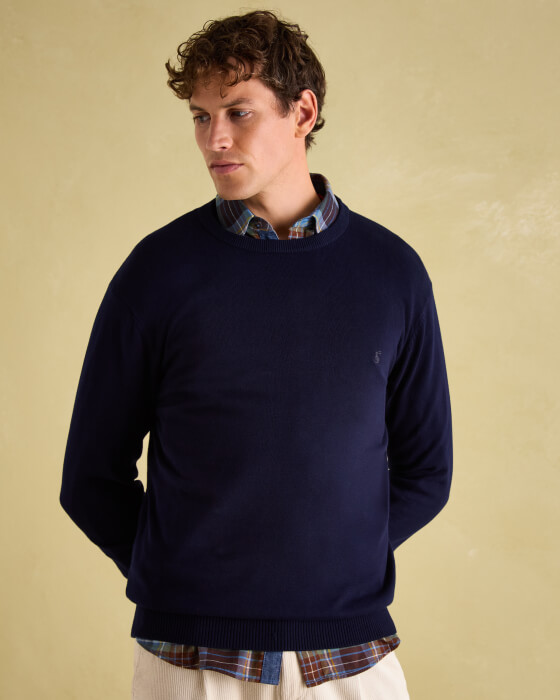
The crew neck sweater is an essential component of the “capsule wardrobe”—a design strategy that minimizes the number of items while maximizing the number of potential combinations. From a consumer perspective, this versatility is a key selling point, but from a brand perspective, it is a lesson in value proposition.
The Layering Dynamic
The crew neck is uniquely engineered for the layering process. Because of its circular collar, it sits perfectly over collared shirts, creating a crisp, professional look suitable for creative offices and business-casual environments. Simultaneously, it functions perfectly under blazers, denim jackets, or overcoats. This adaptability makes it the primary workhorse of the modern wardrobe. Brands that can successfully market the “utility” of the crew neck tap into the consumer’s desire for efficiency. By demonstrating how a single sweater can transition from a morning commute to a dinner engagement, a brand effectively increases the perceived value of the product.
Gender-Neutral Design Language
The crew neck is one of the few garments in fashion history that has achieved true gender neutrality. Its democratic cut allows it to be marketed to a wide demographic without requiring significant modifications to the pattern. This makes it an incredibly efficient product for brands seeking to streamline their manufacturing processes and broaden their market reach. By adopting a “unisex” design strategy centered on the crew neck, a company can reduce inventory complexity while simultaneously projecting a modern, inclusive brand identity.
Curating the Perfect Crew Neck: Technical Specifications
For those involved in product development, the success of a crew neck sweater rests on specific technical criteria. Understanding these elements is essential for anyone looking to enter the apparel space or refine their brand’s clothing line.
The Importance of Tension and Recovery
A common failure point in poorly designed sweaters is the loss of shape in the neck ribbing. High-quality crew necks incorporate high-tension yarn in the neckline to ensure it does not sag or lose its circular geometry after repeated wear. When a brand prioritizes this level of technical integrity, it builds consumer trust. The “recovery” of the fabric—how well it returns to its original shape after being stretched—is a metric of quality that dictates repeat purchases and brand loyalty.
Pattern Grading and Silhouette
The difference between a “basic” item and a “premium” item often comes down to the fit profile. Pattern grading—the process of scaling the garment to different sizes—is where many brands falter. A well-designed crew neck should maintain its proportions regardless of the size. The armhole depth, the width of the shoulders, and the taper of the sleeves must be meticulously calibrated. When a brand nails the fit, the sweater acts as a “second skin,” providing a clean silhouette that enhances the wearer’s physique without being restrictive.
Future Trends and the Evolution of the Classic
Even within a category as traditional as the crew neck, there is room for innovation. As sustainability becomes a core pillar of brand strategy, the future of the crew neck lies in supply chain transparency and material science.
Sustainable Material Innovation
Brands are increasingly moving away from synthetic blends in favor of regenerative wools, organic cottons, and cellulose-based fibers like Tencel. By rebranding the crew neck as an eco-conscious staple, companies can differentiate themselves in a crowded market. Marketing the “lifecycle” of a sweater—emphasizing its durability and the biodegradability of its materials—aligns with the growing consumer demand for ethical fashion.
The Role of Technology in Manufacturing
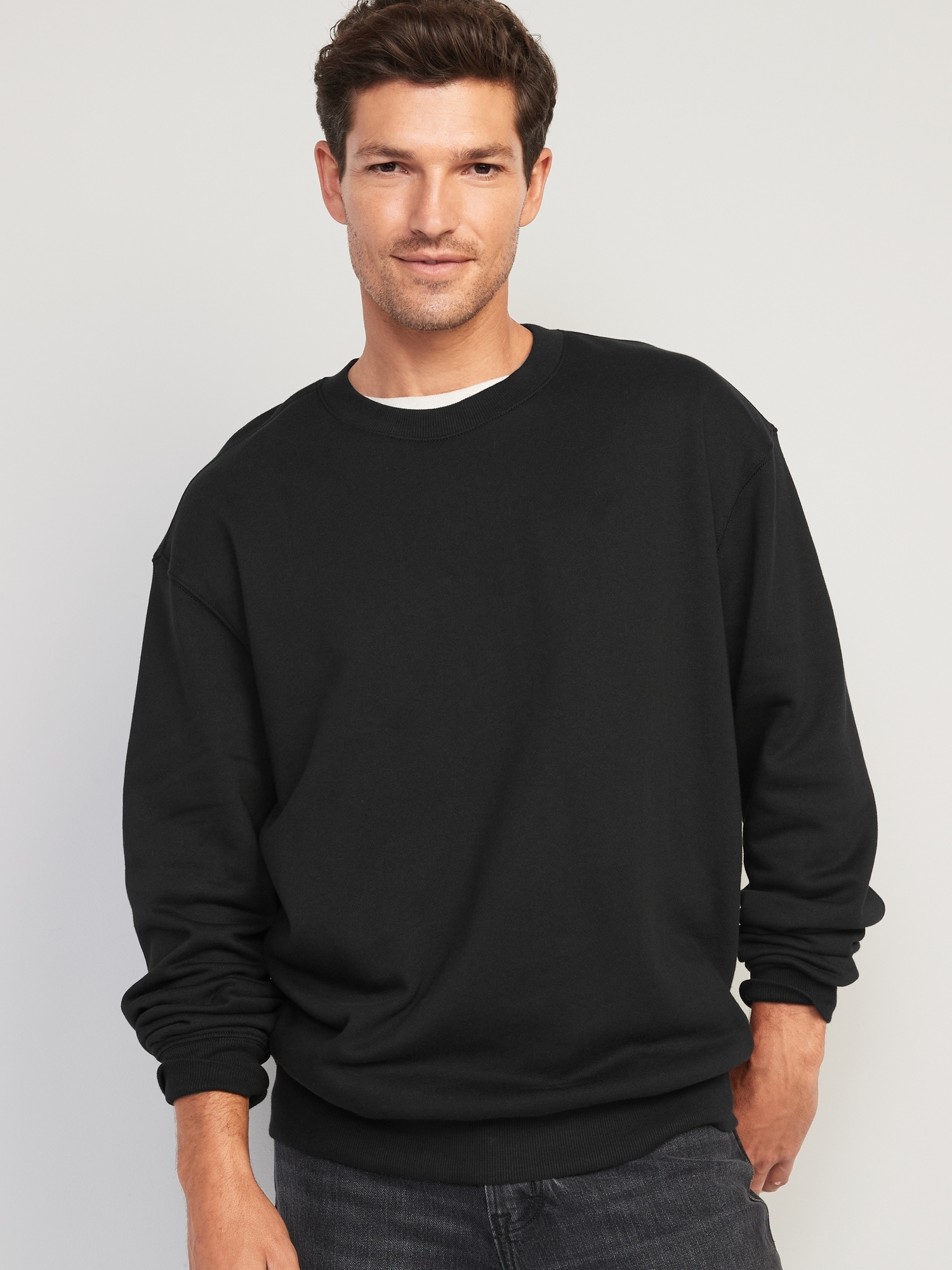
Advancements in “whole garment” knitting technology allow for the production of seamless crew neck sweaters. This not only reduces waste during the manufacturing process but also results in a superior, more comfortable product. Brands that adopt this technology are effectively positioning themselves at the intersection of innovation and tradition, using high-tech methods to perfect an age-old design.
In conclusion, the crew neck sweater is far more than a basic garment. It is a strategic design asset that exemplifies the principles of balance, consistency, and versatility. By understanding the architectural nuances of the neckline, the psychological impact of its minimalist design, and the technical requirements of its construction, brands can elevate this timeless item into a cornerstone of their identity. Whether used to project corporate professionalism or individual personal style, the crew neck remains the ultimate standard in the fashion world, proving that true quality is never in need of an update.
aViewFromTheCave is a participant in the Amazon Services LLC Associates Program, an affiliate advertising program designed to provide a means for sites to earn advertising fees by advertising and linking to Amazon.com. Amazon, the Amazon logo, AmazonSupply, and the AmazonSupply logo are trademarks of Amazon.com, Inc. or its affiliates. As an Amazon Associate we earn affiliate commissions from qualifying purchases.