
In the fast-paced world of logistics, freight brokerage, and heavy-duty transportation, financial transactions must happen instantaneously. When a truck driver is thousands of miles from their home base and faces an unexpected expense—such as a roadside repair, an unplanned layover, or an emergency fuel top-up—traditional banking methods often prove too slow. Enter the “Com Check,” a specialized financial instrument that has served as the industry standard for decades. Understanding what a Com Check is, how it functions, and why it remains a critical tool for business finance in the transportation sector is essential for anyone involved in supply chain management.
Defining the Com Check and Its Purpose
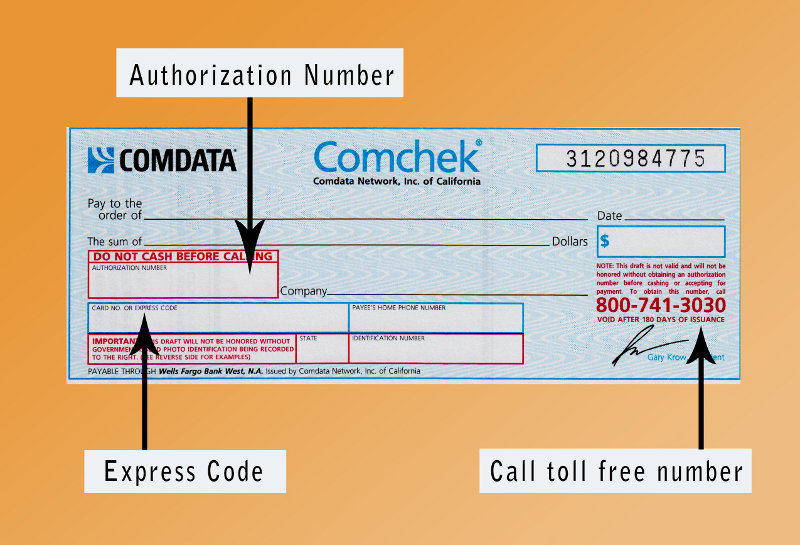
At its core, a Com Check is a digital or paper-based payment authorization tool used primarily by freight brokers, trucking companies, and logistics providers to facilitate immediate fund transfers. Unlike a personal check that relies on the float time of a traditional bank, a Com Check is essentially a cash-equivalent instrument issued by a payment processing service, most notably Comdata.
The primary purpose of a Com Check is to provide a “safety net” for drivers and fleet managers. When a driver is on the road, they may not have access to company credit cards or enough personal capital to cover urgent expenses. By issuing a Com Check, a carrier or broker provides the driver with a specific authorization number and a blank document that can be filled out and cashed or deposited at participating locations, such as truck stops or dedicated fuel desks.
The Mechanism of Action
The process is designed for speed and security. A broker or dispatcher initiates the transaction by contacting the payment service provider. They provide the amount, the driver’s identity, and the reason for the expense. The service provider issues a unique “Com Check Number.” The driver then fills out a physical Com Check draft, inscribing the authorized amount and the provided serial number. Once presented at a participating merchant, the merchant calls the verification system to ensure the funds are cleared. Once verified, the driver receives the cash or the goods/services are paid for, and the funds are debited from the carrier’s account in real-time.
Financial Security and Operational Control
For logistics firms, managing cash flow is the difference between profitability and insolvency. The Com Check system provides an advanced layer of financial control that goes far beyond simply handing a driver a company credit card. It is a highly regulated and auditable method of business finance.
Fraud Prevention and Authorization
One of the greatest risks in the trucking industry is unauthorized spending. Company credit cards can be lost, stolen, or abused. Com Checks, however, are inherently tied to specific transactions. Because each check requires a unique authorization number that must be verified against the provider’s database, the risk of “blank check” fraud is significantly minimized. If a check is lost or stolen, it is functionally useless without the corresponding authorization code, which is known only to the fleet manager and the specific driver assigned to the load.
Auditability and Expense Tracking
Business finance requires meticulous record-keeping. Every Com Check issued is logged within the provider’s portal, detailing the date, the amount, the location of the transaction, and the purpose. This creates an automated paper trail that makes tax season and expense auditing significantly more efficient. By centralizing these payments through a single platform, fleet managers can monitor fuel spend, repair costs, and incidental charges across their entire fleet in real-time, allowing for better budget forecasting and operational adjustments.
Evolution in the Digital Age: From Paper to Electronic
While the traditional paper Com Check remains a staple at truck stops across North America, the technology has evolved to mirror broader trends in digital banking. Today, the term “Com Check” is often used as a catch-all for various electronic funds transfer (EFT) methods offered by industry-specific financial services.
Digital Alternatives and Efficiency
Many modern carriers have moved away from physical drafts in favor of direct digital payments. Drivers now frequently use branded debit cards linked to their carrier’s account. These cards allow for instant “load funds” capabilities, where a fleet manager can push money to a driver’s card remotely. This eliminates the need for the driver to visit a physical location to “cash” a document, saving valuable time and keeping the wheels turning.
However, even in this digitized landscape, the classic Com Check persists as a backup. Digital systems can experience outages, and not every roadside repair facility is equipped to handle proprietary digital payment platforms. The physical Com Check acts as the universal “fallback” protocol, ensuring that no matter where the driver is or what technology the service provider uses, a reliable payment method is always available.
Impact on Working Capital
The use of these instruments significantly impacts the working capital strategy of a logistics firm. Because the funds are authorized and cleared almost immediately, there is no “float” associated with the transaction. While this requires the company to have immediate liquidity, it prevents the accumulation of credit card debt and interest fees. For small to mid-sized trucking companies, this immediate clearing process is vital for maintaining a healthy balance sheet and ensuring that operating expenses do not spiral into unmanageable debt.
Best Practices for Fleet and Brokerage Management
For those tasked with managing finances in the transportation sector, implementing a robust Com Check policy is non-negotiable. It is not merely about having access to the funds; it is about how those funds are deployed and reconciled.
Establishing Internal Controls
- Centralized Authorization: Limit the number of employees authorized to issue Com Check numbers. Providing too many people with access to the payment portal invites human error and security risks.
- Standardized Coding: Require drivers and dispatchers to use specific internal codes for different types of expenses (e.g., FUEL, REPAIR, Lumper, Layover). This makes data analysis at the end of the month much simpler.
- Real-time Reconciliation: Do not wait until the end of the quarter to review Com Check expenses. Integrate your payment provider’s reports with your accounting software to ensure that every check issued is tied to a specific load or expense category.
Navigating Fees and Costs
It is important to acknowledge that using Com Check services comes with a cost. There are transaction fees, and in some cases, subscription fees for the platform access. A common mistake for new logistics business owners is to use Com Checks for minor expenses that could be handled through cheaper means. Use these instruments primarily for their intended purpose: urgent, high-value, or remote transactions that require immediate authorization. By optimizing when and how these tools are used, businesses can keep their financial overhead in check while maintaining the flexibility required to navigate the complex logistics market.

Future Outlook
As the transportation industry continues to lean into automation and AI-driven logistics, the underlying principles of the Com Check—immediacy, security, and verification—will remain relevant. While the physical check may eventually be replaced entirely by blockchain-based smart contracts or instant settlement protocols, the “Com Check philosophy” of empowering the mobile workforce with secure, verified access to capital will continue to be a cornerstone of business finance. By mastering these tools, logistics providers ensure they remain resilient, compliant, and—most importantly—profitable in an industry that never sleeps.
aViewFromTheCave is a participant in the Amazon Services LLC Associates Program, an affiliate advertising program designed to provide a means for sites to earn advertising fees by advertising and linking to Amazon.com. Amazon, the Amazon logo, AmazonSupply, and the AmazonSupply logo are trademarks of Amazon.com, Inc. or its affiliates. As an Amazon Associate we earn affiliate commissions from qualifying purchases.