
Ice pick scars are a common and often frustrating consequence of acne, leaving behind small, deep, and narrow indentations on the skin. Their name aptly describes their appearance, resembling punctures made by an ice pick. While they primarily affect the face, they can also appear on the chest and back. Understanding the causes of these persistent marks is the first step towards effectively managing and treating them, and it’s a topic that intersects with our understanding of skin health, a crucial aspect of personal well-being often discussed within broader contexts of self-care and even personal branding.
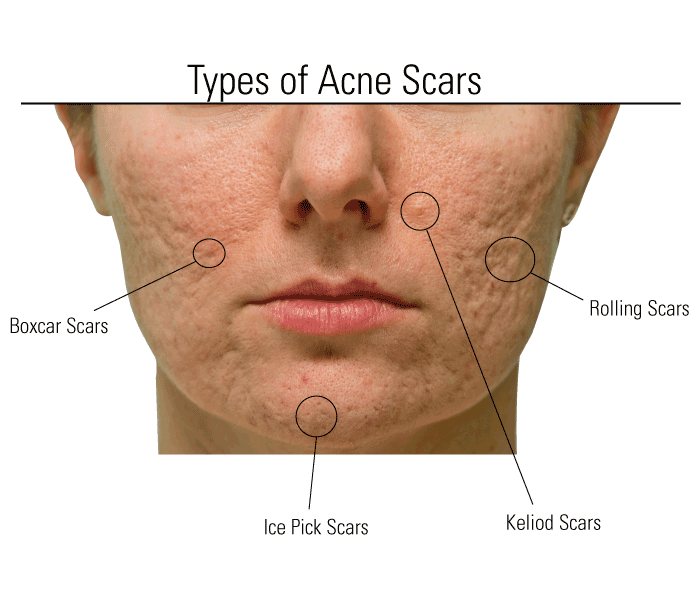
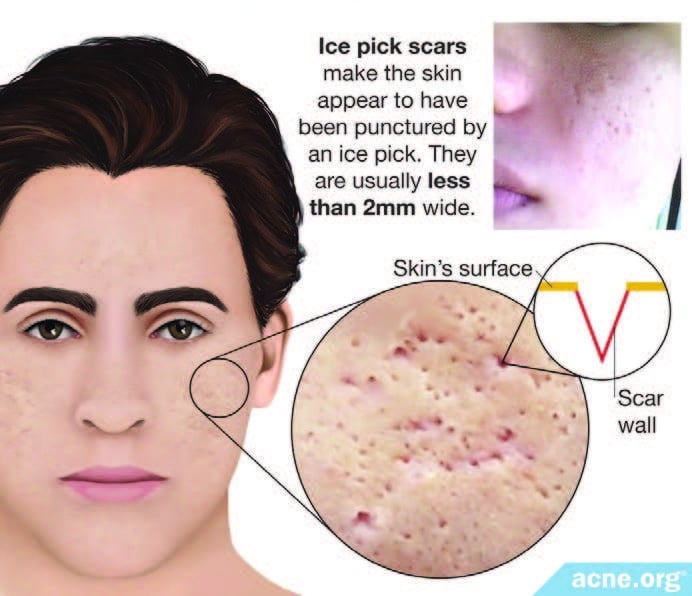
The genesis of ice pick scars is intrinsically linked to the inflammatory process of acne. When a pimple, particularly a cystic or nodular lesion, becomes severely inflamed, it can damage the underlying collagen and elastin fibers that provide structural support to the skin. This damage is not uniform; instead, it’s often localized and deep, leading to the characteristic narrow, V-shaped or cylindrical depressions of ice pick scars.
The Inflammatory Cascade: A Deeper Dive into Acne’s Scars
Acne is a complex skin condition that arises from a confluence of factors, including excess sebum production, clogged hair follicles, bacteria (Propionibacterium acnes), and inflammation. When these factors combine to create a severe inflammatory lesion, the body’s natural healing response can unfortunately lead to scarring.
The Role of Deep Inflammation and Collagen Degradation
The key culprit in the formation of ice pick scars is deep inflammation. Unlike superficial acne lesions, which may cause temporary redness or discoloration, deep inflammatory acne penetrates into the dermis, the layer of skin beneath the epidermis. Here, the inflammatory process triggers the release of enzymes that break down collagen and elastin – the proteins responsible for skin’s firmness and elasticity.
When this breakdown is particularly aggressive and localized, it creates a void within the dermis. As the inflammation subsides and the skin attempts to heal, it tries to fill this void with new collagen. However, this new collagen often doesn’t perfectly replicate the original structure. Instead, it can be less organized, resulting in a depressed scar. The narrow, deep nature of ice pick scars suggests that the initial inflammatory insult was confined to a small, deep area, leading to a localized loss of dermal tissue.
Bacterial Involvement and Immune System Response
While inflammation is the primary driver, the role of bacteria in initiating and perpetuating this inflammatory cascade is significant. Propionibacterium acnes (now reclassified as Cutibacterium acnes) is a common bacterium found on the skin. In certain conditions, it can proliferate within clogged hair follicles, triggering an immune response. This immune response, while intended to combat the bacteria, can become overzealous, leading to excessive inflammation and tissue damage. The body’s attempt to clear the bacteria and the resulting inflammatory byproducts can inadvertently contribute to the destruction of dermal structures, paving the way for scarring.
Genetic Predisposition and Skin Type
It’s also important to acknowledge that not everyone who experiences severe acne develops ice pick scars. There appears to be a genetic predisposition involved, meaning some individuals are more genetically inclined to scar than others. Factors such as skin type, ethnicity, and even the density of collagen fibers in a particular area of the skin can play a role. Individuals with thicker skin or a tendency towards keloid scarring might experience different types of acne scars, but ice pick scars are often associated with skin that has a propensity for this specific type of dermal depression.
Beyond Acne: Other Potential Causes of Punctate Scars
While acne is the most frequent perpetrator of ice pick scars, it’s worth noting that other skin injuries, though less common, can result in similar-looking punctate depressions.
Traumatic Injuries and Puncture Wounds
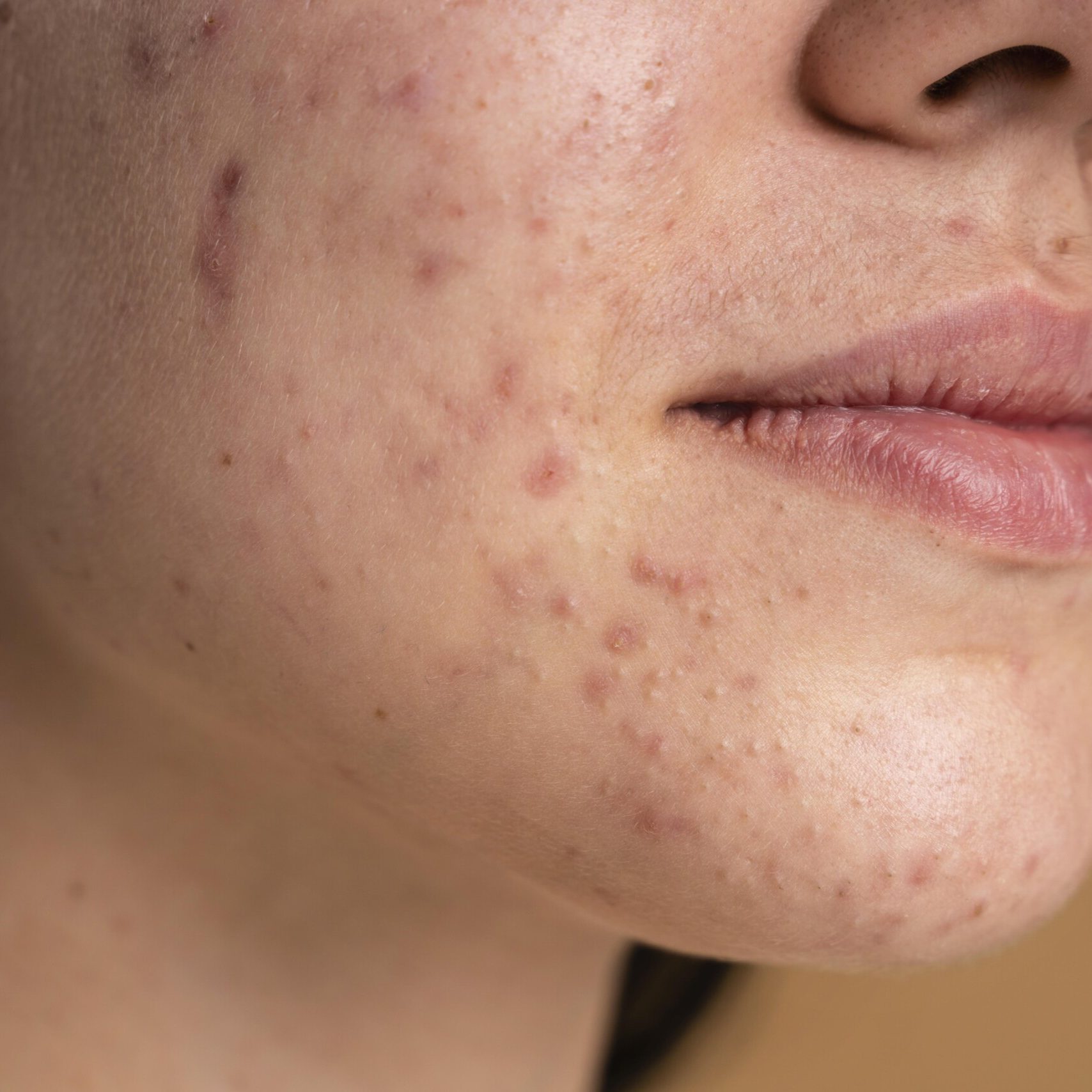
Any injury that penetrates deeply into the dermis and causes localized tissue destruction can potentially lead to scarring that resembles ice pick scars. This could include:
- Deep Punctures: Accidental punctures from sharp objects, such as splinters, thorns, or even minor surgical procedures, can cause small, deep wounds. If the healing process is disrupted or if the initial wound is particularly deep, it can result in a pitted scar.
- Insect Bites: Certain insect bites that cause significant inflammation and tissue necrosis (tissue death) can, in rare instances, leave behind small, depressed scars.
- Self-Inflicted Injuries: In cases of dermatillomania (skin-picking disorder), persistent and aggressive picking at the skin can lead to deep excoriations that heal with pitted scarring.
Surgical Procedures and Dermatological Treatments
While often intended to improve skin texture, certain dermatological procedures, if not performed with precision or if the skin’s response is atypical, can sometimes result in scarring.
- Biopsies and Extractions: Small biopsies taken for diagnostic purposes or the manual extraction of certain lesions, if deep or improperly managed, could potentially leave a small, residual pit.
- Dermabrasion and Chemical Peels (in rare cases): While these treatments are designed to resurface the skin and minimize existing scars, very aggressive application or an individual’s unique healing response could theoretically lead to new, albeit rare, types of scarring. However, these are typically used to treat acne scarring rather than cause it.
The Interplay of Skin Health and Long-Term Well-being
The quest for clear, smooth skin is deeply intertwined with our overall sense of well-being and even our personal branding efforts. When we present ourselves to the world, our skin is often the first thing people notice. For individuals struggling with persistent acne and the resulting ice pick scars, this can lead to self-consciousness, reduced confidence, and a desire to find effective solutions.
The Psychological Impact of Scarring
The visible nature of ice pick scars, especially on the face, can have a significant psychological impact. They can be a constant reminder of past breakouts and a source of distress. This can affect social interactions, professional opportunities, and even intimate relationships. The feeling of having imperfect skin can lead to a desire for anonymity or a tendency to avoid situations where one feels exposed.
The Pursuit of Solutions: A Technological and Financial Endeavor
Understanding the causes of ice pick scars is the crucial first step in seeking effective treatments. These treatments often involve a combination of topical therapies, in-office procedures, and consistent skincare routines. The pursuit of these solutions can also intersect with the core topics of our website:
- Money and Investment: Treating ice pick scars can be an investment in one’s self-confidence and well-being. Exploring different treatment options involves understanding costs, insurance coverage, and the potential return on investment in terms of improved appearance and psychological benefits. This could involve budgeting for dermatological appointments, laser treatments, or prescription medications. Side hustles or online income streams might be leveraged to fund these treatments.
- Technology and Innovation: The field of dermatology is constantly evolving, with new technologies emerging to address scarring. Laser treatments (like fractional lasers), microneedling devices, and advanced chemical peels are all examples of technological advancements that offer hope for improving the appearance of ice pick scars. Understanding these technologies, their efficacy, and how to use them effectively (perhaps through DIY tutorials or reviews of at-home devices) falls squarely within our tech domain. Digital security for medical records and privacy concerning treatments are also relevant considerations.
- Brand and Reputation: For many, clear skin is an integral part of their personal brand. The desire to present a polished and confident image can be a strong motivator for seeking scar treatment. Understanding how to effectively communicate one’s journey with acne and scarring, or how to present oneself positively despite these concerns, relates to personal branding and reputation management. Case studies of successful treatments or testimonials can serve as powerful examples.
In conclusion, ice pick scars are primarily a consequence of deep, inflammatory acne that damages and degrades collagen and elastin in the dermis. While less common, other traumatic skin injuries can also lead to similar pitting. The persistent nature of these scars underscores the importance of effective acne management and prompt treatment of inflammatory lesions. Ultimately, addressing ice pick scars is not just about physical appearance; it’s about reclaiming confidence, investing in oneself, and leveraging advancements in technology and personal understanding to achieve a healthier, more radiant complexion.
aViewFromTheCave is a participant in the Amazon Services LLC Associates Program, an affiliate advertising program designed to provide a means for sites to earn advertising fees by advertising and linking to Amazon.com. Amazon, the Amazon logo, AmazonSupply, and the AmazonSupply logo are trademarks of Amazon.com, Inc. or its affiliates. As an Amazon Associate we earn affiliate commissions from qualifying purchases.