
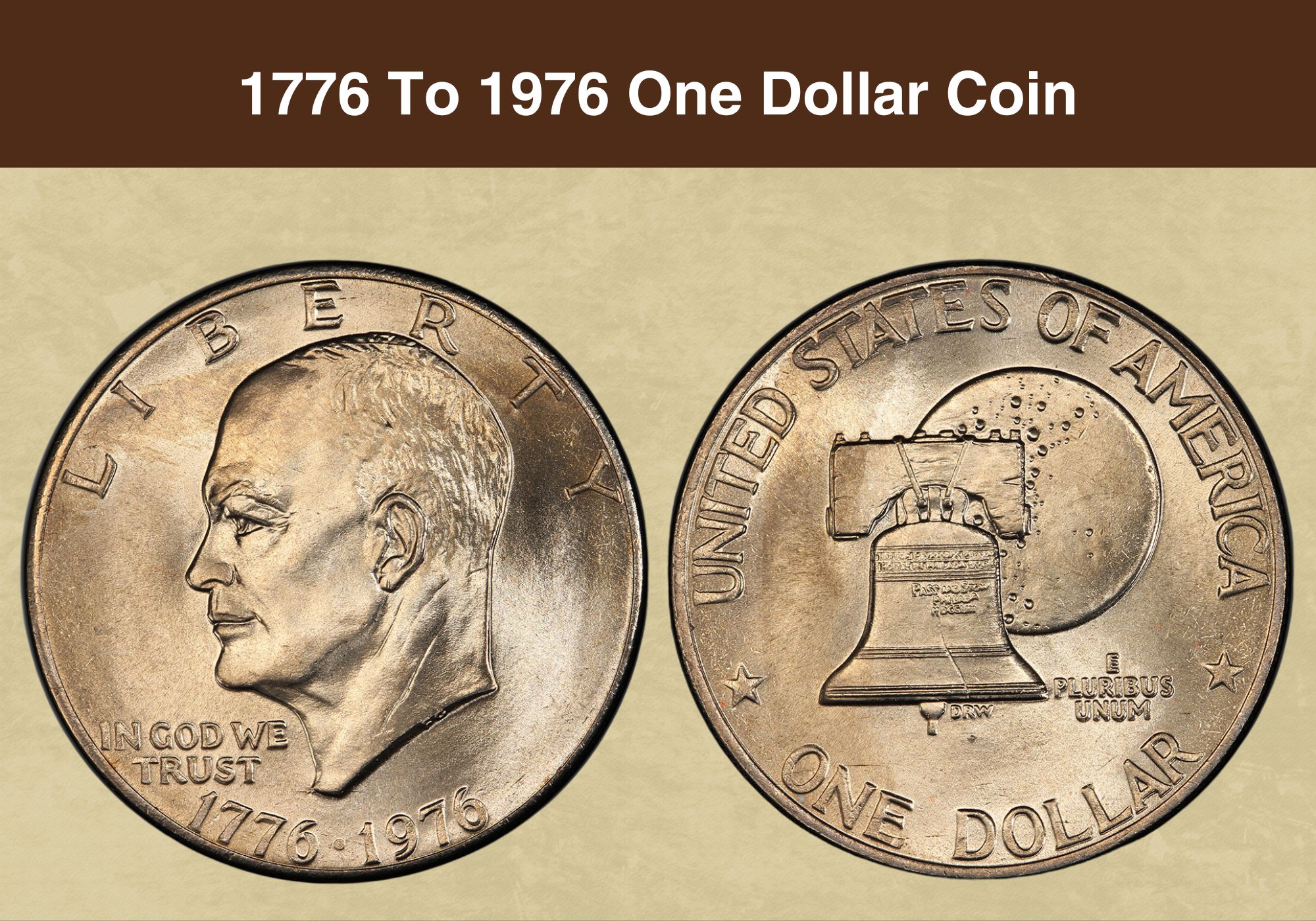
For many Americans, stumbling upon a hefty, silver-colored dollar coin featuring a colonial drummer on the reverse side is a nostalgic experience. These Bicentennial dollars, minted to commemorate the 200th anniversary of the signing of the Declaration of Independence, are a staple in many home coin jars and dresser-drawer collections. However, because they were minted in such massive quantities, their value is often misunderstood. Determining what a Bicentennial dollar is worth requires a nuanced look at production types, composition, and the condition of the coin.
Understanding the Bicentennial Dollar’s Origins
The United States Bicentennial coinage program was a unique event in numismatic history. To celebrate the 1976 anniversary, Congress authorized a redesign of the reverse side of the quarter, half-dollar, and dollar coins. The Eisenhower dollar, which was in circulation at the time, received a special design featuring the Liberty Bell superimposed against the moon, a dual nod to the nation’s founding and its recent space-age achievements.
Production and Circulation
Unlike commemorative coins produced today—which are often sold directly to collectors at a premium—the 1976 Eisenhower dollars were produced for general circulation. The Mint struck hundreds of millions of these coins. Because they were intended to be used as currency, they were produced primarily in a copper-nickel clad composition. This is the first hurdle for those looking for significant financial value: scarcity is the primary driver of price in the coin market, and these coins are anything but scarce.
Identifying Your Coin Type
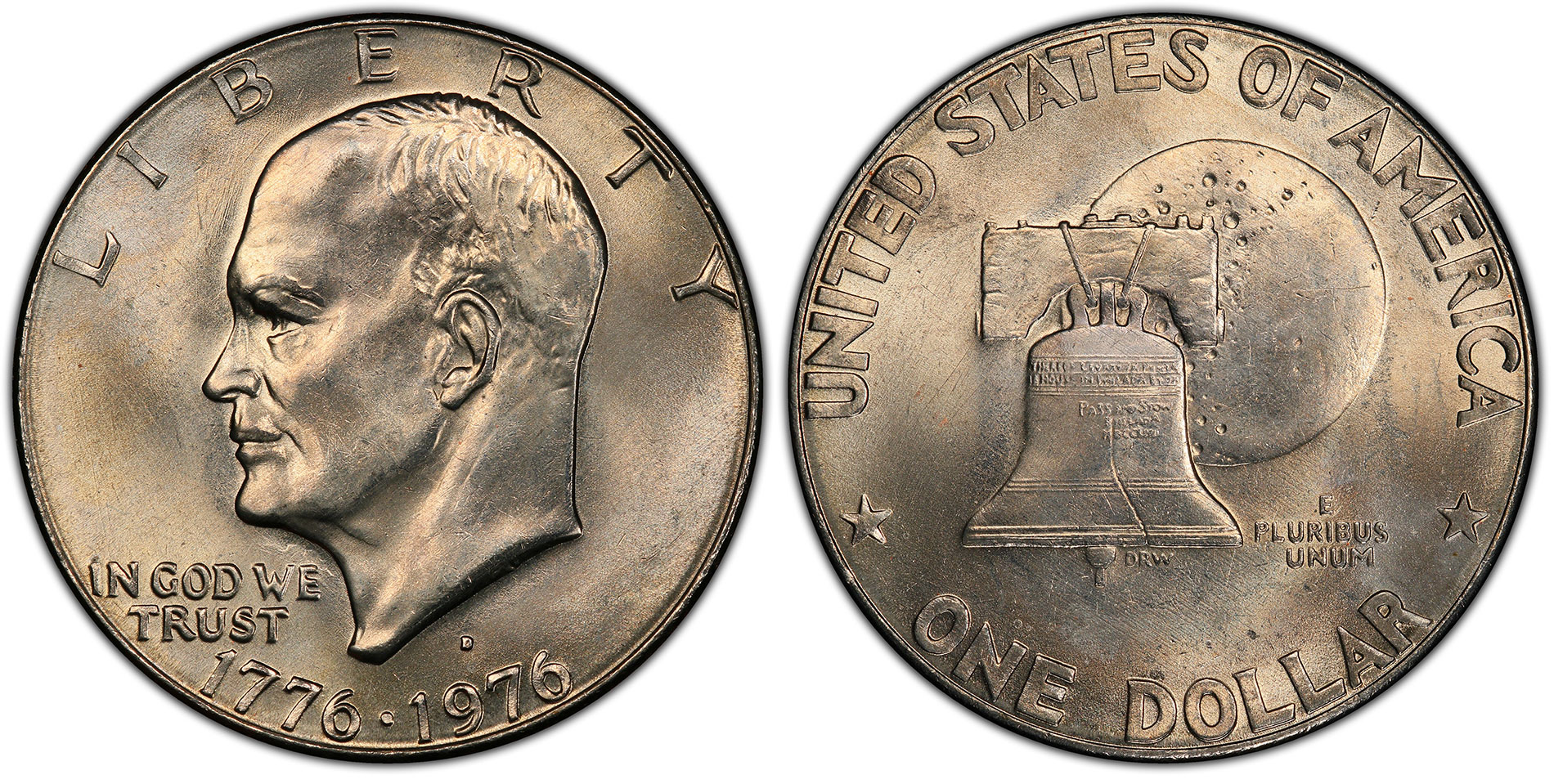
To understand the value of your coin, you must first distinguish between the three primary versions produced: the circulation strike, the uncirculated Mint Set version, and the silver-clad collector version. Most coins found in circulation are the copper-nickel clad variety. These are magnetic-adjacent in composition but contain no precious metal content beyond their face value.
The Reality of Market Value for Circulation Strikes
For the vast majority of people, the Bicentennial dollar in their possession is a copper-nickel clad coin that has seen time in the wild. If you found your coin in your change, in an old coin jar, or tucked away in a dusty box, it is almost certainly a circulation strike.
Face Value vs. Numismatic Premium
The cold, hard truth of personal finance and coin collecting is that rarity dictates price. Since the U.S. Mint produced over 220 million of the copper-nickel Bicentennial dollars, they are not rare. Consequently, a circulated Bicentennial dollar is worth exactly its face value: $1.00.
While you might see listings on secondary marketplaces like eBay for significantly higher prices, these are often “hopeful” listings. An item’s value is defined by what a buyer is willing to pay, not what a seller lists it for. Unless a coin has a specific error or is in a state of near-perfect preservation, it will not fetch a premium.
Factors That Add Slight Value
There are exceptions where a copper-nickel dollar might be worth slightly more than $1.00, though these instances are rare:
- Mint State (MS) Grades: If the coin has never been handled and retains its original “mint luster,” it might be worth $3 to $10 to a collector looking to fill a hole in an album. However, the cost of having a coin professionally graded (which often exceeds $30–$50) usually makes this an unwise investment for a single, low-value coin.
- Errors: Occasionally, a coin leaves the mint with a striking error—such as a doubled die, off-center strike, or clipped planchet. These are highly sought after by specialists. If you suspect an error, it is best to consult with a reputable coin dealer or use high-resolution photography to seek an expert opinion online.
The Silver-Clad Exception: When “Dollar” Means More
While the standard coins are worth $1.00, the U.S. Mint did produce a special version of the Bicentennial dollar for collectors, often referred to as the “40% Silver” variety. These were sold in original government packaging (OGP) and were never meant to enter general circulation.
Identifying the Silver Variety
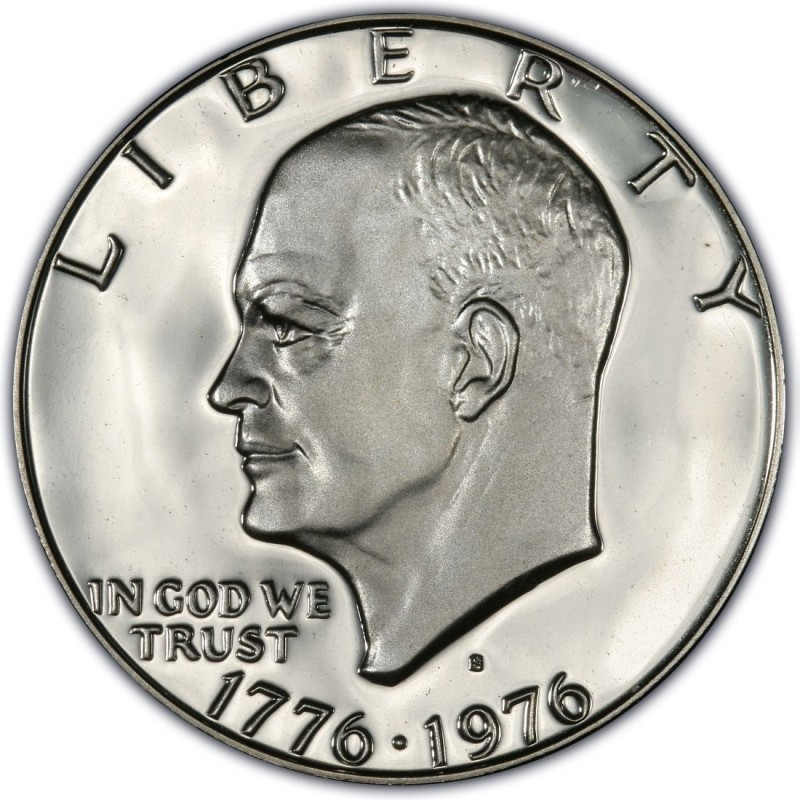
These coins were minted in San Francisco (indicated by an “S” mint mark above the date) and are composed of a 40% silver core. Because they contain real precious metal, their value is tied directly to the spot price of silver.
To identify if you have one of these, look for the “S” mint mark. If it is an “S” mint mark and the edge of the coin does not show the reddish copper strip visible on standard clad coins, it is likely the silver-clad variety. These coins are often sold in blue or brown presentation envelopes or hard plastic cases.
Calculating Silver Melt Value
The value of these coins fluctuates daily based on the commodities market. To calculate the value:
- Determine the current spot price of silver per troy ounce.
- Multiply the price by .316 (the approximate amount of pure silver content in the 40% silver Eisenhower dollar).
- As of current market conditions, these coins typically trade for a premium over their melt value due to their historical appeal, usually ranging from $8 to $15 depending on the market and the condition of the packaging.
Strategic Financial Decisions for Coin Owners
If you possess a collection of Bicentennial dollars, the question becomes one of financial strategy rather than just historical curiosity. Should you keep them, spend them, or sell them?
Evaluating Your Intent
If your primary goal is building wealth, Bicentennial dollars—even the silver ones—are generally considered low-yield assets. Silver prices are volatile and influenced by industrial demand, inflation, and global economic health. If you are holding these coins for their silver content, you are essentially holding a small commodities play.
For the copper-nickel versions, the best financial advice is to keep them if they hold sentimental value, or spend them if they do not. They are not effective tools for long-term capital appreciation.
Preservation and Storage
If you decide to keep your coins, proper storage is essential. Do not store coins in acidic paper envelopes or plastic bags that may contain PVC, as these can cause “green slime” and permanent damage to the coin’s surface. Instead, use inert, Mylar-based flips or archival-quality coin tubes. Proper storage preserves the surface of the coin, which is the only factor that could potentially elevate its value in the future should the numismatic interest in Eisenhower dollars shift.
Final Assessment
To maximize your potential return:
- Separate the Mint Marks: Pull out any coins with an “S” mint mark.
- Check for Errors: Use a jeweler’s loupe to inspect the lettering for any signs of doubling or misalignment.
- Assess Condition: If the coin has been in circulation, it has no premium value. Do not spend money on professional grading for common circulation coins.
- Monitor the Market: Use reputable websites like PCGS (Professional Coin Grading Service) or NGC (Numismatic Guaranty Company) to track current valuation trends.
In conclusion, the Bicentennial dollar is a fascinating piece of Americana that captures a specific moment in the country’s history. While most are worth only their face value, the silver-clad versions offer a modest, commodity-based investment. By understanding the difference between the standard circulation strike and the collector’s editions, you can make an informed decision on whether these coins belong in your investment portfolio or your daily spending cache.
aViewFromTheCave is a participant in the Amazon Services LLC Associates Program, an affiliate advertising program designed to provide a means for sites to earn advertising fees by advertising and linking to Amazon.com. Amazon, the Amazon logo, AmazonSupply, and the AmazonSupply logo are trademarks of Amazon.com, Inc. or its affiliates. As an Amazon Associate we earn affiliate commissions from qualifying purchases.