
The public fascination with Elon Musk transcends his roles as a CEO, engineer, and entrepreneur. As a central figure in the global zeitgeist, Musk’s personal brand is inextricably linked to his perceived personality traits, work habits, and public disclosures. When the public asks about his health or alleged “illnesses,” they are often attempting to reconcile the eccentricities of his behavior with the monumental scale of his professional output. From a branding perspective, understanding how Musk manages the narrative of his own neurodivergence and stamina is essential to decoding the corporate identity of his vast business empire.
The Intersection of Neurodiversity and Personal Branding
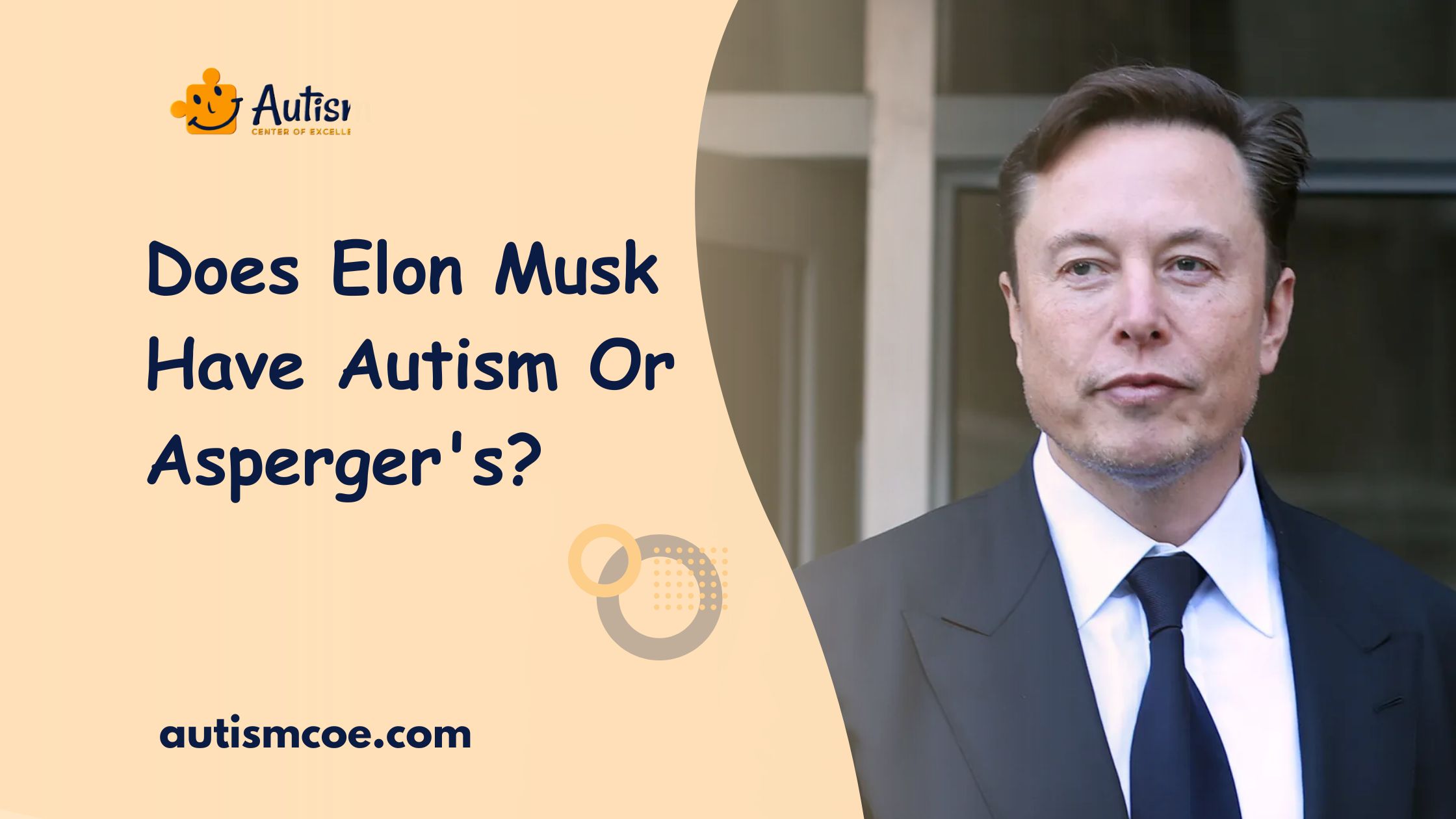
In May 2021, during a monologue on Saturday Night Live, Elon Musk disclosed that he has Asperger’s syndrome—now clinically classified under the umbrella of Autism Spectrum Disorder (ASD). This revelation was a watershed moment for his personal brand, shifting the discourse from speculation about his “erratic” behavior to a conversation about neurodiversity in leadership.
Reframing Traits as Competitive Advantages
In the context of personal branding, Musk does not frame his diagnosis as an illness or a limitation; he frames it as a “different operating system.” By leaning into his blunt communication style, his hyper-focus on specific technical problems, and his historical social friction, he has successfully rebranded these traits as the very engines of his innovation. In corporate branding, this is a masterful stroke of authenticity. By owning the narrative, Musk prevents the media from using his behavior as a critique of his stability, instead positioning it as the hallmark of a visionary who operates outside the boundaries of conventional social norms.
The Impact on Stakeholder Trust
For investors and employees, the disclosure of a diagnosis acts as a diagnostic tool for the brand itself. Musk’s brand is built on the promise of “First Principles” thinking—a methodology that ignores legacy systems and focuses on fundamental truths. When the market perceives his behavior as a byproduct of neurodivergence, it reinforces the belief that his companies—Tesla, SpaceX, and Neuralink—are immune to the “groupthink” that plagues more traditional corporate structures. This alignment between his personal cognitive profile and his organizational strategy creates a powerful, cohesive brand identity that values efficiency and radical problem-solving over social conformity.
Endurance as a Corporate Asset: The “Hardcore” Mythos
Beyond neurological disclosures, the public discourse regarding Musk’s “illness” often stems from his extreme work-life integration. His self-described “hardcore” approach to productivity—which includes sleeping on factory floors and maintaining a relentless schedule—invites concerns about physical health and burnout. In the world of high-stakes corporate strategy, this has become a core component of the “Founder Cult” archetype.
The Martyrdom of the CEO
Musk’s branding relies heavily on the image of the suffering creator. This archetype is not unique to him; it echoes the legacies of figures like Steve Jobs or Thomas Edison, who were also famous for their totalizing commitment to their work. Within his brand ecosystem, the perception of his physical and mental endurance serves as a signal of his dedication. It creates a “skin in the game” narrative. Investors are more likely to trust a CEO who appears willing to exhaust himself for the sake of the mission. When Musk is questioned about his health, he consistently redirects the conversation back to the mission of the companies, reinforcing the idea that the business is the primary entity, and his health is a secondary, sacrificeable resource.

Risks and Brand Liability
From a corporate governance perspective, this hyper-investment in the founder’s health creates a “key man risk” that investors are acutely aware of. If the personal brand is so tightly intertwined with the CEO’s stamina, any report of illness—whether physical or psychological—directly correlates to market volatility. The brand strategy here is to maintain a constant state of “emergency” or “urgency,” which keeps shareholders in a high-engagement, high-anxiety loop. This is a double-edged sword: it attracts investors looking for transformative growth, but it leaves the company vulnerable to any negative press regarding Musk’s personal well-being.
The Strategy of Public Vulnerability
Musk’s communication style is characterized by a lack of traditional PR filtering. Whether he is discussing his struggles with depression, his sleep patterns, or his social challenges, his willingness to share these facets of his life serves a specific branding purpose: radical transparency.
Humanizing the Machine
Corporations often struggle with the “faceless entity” problem. By positioning himself as a vulnerable, sometimes struggling individual, Musk mitigates the perception that he is an cold, detached tech-industrialist. This creates a parasocial connection with his audience. Fans and followers are not just buying into the tech; they are buying into the struggle of a man trying to save humanity from existential threats. This emotional investment acts as a buffer against negative news. When a company is led by a “mythic” figure, minor lapses in corporate performance are often forgiven in favor of continued support for the visionary’s broader journey.
Strategic Distraction and Narrative Control
Using personal disclosures as a tool for branding also functions as a powerful mechanism for narrative control. By being the first to reveal his diagnosis or describe his mental state, Musk retains the narrative high ground. It is significantly harder for competitors or critics to weaponize his “illnesses” against him when he has already integrated them into his own brand story. This is a sophisticated brand strategy: identifying potential vulnerabilities and transforming them into pillars of the public persona before they can be exploited by outsiders.
The Evolution of the Musk Brand Identity
As Musk moves further into the realms of AI, human-computer interfaces, and interplanetary travel, the definition of his “brand” continues to evolve. The public’s curiosity regarding his health is not merely a voyeuristic interest in a celebrity; it is a manifestation of the anxiety surrounding the future of technology itself.
From Human to Transhumanist Icon
The ultimate goal of Neuralink, one of Musk’s most ambitious ventures, is to bridge the gap between human biology and artificial intelligence. In this light, his discussions about his own neurological state take on a profound thematic weight. He is essentially piloting the hardware he expects others to eventually adopt. This creates a unified brand narrative where his personal cognitive health and his professional output in neurotech are two sides of the same coin. He is not just an entrepreneur; he is a prototype.

The Sustainability of the Brand
The critical question for the future of the Musk brand is whether this high-intensity, vulnerability-based approach remains sustainable as his companies mature. Startups thrive on the energy and chaos of a singular, visionary leader. Publicly traded conglomerates, however, often require a more traditional, stable, and predictable executive image. As Tesla and SpaceX shift from “disruptors” to “industry incumbents,” the market may begin to demand less “eccentric genius” and more “steady-state management.”
Whether Musk continues to thrive depends on his ability to evolve his personal brand alongside the corporate entities he leads. If he continues to frame his health and cognitive profile as a strength, he will continue to set the standard for modern corporate leadership. If, however, the narrative of “illness” or burnout begins to overshadow the narrative of “technological advancement,” the brand may face its first real crisis of confidence. For now, Musk remains the master of his own brand, using his life, his health, and his unique mind as the ultimate marketing tools in an era that values raw, unfiltered, and deeply human representation at the very top of the industrial hierarchy.
aViewFromTheCave is a participant in the Amazon Services LLC Associates Program, an affiliate advertising program designed to provide a means for sites to earn advertising fees by advertising and linking to Amazon.com. Amazon, the Amazon logo, AmazonSupply, and the AmazonSupply logo are trademarks of Amazon.com, Inc. or its affiliates. As an Amazon Associate we earn affiliate commissions from qualifying purchases.