
Entering into a title loan agreement often feels like a lifeline when you are facing an urgent financial crisis. By using your vehicle as collateral, you can access quick cash, often without the rigorous credit checks associated with traditional bank loans. However, the convenience of this financial instrument comes with significant risks. When the repayment terms are not met, the consequences extend far beyond a mere late fee, potentially impacting your mobility, your credit, and your overall financial stability. Understanding the lifecycle of a default is critical for anyone currently navigating this type of debt.

The Immediate Consequences of Missed Payments
When you miss a payment on a title loan, the clock immediately begins to tick. Unlike unsecured personal loans, where the primary consequence is a hit to your credit score or a collections call, title loans are secured by a tangible asset.
Late Fees and Penalty Interest
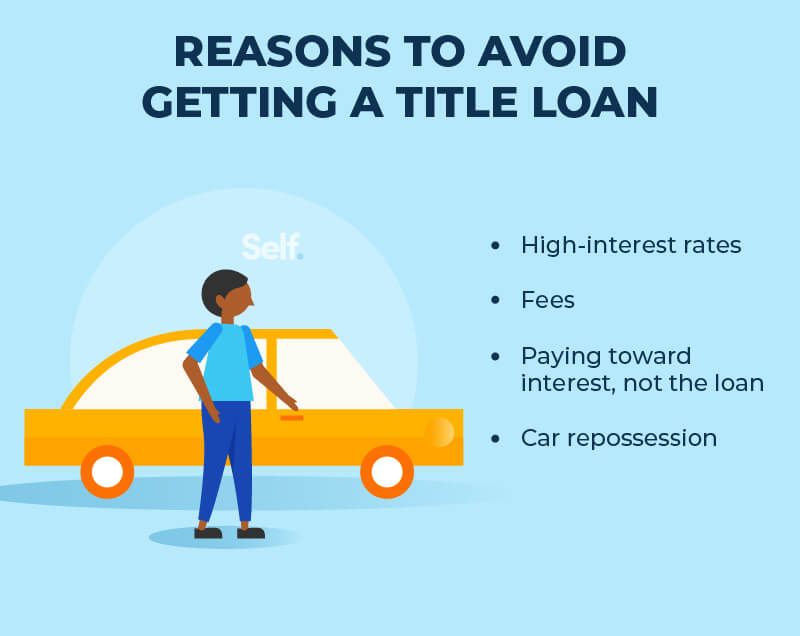
Most title loan agreements are front-loaded with aggressive penalty structures. The moment your grace period expires, you will likely be hit with late fees. These fees are not just one-time charges; they often compound daily or weekly. Furthermore, because title loans carry high annual percentage rates (APRs), your balance can balloon rapidly. The interest accrued on a missed payment is often calculated on the total outstanding principal, meaning that a single missed installment can significantly increase the total cost of the loan, making it even harder to catch up in subsequent months.
Communication and Collections
Before a lender resorts to repossession, they will attempt to contact you. It is a common mistake to ignore these calls or letters out of fear or embarrassment. However, lenders are required by law to follow certain collection practices. Ignoring these communications can speed up the process toward repossession, as the lender views a lack of response as an indication that you do not intend to pay. Proactive communication is usually the best strategy; even if you cannot pay the full amount, notifying the lender of your situation can sometimes lead to a temporary modification of terms, though this is never guaranteed.
The Repossession Process: When the Lender Claims the Vehicle
The most severe consequence of defaulting on a title loan is the repossession of your vehicle. Because the lender holds the title—and therefore a lien on your property—they have the legal right to take possession of the vehicle if the terms of the loan are breached.
Understanding “Self-Help” Repossession
In many jurisdictions, lenders are permitted to engage in “self-help” repossession. This means they do not necessarily need a court order to take your car. They can hire a repossession agent to locate and tow your vehicle, often during the night or while you are at work. While the law usually prohibits a “breach of the peace”—meaning they cannot physically threaten you or break into a locked garage to get the vehicle—they have significant latitude in where and when they retrieve the collateral.
Post-Repossession Notice
Once the car is taken, the lender is generally required to provide you with a notice of their intent to sell the vehicle. This notice typically includes the time and place of the sale, whether it will be a public auction or a private sale, and the amount you owe, including the original loan balance, accrued interest, and any costs incurred for the repossession process (such as towing fees and storage costs). At this stage, you may still have a “right of redemption,” which allows you to reclaim your vehicle by paying the full outstanding balance, including the additional collection expenses, before the car is sold.
The Financial Aftermath of a Sale
If you are unable to reclaim the vehicle before the auction, the lender will sell it to recover their losses. However, the story rarely ends when the hammer falls at the auction.
Deficiency Balances
It is a common misconception that once the car is sold, the loan is considered “paid in full.” In many cases, the sale price of the vehicle at auction is significantly lower than its market value or the total amount owed on the loan. If the proceeds from the sale do not cover the outstanding loan balance, the lender will hold you responsible for the “deficiency balance.” This is a legal debt that the lender can pursue through wage garnishment, bank account levies, or by selling the debt to a collection agency, which will continue to haunt your credit report for years.
The Impact on Credit Scores
While title loans are often marketed as “no credit check” loans, the fallout from a default is anything but credit-neutral. Once the loan enters default and moves into the collections phase, the lender will likely report the delinquency to major credit bureaus. A repossession remains on your credit report for seven years, signaling to future lenders—such as mortgage providers, car dealerships, or even landlords—that you have defaulted on a secured debt. This can lead to higher interest rates on future loans or outright denial of credit, creating a cycle of financial difficulty that can take years to reverse.
Navigating Alternatives and Prevention
Given the high stakes involved with title loans, prevention and proactive management are the most effective strategies for maintaining your financial health.
Negotiating Before Default
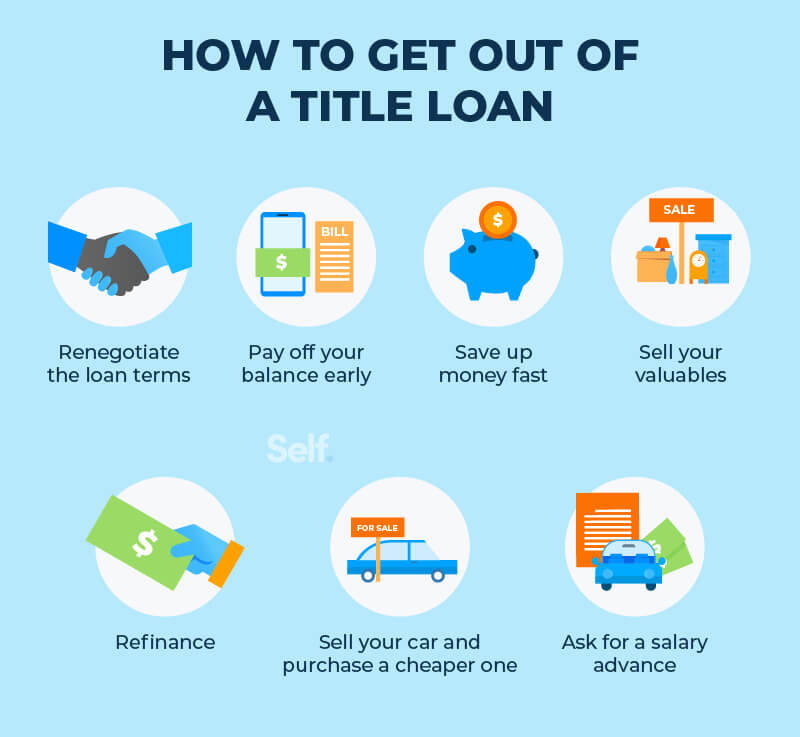
If you sense that you will not be able to make a payment, do not wait until the due date passes. Contact your lender immediately. Some lenders may be willing to offer a “rollover” or an extension. While these options often come with additional fees and interest, they are far less destructive than a repossession. A rollover effectively resets the loan term, providing you with more breathing room, though you must be aware that this can lead to a “debt trap” where the total interest paid far exceeds the value of the original loan.
Exploring Refinancing and Consolidation
If your title loan interest rate is bleeding your budget dry, look for opportunities to refinance. Some credit unions and community banks offer smaller personal loans that can be used to pay off high-interest title loans. By switching to a lower-interest, fixed-term installment loan, you can remove the lien from your car and stabilize your monthly expenses. Furthermore, if you are struggling with multiple debts, credit counseling services can help you structure a repayment plan that prioritizes your title loan to prevent the loss of your primary mode of transportation.
Long-Term Financial Planning
Ultimately, the best way to avoid the pitfalls of a title loan is to build an emergency fund. Even small, incremental savings can prevent the need for high-interest debt during a crisis. If you have already taken out a title loan, treat it as your highest priority debt. Dedicate all available surplus income toward the principal, as the faster you can pay down the balance, the less risk you face from the predatory interest rates that define the industry.
Defaulting on a title loan is a serious financial event that can result in the loss of your vehicle, a significant deficiency balance, and long-term damage to your credit profile. By understanding the mechanics of how these loans work, the reality of the repossession process, and the strategies for mitigation, you can better protect yourself from the catastrophic outcomes that often follow a failure to repay. If you find yourself in a position of default, take immediate action to communicate, negotiate, and explore alternative financing to safeguard your property and your financial future.
aViewFromTheCave is a participant in the Amazon Services LLC Associates Program, an affiliate advertising program designed to provide a means for sites to earn advertising fees by advertising and linking to Amazon.com. Amazon, the Amazon logo, AmazonSupply, and the AmazonSupply logo are trademarks of Amazon.com, Inc. or its affiliates. As an Amazon Associate we earn affiliate commissions from qualifying purchases.