
The Automated Clearing House (ACH) network is the backbone of modern electronic banking in the United States. Used for everything from direct deposits and utility bill payments to B2B invoice settlements, ACH transfers are prized for their efficiency and low cost. However, because these transactions are processed in batches rather than in real-time, the financial system must account for scenarios where a payment fails. When an ACH transaction cannot be completed, it is “returned.” Understanding the mechanics, implications, and resolution processes behind these returns is essential for businesses and individuals alike to maintain financial health and credit standing.

The Mechanics of an ACH Return
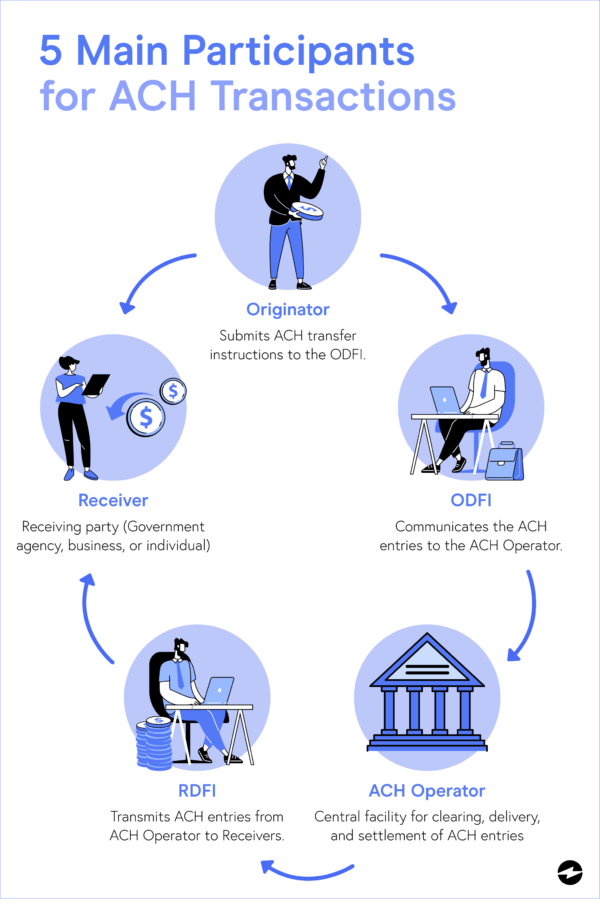
An ACH return occurs when the Originating Depository Financial Institution (ODFI)—the sender’s bank—submits a transaction, but the Receiving Depository Financial Institution (RDFI)—the receiver’s bank—determines that the transaction cannot be posted to the recipient’s account. This process is governed by strict rules set by Nacha (the National Automated Clearing House Association), which manages the development and administration of the ACH network.
Why Returns Happen
Returns are rarely arbitrary; they are categorized by specific Reason Codes that dictate why the transaction failed. The most common reasons include:
- Insufficient Funds (R01): The most frequent return, occurring when the account holder lacks the balance required to cover the debit.
- Account Closed (R07): The recipient has shuttered the account to which the funds were directed.
- No Account/Unable to Locate Account (R03): This often stems from a clerical error where the routing or account number provided was transposed or incorrect.
- Unauthorized Debit (R05/R07/R10): The account holder claims they never authorized the transaction, often leading to a dispute.
- Stop Payment (R08): The account holder has specifically instructed their bank to block a recurring charge from a specific vendor.
The Timeline of a Return
Unlike credit card transactions, which often settle or deny instantly, ACH returns follow a specific window. While most standard ACH debits have a two-business-day window for the RDFI to return the item, certain circumstances—such as unauthorized entries—can allow for an extended return period, sometimes stretching up to 60 days for consumer accounts. This temporal gap is why merchants often wait several days before considering an ACH payment “cleared.”
Financial Consequences for Businesses and Consumers
The impact of an ACH return varies significantly depending on whether you are the originator of the payment or the recipient.
For the Business Originator
If you are a business collecting payments, an ACH return is a logistical and financial hurdle. First, you lose the anticipated cash flow. Second, you incur “Return Fees.” While the bank charges the business a fee for processing the return, many businesses mitigate this by including a “Returned Item Fee” clause in their service agreements with customers.
Beyond direct costs, a high rate of ACH returns can jeopardize your relationship with your payment processor. Processors monitor “return rates” closely. If a business consistently hits high return thresholds, it may be flagged for risk, resulting in increased processing fees, the requirement of a rolling reserve, or the outright termination of the merchant account.
For the Individual Consumer
For individuals, an ACH return can be more than an inconvenience; it can damage their financial reputation. If an ACH payment bounces due to insufficient funds, the bank may charge an Overdraft or Non-Sufficient Funds (NSF) fee. If the payment was for a recurring bill, the merchant might also charge a penalty fee for a late or failed payment. Repeated failed ACH transactions can lead to a negative entry in databases like ChexSystems, which banks use to screen applicants for new accounts, potentially making it difficult for the individual to open checking or savings accounts in the future.
Strategic Mitigation and Best Practices
Preventing ACH returns is far more efficient than managing the fallout after they occur. By implementing robust verification and communication workflows, businesses can significantly lower their return ratios.
Verification Tools and Pre-Notes
One of the most effective ways to avoid “No Account” errors is to utilize the “Pre-note” system. A pre-note is a zero-dollar transaction sent through the ACH network to verify that the account information provided is valid and belongs to an active account. While this adds a few days to the setup process, it acts as a safety net before any actual capital changes hands.
Furthermore, businesses should employ Account Validation services. Modern APIs can cross-reference routing and account numbers against real-time banking data to identify incorrect information before the first payment attempt is ever submitted.
Proactive Communication
In many instances, ACH returns happen simply because a customer forgot about a recurring charge or failed to update their funding source. Implementing automated payment reminders—sent via email or SMS 48 hours before a debit—can drastically reduce the frequency of R01 (Insufficient Funds) errors. When a payment does fail, reaching out to the customer immediately to update their payment method often converts a failed transaction into a successful one without the need for debt collection or legal intervention.
Understanding Consumer Authorization
To protect against unauthorized return claims, businesses must ensure they hold a clear, signed Authorization Agreement (or a digital equivalent, such as an e-signature or recorded authorization). Under Nacha rules, the burden of proof lies with the originator. If a customer files a dispute claiming they didn’t authorize a charge, having a clear digital trail is the only way to contest the return and ensure the funds are eventually recovered.
Managing the Aftermath of a Return
When a return occurs, the goal is to reconcile the account and decide on the next course of action. This is where business finance and customer relations intersect.
Re-presentment Rules
If a payment is returned due to insufficient funds (R01), the business may choose to re-present the transaction. Nacha rules generally allow an originator to re-initiate an ACH debit up to two times after an initial return. However, this must be done within specific time frames (usually 180 days from the original settlement date). It is crucial that the business clearly identifies these subsequent attempts as re-presentments to avoid further friction with the customer’s bank.

Reconciliation and Debt Recovery
When re-presentment is not an option—or if the second attempt also fails—the business must shift its approach to traditional accounts receivable management. This involves:
- Notifying the customer: Send a formal notice that the payment was returned and request immediate alternative payment (e.g., via credit card or wire transfer).
- Updating the customer file: Ensure the faulty payment method is flagged or removed to prevent repeated errors.
- Evaluating the account: If a customer has multiple returns, it may be time to move them off the ACH network entirely and require “guaranteed funds” like certified checks or money orders, even if that imposes a higher administrative burden on the business.
Ultimately, the ACH network is a high-trust system. While the infrastructure is designed to handle occasional errors, a well-run business must view ACH returns not just as an accounting nuisance, but as a risk-management indicator. By treating the authorization process with rigor and staying diligent in monitoring return codes, companies can leverage the cost-effectiveness of ACH payments while maintaining the financial security required for long-term growth.
aViewFromTheCave is a participant in the Amazon Services LLC Associates Program, an affiliate advertising program designed to provide a means for sites to earn advertising fees by advertising and linking to Amazon.com. Amazon, the Amazon logo, AmazonSupply, and the AmazonSupply logo are trademarks of Amazon.com, Inc. or its affiliates. As an Amazon Associate we earn affiliate commissions from qualifying purchases.