
The departure of Michael Learned, the actress who portrayed the beloved matriarch Olivia Walton on the iconic television series The Waltons, serves as a fascinating case study in personal branding and the delicate balance between professional commitment and personal evolution. While audiences often conflate actors with their characters, the strategic decisions made by performers during the height of their fame reveal a great deal about the mechanics of sustaining a long-term professional reputation in a high-stakes industry. Understanding why a lead actress would choose to step away from a lucrative, culture-defining role requires a deep dive into the branding of “the mother figure” and the necessity of artistic reinvention.
The Constraints of Archetypal Branding
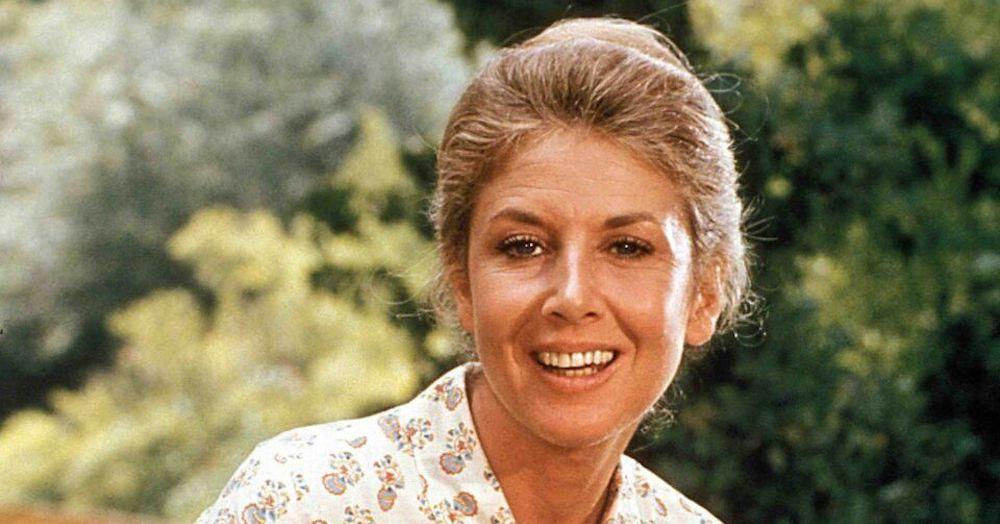
In the television industry, branding is everything. When Michael Learned stepped into the role of Olivia Walton in 1972, she was essentially becoming the personification of the American maternal ideal. For a decade, her personal brand became inextricably linked with the values of the character: patience, stoicism, morality, and unwavering family loyalty.
The Double-Edged Sword of Typecasting
Typecasting is the silent killer of long-term personal brands. When an actor is synonymous with a singular, powerful archetype, the audience’s perception of that individual becomes rigid. For Learned, the success of The Waltons was both a blessing and a structural limitation. Her brand strategy—consciously or subconsciously—became defined by the limitations of the script. To remain in the public consciousness as an artist, she eventually had to break the cycle of being “Olivia Walton” to reclaim her own professional identity.
The Shift from Character to Actor
The professional trajectory of any performer relies on the ability to pivot. As the series progressed, the character of Olivia faced health challenges that mirrored the actress’s own desire for creative expansion. By stepping back from the series in the later seasons, Learned was performing a high-level act of brand management. She was signaling to casting directors, producers, and the public that she was not a fixture of the Depression-era landscape, but a dynamic professional capable of inhabiting diverse roles. This transition is essential for any personal brand that seeks longevity beyond a single, defining project.
Strategic Exit: The Economics of Professional Evolution
Many fans were puzzled when Olivia Walton was written out of the show via a tuberculosis diagnosis that sent her to a sanitarium. From a narrative perspective, it was a tragic turn; from a professional branding perspective, it was a necessary separation of assets.
The Risk of Stagnation
A personal brand begins to lose its market value when it stops evolving. When an actor stays in one role for too long, they lose the “scarcity factor.” The audience grows so accustomed to the presence of the character that the actor’s unique talent becomes obscured by the familiarity of the role. Learned’s decision to move on allowed her to test her marketability elsewhere. By removing herself from the Waltons brand, she forced a revaluation of her professional worth in the eyes of the industry.
Rebuilding a Brand Post-Exit
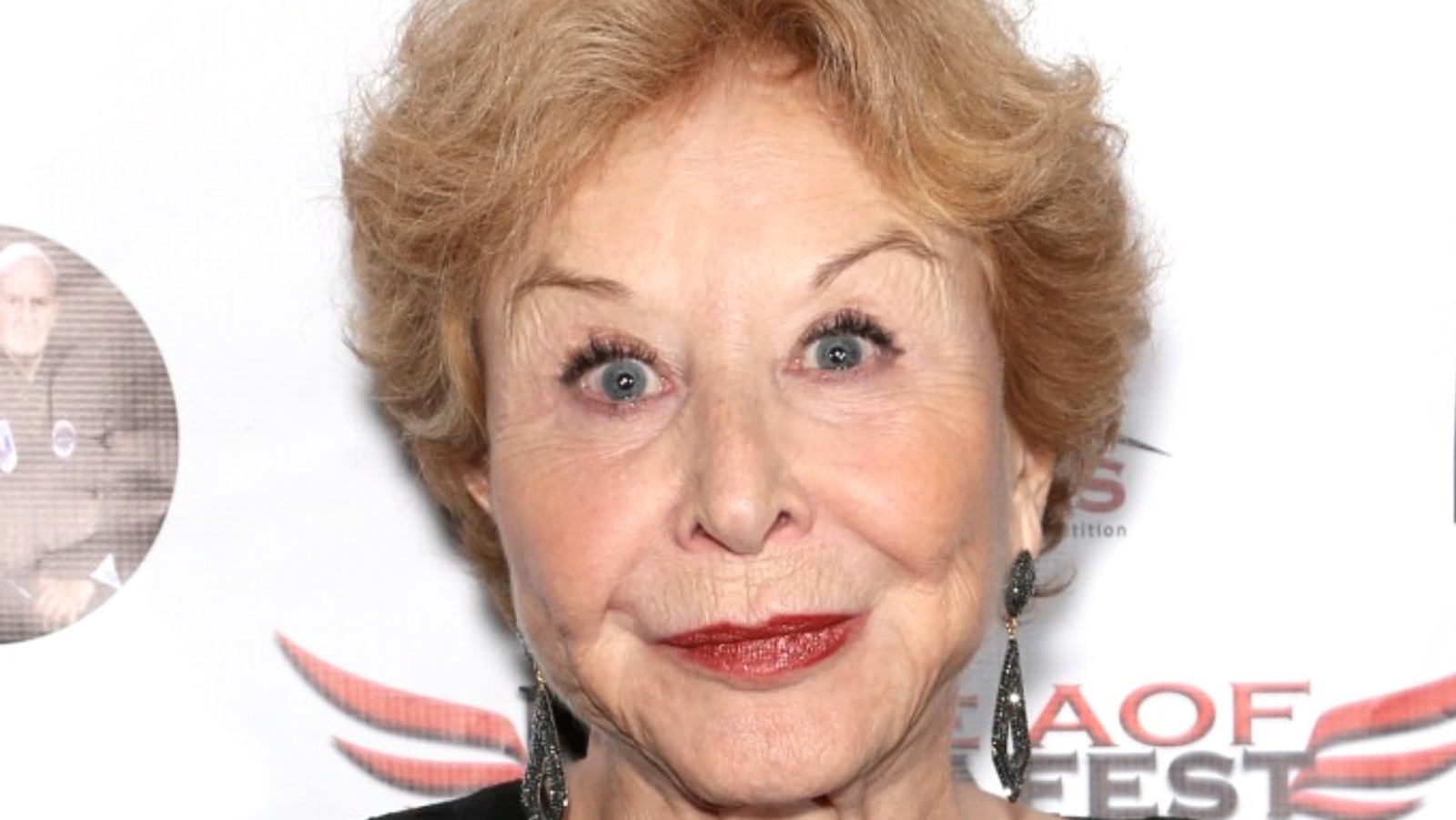
Once the “mother of the Walton family” brand was set aside, the challenge shifted to rebranding. Learned had to pivot toward projects that highlighted her range, taking on roles in theatre and later drama series that stood in stark contrast to her previous work. This is a common strategy in corporate and personal branding: when a brand is too firmly established in one sector, the only way to grow is to move into a different space entirely, effectively resetting the narrative for the audience. The success of this move is measured by how well the public accepts the new, diverse portfolio compared to the original, singular masterpiece.
Longevity and the Legacy of Consistency
Despite her departure, the “Olivia Walton” brand remained a cornerstone of Learned’s career. The key to successful long-term branding is not necessarily to discard the past, but to integrate it into a larger, more complex professional identity.
Maintaining Equity in a Past Role
Learned handled her legacy with precision. She didn’t disown the character; she grew beyond it. In the world of branding, this is known as “equity retention.” She remained a beloved figure in television history while concurrently building a reputation as a versatile actress who could tackle complex, non-maternal roles. This allowed her to benefit from the nostalgia-driven appeal of her past successes while still being considered a viable candidate for contemporary, cutting-edge roles.
The Balance of Public Perception and Private Agency
What “happened” to the mother on The Waltons was a deliberate act of agency. In the broader context of personal branding, the lesson is clear: your career is not defined by the character you play, but by the choices you make when the cameras stop rolling. The professional who understands that they are the primary steward of their own brand is the one who survives the end of a series, the death of a trend, or the shift in market demand.
Lessons for the Modern Personal Brand
If we view the career trajectory of Michael Learned through the lens of modern branding strategy, we can extract several universal truths applicable to anyone managing their own public identity or business profile.
Owning Your Narrative
The most successful brands are those that take control of their story before someone else does. By choosing when and how to exit a defining role, Learned kept the power dynamic in her favor. In any career, being the architect of your own departure is infinitely better than being discarded by external market forces. Whether you are transitioning out of a legacy company, pivoting your freelance services, or changing your professional focus, the manner in which you exit your current “role” determines the narrative foundation for your next venture.
Diversification as a Hedge Against Obsolescence
The primary reason for the “what happened to…” curiosity is that the audience often stops seeing the person behind the brand. To avoid this, successful professionals must continuously introduce new layers to their brand identity. Learned’s move into theater and diverse television guest spots was her way of diversifying her brand assets. By ensuring her name was associated with more than just one specific project, she made herself less vulnerable to the fluctuations of a single series’ popularity.

Final Reflection
The curiosity surrounding the absence of Olivia Walton is a testament to the power of the brand Learned created. She succeeded in crafting a character that became a household staple, yet she possessed the foresight to understand that the brand needed to evolve if her career was to remain robust. Ultimately, what “happened” to the mother on The Waltons was a calculated transition, a reminder that the best brand strategists are the ones who know exactly when to shift their focus from the past to the future. By maintaining her professionalism and expanding her artistic repertoire, Learned ensured that her legacy would be defined not by the end of a television show, but by the enduring quality of her professional craft.
aViewFromTheCave is a participant in the Amazon Services LLC Associates Program, an affiliate advertising program designed to provide a means for sites to earn advertising fees by advertising and linking to Amazon.com. Amazon, the Amazon logo, AmazonSupply, and the AmazonSupply logo are trademarks of Amazon.com, Inc. or its affiliates. As an Amazon Associate we earn affiliate commissions from qualifying purchases.