
The narrative of Sam Bradford in the National Football League is often reduced to injury reports and debates over “what could have been.” However, when analyzed through the lens of personal finance and wealth management, Bradford’s career stands as one of the most remarkable examples of maximizing human capital and securing long-term financial independence in professional sports. While critics focused on his time spent on the sidelines, Bradford quietly executed one of the most lucrative and financially sound careers in NFL history.
The Strategy of the Rookie Wage Scale
Before the 2011 collective bargaining agreement (CBA) fundamentally altered the landscape of NFL contracts, rookies were able to negotiate deals without a pre-determined pay ceiling. This unique window in economic history allowed Bradford to maximize his initial earnings to an extent that future generations of athletes could never replicate.

Maximizing Initial Capital
When the St. Louis Rams selected Sam Bradford with the first overall pick in the 2010 NFL Draft, the league was still operating under the old rookie pay structure. Bradford signed a six-year, $78 million contract, with a staggering $50 million in guaranteed money. At the time, this was the largest contract ever signed by a rookie. By securing this massive influx of liquidity at the age of 22, Bradford was positioned to leverage the power of compound interest and early-stage investment far earlier than his peers.
The Value of Liquidity in a High-Risk Career
The professional athlete’s career is inherently precarious, with a high probability of career-ending injury at any moment. By securing a record-breaking guarantee, Bradford mitigated the financial volatility associated with the sport. From a financial planning perspective, he transitioned from a high-risk earner to a capital allocator almost immediately upon entering the league. This allowed him to focus on asset preservation during his subsequent years in the NFL, rather than chasing additional earnings through dangerous physical play.
Navigating Contract Negotiations and Market Value
Following his tenure with the Rams, Bradford’s career path became a case study in market valuation and the importance of professional representation. Despite various physical setbacks, his ability to negotiate high-value, short-term contracts revealed a sophisticated understanding of his own market worth and the leverage available to a veteran quarterback.
The Art of the Short-Term High-Yield Contract
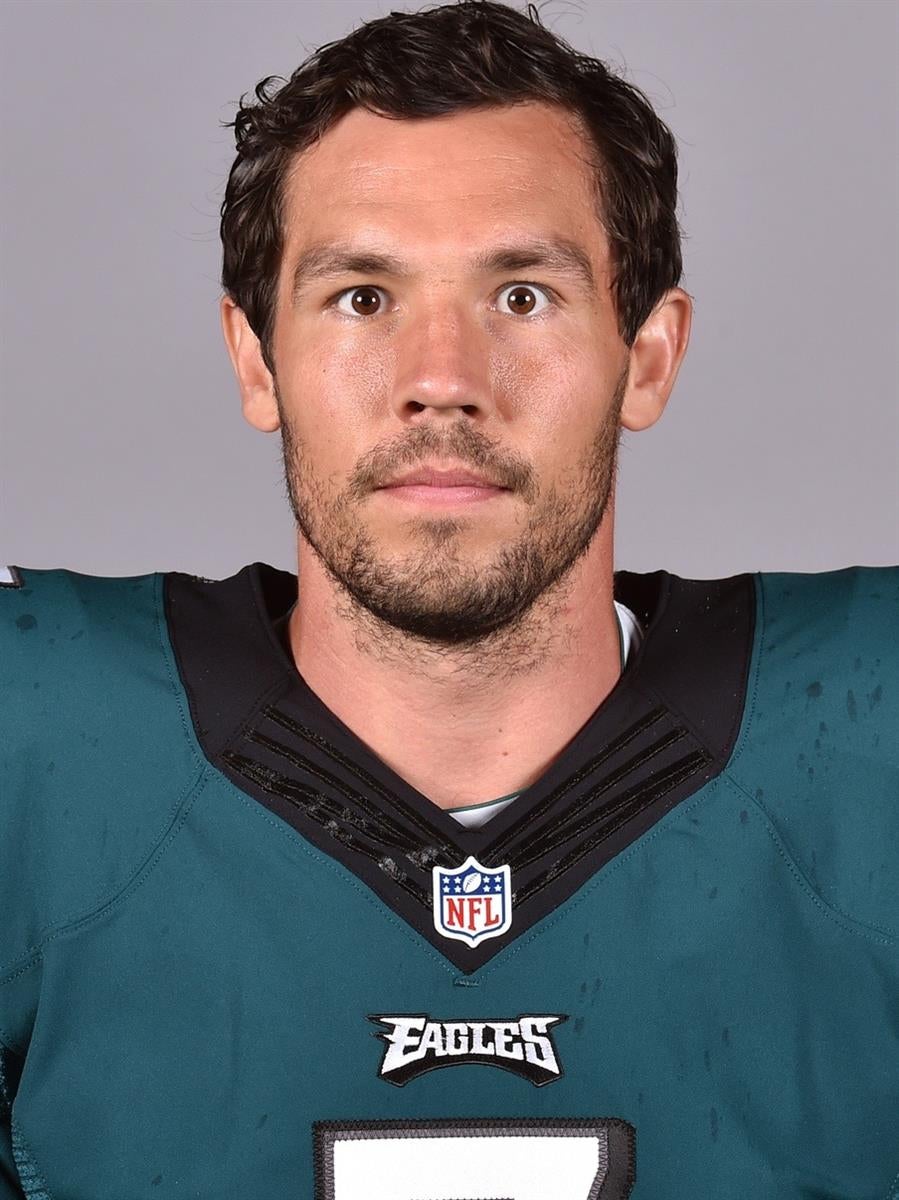
In the later stages of his career, Bradford moved away from long-term, back-loaded deals and toward high-value, short-term contracts. His time with the Philadelphia Eagles, Minnesota Vikings, and Arizona Cardinals saw him commanding significant annual salaries. By focusing on high average annual values (AAV) rather than multi-year commitments, he kept his risk profile low while maintaining a high flow of income.
Leveraging Scarcity in the Quarterback Market
Bradford understood a fundamental tenet of economics: scarcity drives value. In a league desperate for competent quarterback play, a veteran with Bradford’s pedigree—regardless of his injury history—remained a premium asset. He consistently positioned himself as the “best available” option in free agency cycles. This strategic positioning ensured that his earning potential remained high even as his physical health became a point of contention among fans. By the time he retired, he had amassed over $130 million in career NFL earnings, an achievement that highlights his ability to command market-leading compensation repeatedly.
The Paradigm of Personal Financial Sustainability
While the media focused on “what happened” to his on-field production, the more compelling story lies in what happened to his capital. Bradford’s journey provides a blueprint for how professional athletes can exit their high-income years with their financial health intact, regardless of the trajectory of their athletic performance.
Risk Management and Asset Allocation
A critical failure for many professional athletes is the inability to transition from “earning” to “preserving.” Data suggests that a significant percentage of professional athletes face financial instability within five years of retirement. Bradford’s financial path suggests a departure from this trend. By securing large, guaranteed tranches of capital, he was able to pivot toward diversified portfolios rather than relying on high-risk ventures or speculative businesses.
Long-Term Financial Independence
For the average professional, the goal is to accumulate enough capital to sustain a lifestyle without relying on active income. Bradford achieved this milestone before his 30th birthday. By effectively “cashing out” through elite contract negotiations and avoiding the trap of chasing lost glory through underpaid contracts, he secured his lifestyle. When the physical toll of football reached a point of diminishing returns, he possessed the financial luxury of walking away on his own terms. His exit from the league was not a collapse, but a strategic retirement born from a position of absolute financial strength.
Lessons in Brand Equity and Human Capital
Beyond the raw numbers, Sam Bradford’s career teaches a vital lesson in the value of human capital. Often, individuals—whether in sports, corporate leadership, or technology—feel pressured to “grind” until they are completely exhausted. Bradford’s career suggests that there is immense value in knowing when your market value has peaked and when it is time to preserve the assets you have acquired.
Defining Personal Success
In the context of wealth management, success is not defined by accolades or longevity, but by the delta between what you earn and what you retain. Bradford maintained his personal brand by being a consummate professional, rarely inviting the drama or public scrutiny that often leads to endorsement losses or reputational damage. By maintaining a clean brand, he ensured that his post-career opportunities remain open, unburdened by the baggage of a messy departure from the public eye.

The Final Assessment
When observers ask “what happened to Sam Bradford,” the answer from a financial perspective is simple: he won. He successfully navigated a high-variance industry, captured a significant portion of the available wealth, and exited the sector with his net worth intact and his future secured. He avoided the common pitfalls of the “sunk cost fallacy,” where athletes continue to sacrifice their long-term health for incremental gains that do not meaningfully impact their lifetime net worth.
By prioritizing guaranteed compensation and exercising fiscal discipline, Bradford transformed his athletic talent into a vehicle for lifelong prosperity. His career serves as a roadmap for any high-earning professional: secure the guarantee, understand the scarcity of your skillset, and know exactly when the risk-reward ratio of your active career no longer aligns with your long-term financial objectives. In the landscape of professional sports, where the average career is short and the physical cost is high, Sam Bradford’s financial story is not one of failure, but one of calculated, systematic success. He didn’t just play the game; he successfully leveraged the economics of the game to ensure his financial future remained untouchable.
aViewFromTheCave is a participant in the Amazon Services LLC Associates Program, an affiliate advertising program designed to provide a means for sites to earn advertising fees by advertising and linking to Amazon.com. Amazon, the Amazon logo, AmazonSupply, and the AmazonSupply logo are trademarks of Amazon.com, Inc. or its affiliates. As an Amazon Associate we earn affiliate commissions from qualifying purchases.