
The liver, a powerhouse organ responsible for over 500 vital functions, is a complex ecosystem. One of the less understood, yet critically important, aspects of liver health involves its intricate vascular system and the potential for blood clots to form within it. While the immediate answer to “what causes blood clots in the liver” resides squarely in the realm of medicine, understanding this phenomenon can be amplified and contextualized through the lenses of technology, brand perception, and financial implications. This article will explore the medical causes of liver blood clots, then pivot to how technological advancements are impacting diagnosis and treatment, how brand messaging around liver health is evolving, and finally, the financial considerations for individuals and the healthcare system.
Understanding the Medical Landscape: The Genesis of Liver Blood Clots
Blood clots, medically termed thrombi, are essential for hemostasis – the process of stopping bleeding. However, when they form inappropriately within blood vessels, they can lead to serious health complications. In the liver, blood clots can occur in several key veins, the most significant being the hepatic veins (which drain blood from the liver) and the portal vein (which supplies blood to the liver).
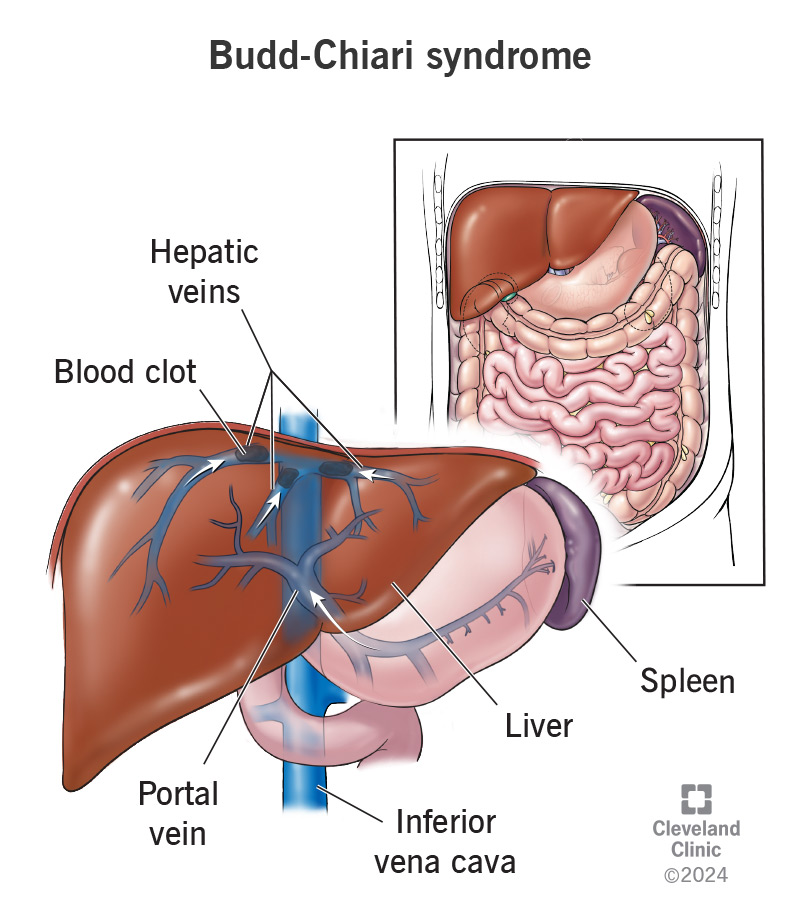
Hepatic Vein Thrombosis (Budd-Chiari Syndrome)
This is perhaps the most direct answer to “what causes blood clots in the liver” when referring to the main outflow vessels. Budd-Chiari syndrome occurs when the hepatic veins become blocked. The causes are diverse and often multifactorial, but can be broadly categorized:
- Inherited Blood Clotting Disorders (Thrombophilias): This is a significant contributing factor. Conditions like Factor V Leiden mutation, prothrombin gene mutations, and deficiencies in natural anticoagulants (protein C, protein S, antithrombin) predispose individuals to abnormal clot formation. These genetic predispositions mean the blood is more likely to clot than it should.
- Acquired Conditions Affecting Blood Coagulability:
- Myeloproliferative Neoplasms (MPNs): These are bone marrow disorders where the body produces too many red blood cells, white blood cells, or platelets. Conditions like polycythemia vera and essential thrombocythemia increase blood viscosity and the tendency to clot.
- Paroxysmal Nocturnal Hemoglobinuria (PNH): A rare acquired disorder where red blood cells are abnormally fragile and prone to destruction, PNH also carries a high risk of thrombosis.
- Inflammatory Conditions: Chronic inflammatory diseases like inflammatory bowel disease (IBD), systemic lupus erythematosus (SLE), and Behçet’s disease can contribute to a pro-thrombotic state.
- Hormonal Factors: Certain hormone therapies, including oral contraceptives and hormone replacement therapy (HRT), particularly in women with other risk factors, can increase the risk of clot formation. Pregnancy itself also alters clotting factors.
- Malignancy: Cancers, especially certain types like hepatocellular carcinoma (liver cancer) or pancreatic cancer, can increase the risk of blood clots due to the release of pro-coagulant substances.
- Infections: Severe infections (sepsis) can trigger disseminated intravascular coagulation (DIC), a complex disorder where widespread clotting and bleeding occur simultaneously.
- Mechanical Obstruction:
- Liver Cirrhosis and Liver Tumors: As the liver becomes scarred (cirrhosis) or as tumors grow, they can compress or infiltrate the hepatic veins, leading to stasis of blood flow and increasing the likelihood of clot formation.
- Compression from Adjacent Structures: Though less common, tumors or enlarged organs near the hepatic veins can exert external pressure.
- Trauma and Surgery: Direct injury to the hepatic veins during surgery or trauma can initiate clot formation.
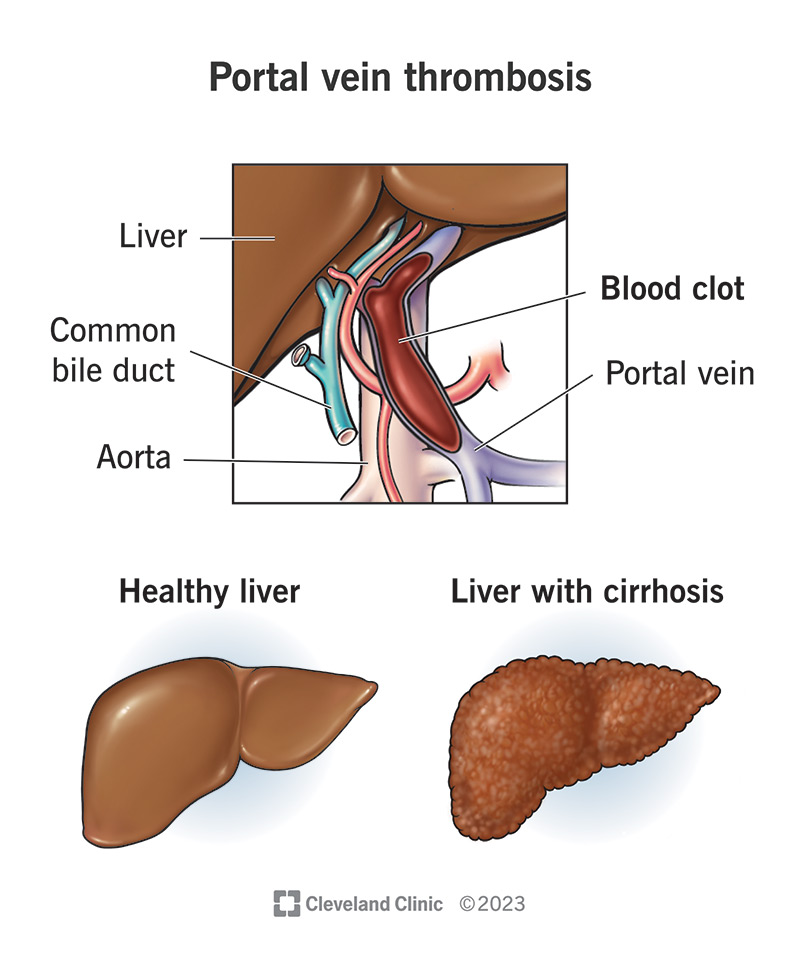
Portal Vein Thrombosis (PVT)
While distinct from hepatic vein thrombosis, portal vein thrombosis also involves blood clots within the liver’s vascular system, specifically in the portal vein. PVT can have its own set of causes, often overlapping with Budd-Chiari syndrome, but also including:
- Cirrhosis: This is a leading cause of PVT. The scarred liver tissue leads to increased pressure within the portal vein (portal hypertension), causing blood to pool and increasing the risk of clotting.
- Local Factors: Inflammation or infection of organs that drain into the portal vein, such as appendicitis, diverticulitis, or pancreatitis, can lead to clot formation that extends into the portal vein.
- Hypercoagulable States: Similar to hepatic vein thrombosis, inherited or acquired thrombophilias are significant risk factors.
- Malignancy: Cancers, particularly those affecting abdominal organs, can directly invade or compress the portal vein.
- Abdominal Surgery or Trauma: Procedures or injuries to the abdomen can damage the portal vein or its surrounding tissues, initiating thrombosis.
- Certain Medical Devices: Indwelling catheters or other medical devices in the abdominal region have been associated with an increased risk of PVT.
The consequences of blood clots in the liver can range from asymptomatic findings to severe liver damage, portal hypertension, ascites (fluid buildup in the abdomen), and even liver failure. Early diagnosis and intervention are crucial.
Leveraging Technology: Advancements in Detection and Treatment
The phrase “what causes blood clots in liver” often leads to a need for precise diagnostic tools. Fortunately, technological advancements have revolutionized how we identify, monitor, and treat these complex conditions.
Diagnostic Imaging: Seeing the Invisible
The cornerstone of diagnosing liver blood clots lies in sophisticated imaging techniques.
- Ultrasound with Doppler: This non-invasive technique uses sound waves to create images of internal organs. Doppler ultrasound specifically measures blood flow, allowing physicians to detect areas of reduced or absent flow, indicative of a clot. It’s often the first-line imaging modality due to its accessibility and speed.
- Computed Tomography (CT) Angiography: CT scans use X-rays to create detailed cross-sectional images. When combined with contrast dye injected into the bloodstream, CT angiography provides highly detailed visualization of the blood vessels, clearly showing the location and extent of thrombi. This is invaluable for complex cases and for assessing the impact of the clot on surrounding liver tissue.
- Magnetic Resonance Imaging (MRI) and MR Angiography (MRA): MRI uses magnetic fields and radio waves to generate detailed images. MRA is particularly effective at visualizing blood vessels without the need for contrast dye in some instances, although contrast-enhanced MRI is often used for maximum detail. MRI can also differentiate between fresh and old clots and assess the underlying liver parenchyma for damage.
- Conventional Angiography: While less common now as a primary diagnostic tool, conventional angiography involves injecting contrast dye directly into the blood vessels and taking X-ray images. It remains the gold standard for precise anatomical detail and can sometimes be therapeutic (e.g., to administer clot-busting medication directly at the clot site).
Digital Health and AI: Enhancing Precision and Prediction
The integration of digital health and artificial intelligence (AI) is beginning to play a more prominent role in the management of liver blood clots.
- AI-Powered Image Analysis: AI algorithms are being trained to analyze medical images (CT, MRI) to detect subtle signs of thrombosis that might be missed by the human eye. This can lead to earlier diagnosis and more accurate assessment of clot burden.
- Predictive Analytics: By analyzing vast datasets of patient information, AI can help identify individuals at higher risk of developing blood clots. This allows for proactive monitoring and preventative measures, moving beyond simply answering “what causes blood clots in liver” to identifying who is most vulnerable.
- Wearable Technology and Remote Monitoring: While not directly for diagnosing liver clots, wearable devices that monitor vital signs (heart rate, blood oxygen) and activity levels can provide early indicators of general health decline or complications that might warrant further investigation into a potential underlying issue like a clot. Remote patient monitoring platforms allow healthcare providers to track patients recovering from clot-related events, ensuring timely intervention if complications arise.
- EHR Integration and Data Analytics: Electronic Health Records (EHRs) are becoming increasingly sophisticated, allowing for better tracking of patient history, risk factors, and treatment outcomes. Analyzing this aggregated data can reveal trends in clot formation and treatment efficacy, informing future clinical practice.
Therapeutic Innovations: Minimally Invasive and Targeted Treatments
Technological progress has also led to less invasive and more targeted treatment options.
- Thrombolysis (Clot-Busting Medications): Medications like tPA (tissue plasminogen activator) can be administered intravenously or directly into the clot to dissolve it. Technological advancements in infusion pumps and monitoring systems ensure precise delivery.
- Endovascular Procedures: Catheter-based interventions allow specialists to access blood clots without major surgery. Techniques like mechanical thrombectomy (using devices to physically break up or remove the clot) and angioplasty (ballooning open narrowed vessels) are becoming increasingly sophisticated.
- Stent Placement: In cases where a hepatic vein or portal vein is narrowed or collapsed due to a clot or its aftermath, stents can be placed to keep the vessel open, restoring normal blood flow.
- Anticoagulant Therapy Advancements: New oral anticoagulants (NOACs) and direct oral anticoagulants (DOACs) offer more predictable dosing and fewer monitoring requirements compared to older medications like warfarin, improving patient compliance and reducing the risk of bleeding complications.
The intersection of advanced diagnostics and innovative therapeutics, driven by technological progress, is fundamentally changing the prognosis for individuals experiencing blood clots in the liver.
Brand Perception and Communication: Shaping the Narrative Around Liver Health

When it comes to complex medical conditions like liver blood clots, the way information is presented, understood, and disseminated significantly impacts public perception, patient behavior, and trust in healthcare. This is where brand strategy and communication play a crucial role.
Demystifying Complex Medical Information
The initial question, “what causes blood clots in liver,” highlights a need for clear, accessible, and accurate information. The “brand” of a medical condition is not just about marketing; it’s about how the medical community and related organizations present the condition to the public.
- Educational Campaigns: Health organizations, hospitals, and patient advocacy groups are brands in themselves. Their success hinges on their ability to create and distribute educational materials that are easy to understand for a lay audience. This involves simplifying complex medical jargon, using visual aids, and providing actionable advice. The brand of “understanding liver clots” is built on clarity and trust.
- Patient Stories and Testimonials: Personal narratives of individuals who have experienced liver clots can be powerful. When shared through reputable channels, these stories humanize the condition, foster empathy, and can encourage individuals with similar symptoms to seek medical attention. The brand of “hope and recovery” is often built through these authentic experiences.
- Myth-Busting and Addressing Misinformation: The digital age has amplified the spread of misinformation. Brands that are dedicated to liver health must actively combat false claims and provide evidence-based information. This requires a consistent and proactive communication strategy.
- Physician as a Brand: Individual physicians and medical teams also develop a brand based on their expertise, communication style, and patient care. A doctor who can clearly explain the causes, risks, and treatments of liver clots, while also showing empathy, builds a strong personal brand that patients trust.
The Role of Healthcare Providers as Trusted Brands
Hospitals and clinics are also brands. Their reputation for excellence in specialized fields, like hepatology and interventional radiology, is crucial.
- Specialized Centers of Excellence: The branding of a hospital as a “Center of Excellence” for liver disease or vascular disorders attracts patients seeking the best possible care. This brand is built on outcomes, physician expertise, advanced technology, and a cohesive patient experience.
- Consistent Messaging Across Platforms: Whether it’s a website, social media, brochures, or patient portals, a consistent brand voice and message are vital. This ensures that the information about liver clots is reliable and reinforces the institution’s commitment to patient well-being.
- Corporate Identity in Healthcare: For larger healthcare systems, their corporate identity influences how the public perceives their entire network of services. A strong, positive corporate brand can extend to the perception of their specialized care for conditions like liver blood clots.
Public Health Messaging and Prevention
The broader public health brand regarding liver health often focuses on lifestyle factors like diet, exercise, and avoiding excessive alcohol. However, the understanding of liver blood clots necessitates a brand message that incorporates awareness of genetic predispositions, the impact of certain medications, and the importance of recognizing subtler symptoms.
- Targeted Awareness Campaigns: Campaigns specifically targeting populations at higher risk (e.g., those with known thrombophilias, inflammatory diseases, or on certain medications) can be crucial. The brand of these campaigns must be sensitive, informative, and empowering.
- Partnerships for Brand Amplification: Collaborating with patient advocacy groups, pharmaceutical companies (for medication awareness), and other health organizations can amplify the brand message and reach a wider audience.
In essence, the “brand” surrounding liver blood clots is about building trust, fostering understanding, and promoting proactive health-seeking behavior through clear, consistent, and empathetic communication.
Financial Implications: The Cost of Liver Blood Clots and Their Management
Understanding “what causes blood clots in liver” also necessitates a look at the financial realities associated with these conditions, impacting individuals, families, and the healthcare system as a whole.
The Direct Costs of Diagnosis and Treatment
The immediate financial burden begins with the diagnostic process itself.
- Diagnostic Imaging Costs: While ultrasound is relatively inexpensive, CT scans and MRIs, especially when performed with contrast and specialized protocols, can carry significant costs. These fees are borne by individuals (through co-pays, deductibles) or insurance providers.
- Laboratory Testing: Identifying underlying causes like thrombophilias or inflammatory markers requires a battery of blood tests, each with its associated cost.
- Hospital Stays and Procedures: For acute events, hospitalizations are often necessary. This includes costs for physician fees, nursing care, medications, and operating room usage for any interventional procedures like angioplasty or stent placement.
- Medications: Anticoagulant medications, whether injectable or oral, represent an ongoing and often substantial cost. Thrombolytic agents, if used, are also very expensive. Hormone therapies, if identified as a contributing factor, also add to the medication expenses.
The Indirect and Long-Term Financial Burdens
Beyond the acute costs, blood clots in the liver can lead to prolonged financial strain.
- Lost Income and Productivity: A serious medical event like a liver blood clot can result in significant time away from work, leading to lost wages. For conditions that require long-term management or lead to chronic complications like liver damage, individuals might experience a permanent reduction in earning capacity.
- Ongoing Medical Care: Individuals who have experienced a blood clot often require lifelong monitoring and management, including regular doctor’s visits, follow-up imaging, and prescription refills, all of which contribute to ongoing expenses.
- Management of Complications: If liver damage, portal hypertension, or ascites develops, further treatments and hospitalizations will be necessary, adding to the financial burden. This can include paracentesis (fluid drainage), medications for managing complications, and in severe cases, liver transplantation, which is one of the most expensive medical procedures.
- Impact on Insurance Premiums: For individuals managing chronic conditions or those who have experienced major medical events, insurance premiums can increase, further impacting personal finances.
- Caregiver Burden: Family members often take on caregiving responsibilities, which can impact their own work productivity and incur out-of-pocket expenses for travel, supplies, and medical appointments.
Economic Impact on the Healthcare System
From a broader perspective, liver blood clots represent a significant expenditure for healthcare systems globally.
- Resource Allocation: The need for advanced imaging, specialized surgical interventions, and long-term patient management places a strain on healthcare resources.
- Research and Development: Investing in research to better understand the causes, develop new treatments, and improve preventative strategies for blood clots is crucial but requires substantial funding.
- Preventative Healthcare Initiatives: While identifying the “causes” is important, investing in public health campaigns and early screening for at-risk populations can potentially reduce the long-term economic burden by preventing severe complications.
For individuals facing these conditions, navigating the financial landscape can be as challenging as managing the medical aspects. Understanding insurance coverage, exploring patient assistance programs, and having open conversations with healthcare providers about costs are essential steps. The financial implications underscore the importance of preventative measures, early diagnosis, and efficient, cost-effective treatment strategies in managing liver blood clots.
In conclusion, while the question “what causes blood clots in liver” points to a medical diagnosis, a comprehensive understanding requires acknowledging the synergistic roles of technology in diagnosis and treatment, the strategic communication and branding necessary for effective public health messaging, and the profound financial considerations that impact individuals and society. By integrating these perspectives, we can foster a more informed, proactive, and supportive approach to liver health.
aViewFromTheCave is a participant in the Amazon Services LLC Associates Program, an affiliate advertising program designed to provide a means for sites to earn advertising fees by advertising and linking to Amazon.com. Amazon, the Amazon logo, AmazonSupply, and the AmazonSupply logo are trademarks of Amazon.com, Inc. or its affiliates. As an Amazon Associate we earn affiliate commissions from qualifying purchases.