
The landscape of real estate technology, often referred to as PropTech, is littered with the carcasses of ambitious platforms that promised to revolutionize how we value, buy, and manage property. Among these, Property IQ once held a position of significant promise. Marketed as an all-encompassing data engine that bridged the gap between raw property metrics and actionable market intelligence, it was positioned to become the go-to resource for investors, brokers, and developers. However, its trajectory serves as a poignant case study in the volatile intersection of data aggregation, market saturation, and the harsh realities of corporate consolidation.

The Rise of the Data Aggregation Era
In its prime, Property IQ was more than just a software platform; it was a vision of what real estate transparency could look like. By pulling disparate data sets from land registries, municipal zoning boards, utility reports, and historical transaction records, the platform offered a unified interface that saved professional investors hundreds of hours of manual research.
The Problem of Fragmented Data
For years, the real estate industry suffered from extreme fragmentation. Information regarding property liens, historical sales price adjustments, and micro-market trends was trapped in siloed government databases or hidden behind expensive, antiquated legacy systems. Property IQ entered the market with the bold promise of democratizing this information. By applying advanced algorithmic processing to public records, it provided users with a “Property Intelligence Quotient”—a proprietary scoring system that suggested whether a parcel was undervalued, primed for redevelopment, or a potential financial risk.
Early Adoption and Scaling
The platform saw early success by targeting two primary demographics: institutional portfolio managers and speculative house flippers. Its intuitive dashboard made complex data points accessible to those who weren’t data scientists, creating a “stickiness” that resulted in high subscription renewal rates. At its peak, the platform was heralded as a necessary tool for navigating a post-2008 landscape where data-backed decisions were the only way to mitigate risk.
The Shift Toward Corporate Consolidation
The eventual decline of Property IQ as a standalone brand was not necessarily due to a failure of technology or a lack of user interest. Rather, it was a symptom of a larger trend in the financial and real estate technology sectors: the “Land Grab” of the late 2010s.
Integration into Larger Ecosystems
As tech giants and traditional financial services firms recognized the immense value of real-time property data, the independent PropTech market became a target for acquisition. Property IQ, with its robust API and deeply refined data cleaning processes, became an attractive asset for larger conglomerates. When a company like Property IQ is acquired, the brand often takes a backseat to the parent company’s broader infrastructure.
The “Black Box” Effect
In many cases, the proprietary algorithms that defined Property IQ were stripped, rebranded, and integrated into enterprise-level platforms. For the average user, this was the moment the “Property IQ” brand effectively vanished. The interface changed, the subscription models shifted from boutique access to enterprise-only pricing, and the once-public-facing tool became a locked-down component of a proprietary, multi-billion-dollar ecosystem. This is a common fate for successful niche data tools; they are swallowed whole to provide the “intelligence” layer for platforms that already control the transaction flow.
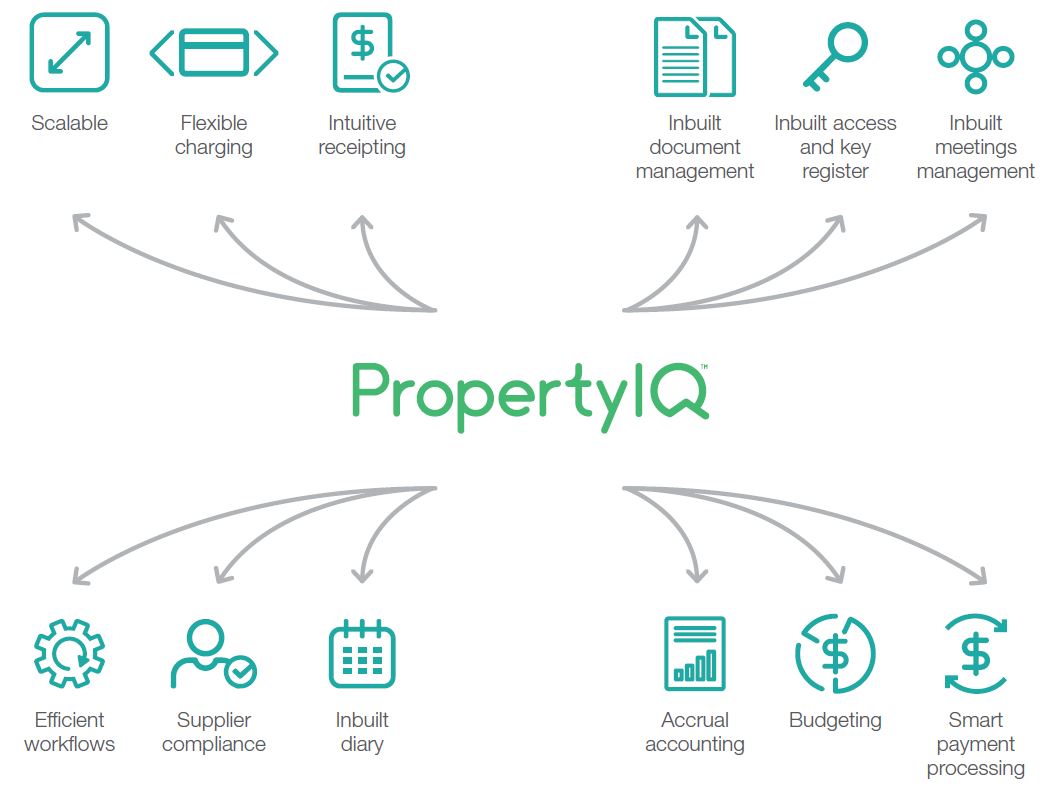
The Challenges of Sustainability in PropTech
Looking back at the trajectory of Property IQ, it becomes clear that there are significant systemic challenges for any independent company attempting to maintain a comprehensive property data tool in a competitive marketplace.
The Cost of Data Integrity
One of the most significant burdens that likely contributed to the platform’s evolution—and eventual rebranding—was the escalating cost of data acquisition and validation. Government entities, having realized the value of the information they hold, began charging premium licensing fees for digital access. As the cost to “clean” and normalize this data rose, the overhead for an independent company like Property IQ became unsustainable without drastically raising prices or selling to a larger entity with a bottomless balance sheet.
Market Saturation and Feature Creep
As the market evolved, Property IQ found itself competing with generalist platforms that started incorporating similar data tools as “value-add” features. When a CRM (Customer Relationship Management) platform or a real estate brokerage portal begins offering the same property valuation metrics as a standalone intelligence tool, the value proposition of the boutique app begins to erode. Property IQ had to innovate constantly to stay ahead, but in doing so, it suffered from “feature creep”—adding layers of complexity that alienated its original user base while failing to capture the enterprise market quickly enough.
Lessons from the Property IQ Legacy
While the brand itself may no longer be a household name in the industry, the impact of Property IQ on the sector remains undeniable. It forced the entire real estate industry to raise its standards for data accessibility.
Standardizing Real Estate Information
Before platforms like Property IQ gained traction, “doing your due diligence” was often synonymous with physical filing cabinets and phone calls to city hall. The work done by the engineers and data scientists at Property IQ helped set an industry-wide expectation for what a property dashboard should look like. Today, the features that made Property IQ unique are now standard requirements for any real estate investment software.

The Future of Property Intelligence
The legacy of Property IQ serves as a warning and a guide for current PropTech startups. The lesson is clear: in the world of financial data, longevity often requires either becoming an indispensable utility that is too expensive to replace, or positioning yourself for a strategic exit into a larger financial ecosystem.
For users who are still searching for the tools that Property IQ once provided, the market has shifted toward specialized, AI-driven platforms that prioritize predictive analytics over raw data aggregation. We are no longer just looking at what a property did in the past; we are using machine learning to forecast what it will do in the next five years.
Ultimately, “what happened” to Property IQ is a story of evolution rather than disappearance. The brand served its purpose by accelerating the digitization of the real estate sector. Its underlying intellectual property and data structures continue to live on, woven into the fabric of the modern real estate tools that power today’s investment decisions. For those who built their businesses on its platform, the transition was likely jarring, but the move toward integrated, high-velocity data environments was an inevitable outcome of the technology’s initial success. Property IQ was the bridge between the analog past of real estate and the automated, data-driven future we inhabit today. While the bridge itself has been dismantled and its parts repurposed, the path it forged is the one upon which the entire industry now travels.
aViewFromTheCave is a participant in the Amazon Services LLC Associates Program, an affiliate advertising program designed to provide a means for sites to earn advertising fees by advertising and linking to Amazon.com. Amazon, the Amazon logo, AmazonSupply, and the AmazonSupply logo are trademarks of Amazon.com, Inc. or its affiliates. As an Amazon Associate we earn affiliate commissions from qualifying purchases.