
In the hyper-competitive landscape of the personal care industry, few products embody the complexities of brand strategy and consumer perception quite like hair mousse. To the average consumer, it is a styling agent; to the brand strategist, it is a masterclass in market segmentation, product positioning, and the art of value proposition. Understanding the strategic purpose of hair mousse requires moving beyond the ingredient list and into the realm of how a brand creates, communicates, and defends its share of the beauty market.
The Strategic Anatomy of Personal Care Branding
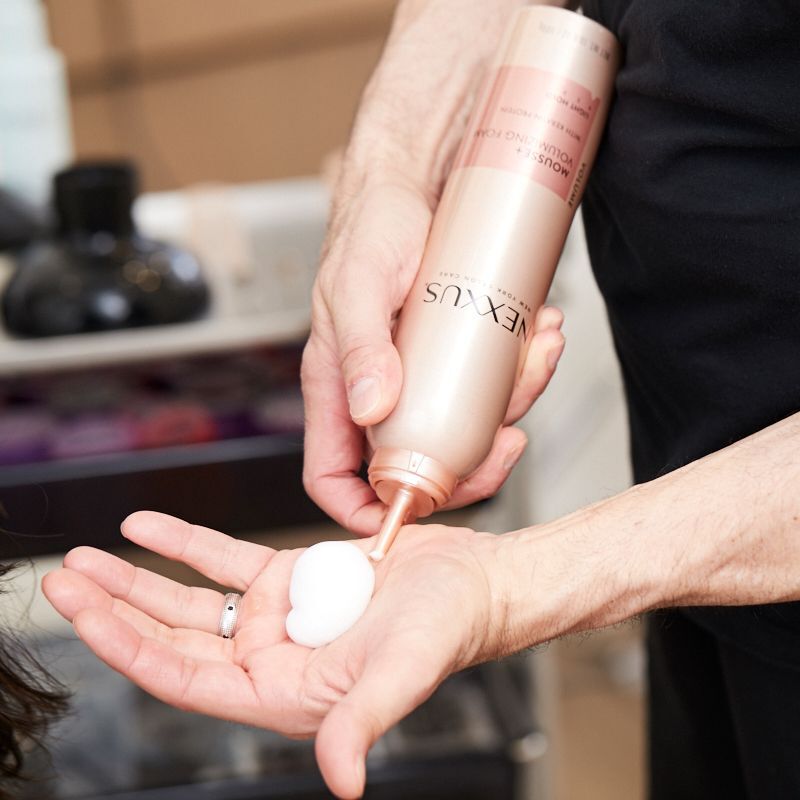
At the core of the personal care market, products are rarely bought solely for their functional output. Instead, they are acquired for the identity they promise to confer upon the user. When a brand brings a hair mousse to market, it is not merely selling a chemical foam; it is selling an outcome—volume, hold, texture, or repair.
Establishing the Value Proposition
A successful hair mousse product must solve a specific consumer pain point while aligning with the brand’s broader identity. High-end salon brands often position their mousse as a “professional tool” designed for precision, leveraging the authority of stylists to justify a premium price point. Conversely, mass-market brands focus on accessibility, ease of use, and multi-functional benefits. This strategic divergence determines the entire brand ecosystem, from the packaging design—which signals quality or efficiency—to the marketing narrative that dictates whether the product is marketed as a luxury essential or a household staple.
The Role of Niche Targeting
Brand strategists utilize hair mousse as a vehicle for niche dominance. By tailoring the formulation to specific hair types—fine, curly, color-treated, or thinning—brands can achieve higher engagement within specific consumer segments. This is a critical component of corporate strategy: it is far more profitable to be the premier brand for curly hair mousse than a generic, undifferentiated player in a crowded category. By narrowing the focus, brands can build stronger community loyalty, which acts as a defense mechanism against commoditization.
Marketing Narratives and Consumer Perception
The way a brand talks about its hair mousse is a reflection of its market research and positioning strategy. In the modern beauty landscape, the narrative has shifted from “control and hold” to “health and integrity.”
Aligning with Modern Consumer Values
Corporate identity now relies heavily on transparency and ethical sourcing. A brand that markets its mousse as “sulfate-free,” “cruelty-free,” or “sustainably packaged” is making a calculated play to capture the demographic of values-driven consumers. This is not just a marketing tactic; it is a fundamental aspect of modern brand strategy. If a company fails to align its product attributes with the prevailing ethical standards of its target demographic, it risks losing relevance. The hair mousse becomes a vessel for the brand’s commitment to these values, effectively turning a grooming product into a badge of the consumer’s own social and environmental awareness.
Leveraging Influencer and Digital Channels
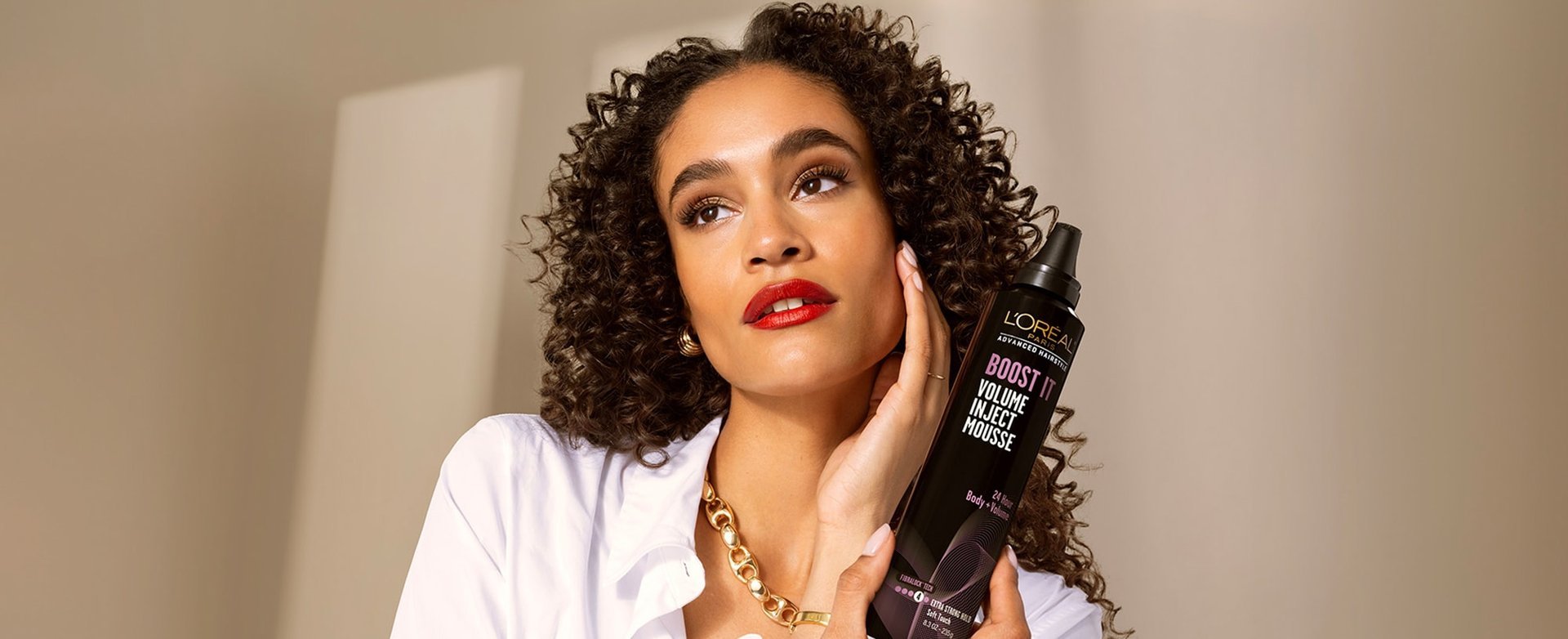
The rise of digital marketing has fundamentally changed how hair mousse is sold. Brand strategy now requires an integrated approach that utilizes social proof as a core driver of sales. When a brand sends a product to a hair influencer or a professional stylist, they are outsourcing the brand’s credibility. The consumer no longer just buys the mousse; they buy the look achieved by the influencer. This peer-to-peer influence strategy is essential in the digital age, where traditional advertising is often viewed with skepticism. A well-executed social media campaign for a new mousse product can build brand equity faster than years of traditional retail presence.
The Financial Metrics of Product Lifecycle Management
From a financial management perspective, the hair mousse category serves as a case study in inventory turnover and margin expansion. Understanding the economics of the hair care aisle is vital for any brand looking to scale effectively.
Optimizing Margins Through Formulation and Sizing
Product profitability is driven by the balance between production costs and perceived value. High-end salon brands often utilize sophisticated ingredients—such as keratin complexes or rare botanical extracts—to justify high price points that yield superior margins. Mass-market brands, by contrast, focus on economies of scale. They optimize the packaging, minimize the complexity of the formulation, and rely on high-volume sales to ensure profitability. The strategist must decide early on whether the brand will compete on volume or on value, as this decision dictates every subsequent operational move.
The Lifecycle of a Best-Seller
Like any fast-moving consumer good, a hair mousse product has a lifecycle. Initially, the brand invests heavily in launch marketing to drive awareness. Once the product reaches maturity, the challenge shifts to retention. Companies use loyalty programs, subscription models, and limited-edition seasonal packaging to keep the product in the consumer’s rotation. If a brand fails to innovate or refresh its marketing strategy as the product enters its decline phase, it risks losing the shelf space it fought so hard to capture.
Navigating Competitive Differentiation
The shelf life of a brand’s dominance in the mousse category is directly tied to its ability to differentiate itself from competitors. In a market flooded with similar products, the “why” becomes more important than the “what.”
The Psychology of Packaging and Shelf Presence
The visual identity of the product is the first touchpoint with the consumer. In a brick-and-mortar retail environment, the bottle design must convey the brand’s promise within a fraction of a second. Minimalism might suggest clinical efficacy, while bold colors and punchy typography suggest creativity and youthful energy. Strategic design is an investment in brand equity; a memorable bottle design increases brand recall, which is a key metric for long-term customer lifetime value.

Data-Driven Product Iteration
Successful brands treat their hair mousse not as a finished product, but as a living data set. By monitoring returns, reading customer reviews, and analyzing sales velocity across different regions, companies can iterate on their strategy. Perhaps the hold is too strong for the target demographic, or the fragrance is off-putting to a specific cultural segment. Rapid prototyping and agile adjustments in marketing copy or formulation are what separate the market leaders from the companies that eventually fade into obscurity. This iterative process is the hallmark of a data-informed brand strategy that treats every product as an asset to be managed, optimized, and ultimately, leveraged to build broader corporate growth.
In conclusion, while the question of “what hair mousse is used for” may seem simple on the surface, the answer, when viewed through the lens of brand strategy, is profound. Hair mousse is a tactical tool for market entry, a vehicle for communicating corporate values, and a critical component of a company’s financial success. By meticulously crafting the brand identity surrounding the product, companies can transform a humble bottle of foam into a cornerstone of their market presence. Every aspect of the product—from the chemical composition to the font on the label—serves a strategic purpose, proving that even in the world of beauty, the most beautiful results are born from disciplined, well-executed strategy.
aViewFromTheCave is a participant in the Amazon Services LLC Associates Program, an affiliate advertising program designed to provide a means for sites to earn advertising fees by advertising and linking to Amazon.com. Amazon, the Amazon logo, AmazonSupply, and the AmazonSupply logo are trademarks of Amazon.com, Inc. or its affiliates. As an Amazon Associate we earn affiliate commissions from qualifying purchases.