
In the modern digital landscape, your visual identity is the first point of contact for every interaction—whether that is a LinkedIn profile, a networking event, or a content-driven personal brand. Just as a corporation spends millions refining its logo and color palette to convey authority, trust, or innovation, individuals must treat their own appearance as a critical component of their personal branding strategy. One of the most impactful, yet frequently overlooked, elements of this visual strategy is hair color.
Choosing the right hair color is not merely a matter of aesthetic preference; it is a exercise in color theory, contrast management, and brand alignment. When your hair color harmonizes with your natural features, it enhances your professional presence, making you appear more vibrant, healthy, and authoritative. Conversely, a clashing color can diminish your impact, making you appear washed out or disjointed from the message you aim to project.
The Science of Seasonal Color Analysis in Personal Branding
To determine which hair color suits you, we must first look at the principles of color analysis. Professional brand strategists often utilize the “Seasonal Color Theory,” which categorizes individuals based on their skin undertones and natural contrast levels. Understanding your “season” is the foundational step in selecting a hair color that elevates your brand identity.
Identifying Your Undertones
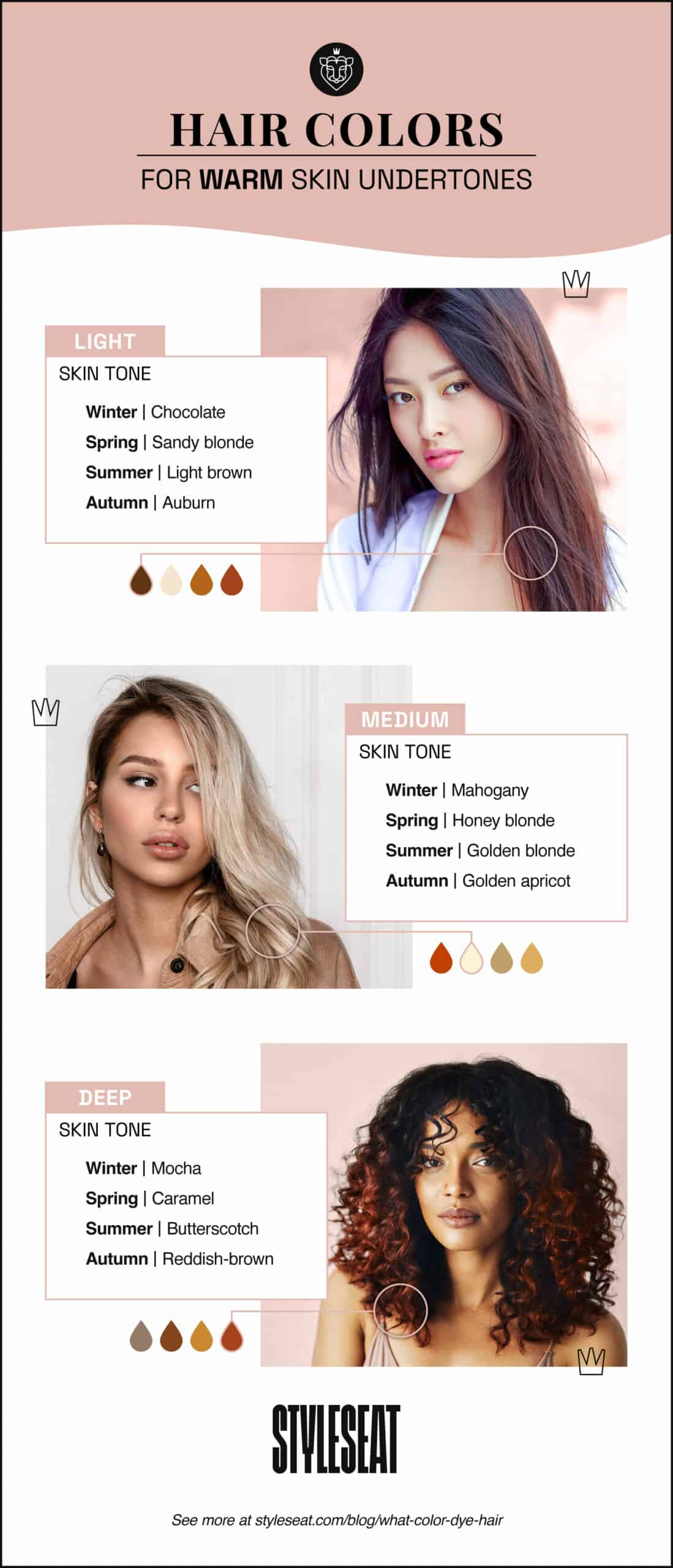
The distinction between warm and cool undertones is the most critical factor in hair color selection. If your skin has blue, pink, or red undertones, you are likely in the “Cool” category. If your skin leans toward yellow, peach, or golden undertones, you belong in the “Warm” category.
For those with cool undertones, hair colors with ash, platinum, or cool-toned brown bases will prevent your skin from appearing sallow. For those with warm undertones, golden, honey, copper, or chestnut shades will harmonize with your skin, creating a glow that implies health and vitality—key traits in building a relatable and magnetic personal brand.
The Role of Contrast and Authority
Beyond tone, your brand archetype should dictate your level of contrast. A high-contrast look—such as deep, dark hair paired with fair skin—often communicates power, intellect, and traditional authority. This is a common choice for professionals in law, finance, or executive leadership.
A lower-contrast look, where hair color is closer to the tone of the skin, often communicates softness, approachability, and creativity. If your personal brand is built on coaching, wellness, or artistic consulting, a monochromatic or low-contrast hair color palette may better align with the intimacy and empathy required for those roles.
Aligning Hair Color with Your Professional Persona
Your hair color is a visual cue that signals your industry position before you speak a single word. In the world of branding, consistency is the hallmark of success. Your appearance should be a physical manifestation of your brand values.
The Authority Aesthetic
For high-stakes environments, professional brand strategy suggests choosing hair colors that emphasize polish and maintenance. Deep, rich brunette, cool-toned black, or sophisticated slate gray projects stability and reliability. When you select a color that looks “expensive”—meaning it is well-maintained and uniform—it builds subconscious trust in your clients.
If your brand involves high-level corporate identity, steer clear of volatile, high-maintenance fashion colors that require constant touch-ups. A root shadow or a balayage that mimics natural growth can maintain an “effortless” professional aesthetic that implies you have the resources and the discipline to manage your image with precision.
The Innovation and Creative Aesthetic
If your personal brand sits at the intersection of disruption and innovation, you have more leeway to play with non-traditional shades. However, this must still be strategic. Muted creative colors—such as a deep plum, a dusty rose, or a navy-toned black—can signal that you are a forward-thinker who isn’t afraid to challenge the status quo.
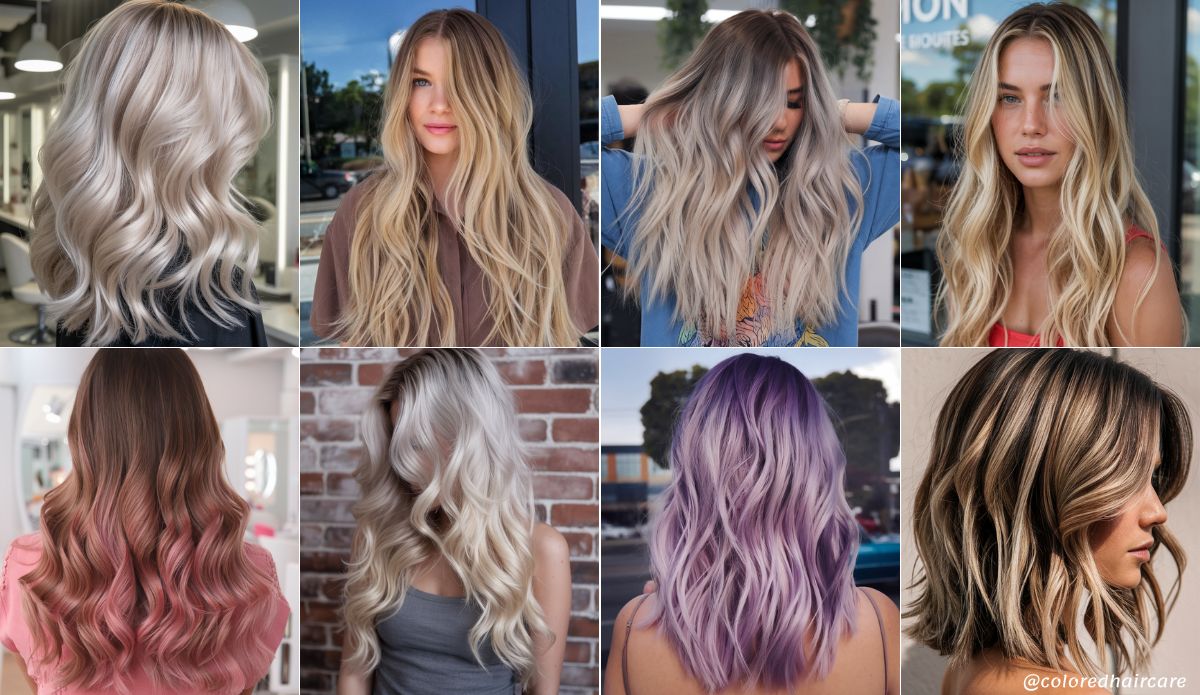
In these sectors, the “What hair color suits you” question is answered not by what is natural, but by what signals a departure from the “corporate uniform.” If you are a digital strategist or a creative director, your hair color can act as a differentiator, marking you as a person who brings unique perspectives to the table.
Strategic Maintenance and the ROI of Appearance
In personal branding, time is your most valuable asset. A hair color that requires a visit to the salon every three weeks is a significant drain on both your time and your budget. When considering a color change, you must evaluate the return on investment (ROI) that the color provides.
Low-Maintenance Strategies for Busy Professionals
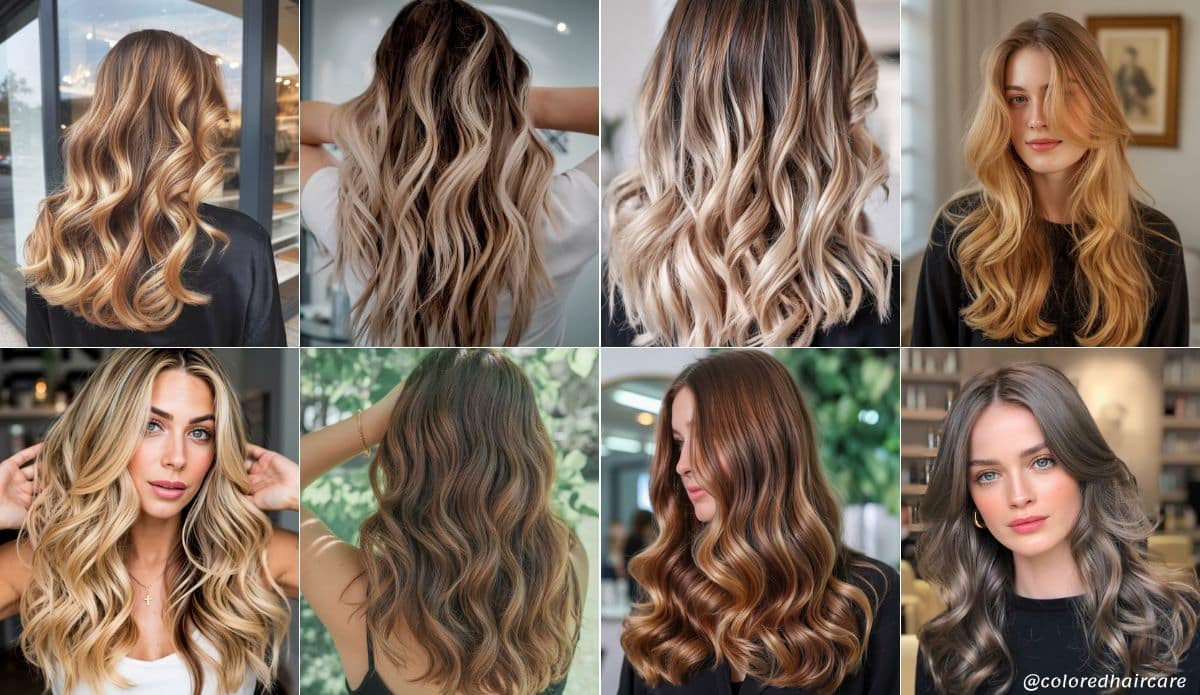
For the ambitious entrepreneur, a “lived-in” color approach is often the most strategic. Techniques like root smudging, ombré, or strategically placed highlights allow for a longer grow-out phase without compromising the professional quality of your appearance.
This approach serves two purposes:
- Fiscal Responsibility: It reduces the overhead costs of maintaining your personal brand image.
- Brand Consistency: It prevents the “faded” look that can occur between salon appointments, ensuring your brand image remains consistent and reliable throughout the month.
The Psychology of Color Change
There is a profound psychological impact in changing one’s hair color. When you transition from a brassy, unmanaged tone to a refined, color-corrected shade, you often experience an immediate boost in self-confidence. This psychological shift is known as “enclothed cognition”—the way our clothing and appearance influence our internal mental state.
When you feel that your outward appearance matches your internal professional goals, your performance often improves. You communicate with more conviction, you present with more poise, and you approach networking with the confidence of someone who has invested in the details.
Implementing Your New Color Strategy
Once you have identified the tone and level of contrast that aligns with your brand, the final step is execution. A DIY approach, while tempting, rarely yields the consistent, high-quality results required for a professional brand.
Working with a Brand-Focused Stylist
Think of your colorist as a member of your brand development team. When you sit in the chair, communicate your professional objectives rather than just showing a photograph. Instead of saying, “I want this color,” say, “I am positioning myself as a high-authority leader in the tech space; I need a color that looks sophisticated, requires minimal maintenance, and enhances my natural skin undertones.”
A skilled stylist will understand the difference between an aesthetic choice and a strategic brand choice. They will assess your hair porosity, your lifestyle, and your long-term goals before applying a single drop of dye.
Auditing Your Brand Quarterly
Just as you audit your website traffic, your social media engagement, and your financial growth, you should audit your personal appearance annually. Does your hair color still align with where your career is heading? As you climb the professional ladder, your visual brand must evolve to match your increased responsibility.
What suited you when you were an entry-level freelancer may not effectively communicate the gravitas you need as a CEO or a keynote speaker. By treating your hair color as a strategic asset—a tool for communication and a symbol of your professional evolution—you ensure that every aspect of your brand, from your digital presence to your physical appearance, is working in tandem to support your long-term vision.
In conclusion, the question of “what hair color suits you” is answered by finding the equilibrium between your natural biological traits and the professional image you wish to project to the world. It is a synthesis of art and strategy. When you get this right, your appearance becomes one of the most powerful tools in your personal branding arsenal, providing you with a silent, constant, and effective competitive advantage in your career.
aViewFromTheCave is a participant in the Amazon Services LLC Associates Program, an affiliate advertising program designed to provide a means for sites to earn advertising fees by advertising and linking to Amazon.com. Amazon, the Amazon logo, AmazonSupply, and the AmazonSupply logo are trademarks of Amazon.com, Inc. or its affiliates. As an Amazon Associate we earn affiliate commissions from qualifying purchases.