
When managing the household ledger, pet ownership represents one of the most significant recurring capital expenditures. Beyond the emotional value, a cat is a living asset that requires systematic maintenance to prevent depreciation in the form of illness. Parasitic infections, specifically intestinal worms, are not merely a veterinary inconvenience; they are a financial liability that can lead to spiraling medical costs if not managed through a proactive preventative strategy. Understanding the “how” and “why” behind feline worm infestations is essential for any owner looking to optimize their pet’s health ROI and avoid the predatory costs of emergency veterinary intervention.
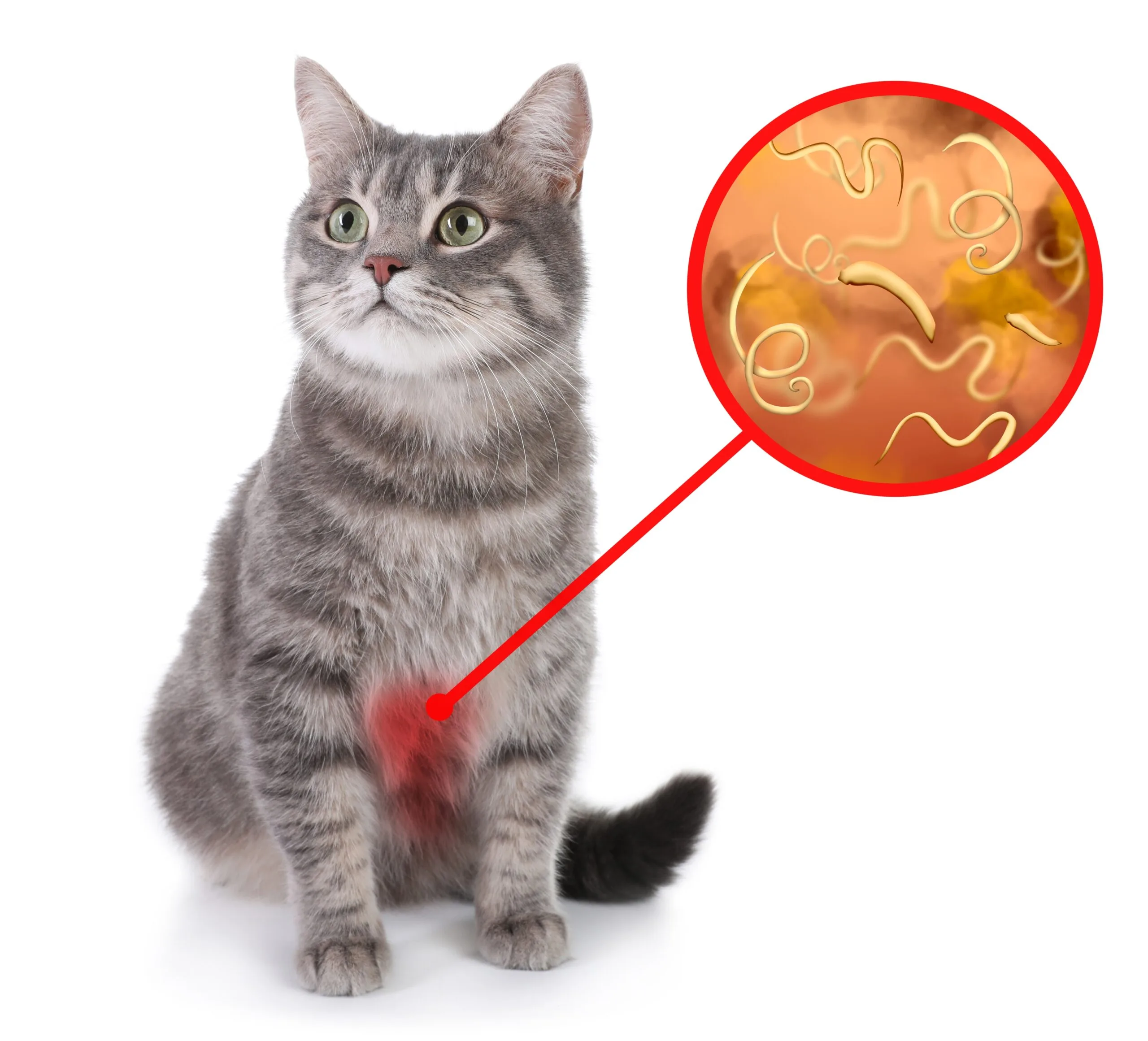
The Vector of Infection: Identifying Financial Risks in Feline Environments
Intestinal parasites—primarily roundworms, tapeworms, and hookworms—do not appear out of thin air. They enter the feline ecosystem through specific vectors, each representing a lapse in the environmental control measures of the household. From a portfolio management standpoint, identifying these vectors is akin to identifying risk factors in a supply chain.
The Hunter’s Liability: Ingestion of Intermediate Hosts
The most common pathway for parasitic infection is the cat’s natural predatory behavior. When a cat consumes an infected intermediate host—such as a flea, a rodent, or a rabbit—they are essentially ingesting the parasite’s larvae. In financial terms, this is a failure of containment.
Fleas are the primary carriers of Dipylidium caninum (tapeworms). If your pet’s environment is not treated with high-quality, long-term preventative pest control, you are leaving your asset exposed. A single flea infestation can trigger a cycle of parasitic infection that necessitates diagnostic testing, specialized deworming medication, and, in severe cases, treatment for secondary infections caused by the parasite’s damage to the intestinal lining.
Environmental Contamination: The Cost of Negligence
Felines living in multi-cat households or those with access to the outdoors are at a significantly higher risk of contracting hookworms and roundworms through soil contamination. Microscopic eggs can survive in dirt for months, hitching a ride into your home on shoes, clothing, or the paws of your pet. This represents an “uncontrollable” environmental risk. Homeowners who fail to implement strict sanitation protocols regarding litter boxes and outdoor tracking increase the probability of a “system failure” within their pet’s digestive health, leading to predictable medical expenses.
The Economics of Preventative Maintenance vs. Emergency Remediation
In finance, there is a fundamental rule: the cost of preventative maintenance is always a fraction of the cost of total system failure. The same applies to feline parasitic control. Many pet owners view dewormers as an optional or reactive expense, waiting until symptoms (weight loss, lethargy, or visible segments in stool) appear before authorizing a spend. This is a flawed financial strategy.
The High Cost of Reactive Veterinary Care
When a cat exhibits clinical symptoms of a heavy worm burden, the cost of remediation sky-rockets. A standard preventative dose of a broad-spectrum dewormer is a relatively low-cost line item. Conversely, a symptomatic cat requires:
- Professional Diagnostic Testing: Fecal analysis performed at a laboratory to identify the specific parasite.
- Veterinary Consultation Fees: The hourly cost of a professional assessment.
- Prescription Therapeutics: Often more expensive than over-the-counter options due to the required potency for an active infestation.
- Secondary Complications Management: Treating the anemia or malnutrition caused by the parasites.

By choosing not to invest in year-round preventative protocols, owners are effectively choosing to pay a premium on “crisis management.”
Strategic Asset Allocation for Pet Health
Building a “pet health fund” into your annual personal finance plan is a hallmark of responsible ownership. Allocate a specific budget for premium-grade, veterinarian-recommended flea and parasite preventatives. When calculated over a twelve-month period, this investment is negligible compared to the erratic and volatile costs of treating an established parasite colony. Furthermore, consider the opportunity cost: the time spent managing a sick pet, the stress of the situation, and the potential impact on the cat’s long-term vitality, which could shorten their lifespan and necessitate more expensive care in their senior years.
Managing the Variables: Why Some Assets Are More At Risk
Not all cats carry the same risk profile. A professional approach to “cat health management” requires a risk assessment based on the specific lifestyle of the individual animal.
Lifestyle-Based Risk Assessment
- The Indoor-Only Asset: These pets are at lower risk for rodent-borne transmission but remain vulnerable to hitchhiker parasites (fleas) brought in by humans or other pets. The “maintenance budget” here should be focused primarily on internal pest control.
- The Outdoor/Hybrid Asset: These pets carry the highest risk profile. They interact with diverse biological vectors daily. For these cats, a more aggressive, high-frequency deworming schedule is not just recommended; it is a financial imperative to mitigate the likelihood of catastrophic intestinal health issues.
The Role of Nutritional Infrastructure
A cat’s immune system is its primary defense against parasitic colonization. A high-quality, nutrient-dense diet acts as a hedge against the negative effects of exposure. A feline with a compromised immune system—often the result of poor nutritional funding—is much more likely to develop a symptomatic infestation than a cat that is well-nourished. Investing in high-quality feline nutrition is a form of asset protection. It ensures that the cat’s natural biological barriers remain strong enough to prevent minor exposures from escalating into full-blown medical emergencies.
Scalability and Future-Proofing Pet Healthcare
As an owner, your long-term goal is to minimize medical variance. This requires a shift in mindset: move away from treating the cat as a series of random health events and begin treating it as an entity requiring a managed healthcare strategy.
Establishing a Cadence of Care
Consistent, scheduled veterinary check-ups allow for the early detection of parasites, often before they impact the cat’s physical performance or appearance. Integrating these check-ups into your annual financial calendar allows you to amortize the costs, preventing “bill shock.” Many modern veterinary clinics offer subscription-based wellness plans. These are essentially financial instruments that allow owners to spread the cost of preventative care—including routine deworming and parasite screening—across monthly payments, ensuring the asset remains in peak condition without compromising the owner’s liquidity.

The Importance of Due Diligence
The pet healthcare market is flooded with low-cost, unverified “home remedies” and budget-grade products. Engaging with these is a high-risk financial strategy. Always conduct due diligence before purchasing parasitic control products. A cheap, ineffective treatment that fails to eradicate an infestation is money wasted, as you will eventually have to pay for the professional-grade solution anyway. In finance, we call this “double spending.” By investing in high-efficacy, evidence-based preventatives, you ensure the protection of your asset with a single, optimized transaction.
Ultimately, understanding what gives a cat worms is not just an exercise in biological education; it is an exercise in resource management. By identifying the pathways of infection, budgeting for high-quality prevention, and prioritizing the long-term health of your pet, you are applying the same principles of risk management that govern any other aspect of your financial portfolio. A healthy cat is a well-managed asset, and a well-managed asset provides the highest return on the investment of your care, time, and money.
aViewFromTheCave is a participant in the Amazon Services LLC Associates Program, an affiliate advertising program designed to provide a means for sites to earn advertising fees by advertising and linking to Amazon.com. Amazon, the Amazon logo, AmazonSupply, and the AmazonSupply logo are trademarks of Amazon.com, Inc. or its affiliates. As an Amazon Associate we earn affiliate commissions from qualifying purchases.