
When it comes to the optics of professional brand representation, few things are as detrimental as an unkempt appearance during a high-stakes client engagement. Whether you are hosting an intimate dinner with potential investors or attending a corporate gala, your personal brand is inextricably linked to your presentation. A rogue splash of Pinot Noir on a crisp white shirt or a designer tablecloth is not merely a laundry issue; it is a potential liability to your image. Managing these mishaps with poise, efficiency, and the right strategic “toolkit” is a hallmark of professional competence.
The Strategic Assessment of Fabric Vulnerability
Before you attempt to deploy any removal agent, your first priority must be a rapid assessment of the material involved. In the world of brand management, we treat every asset differently; similarly, in fabric care, the “material composition” dictates the strategy.
Identifying Synthetic vs. Natural Fibers
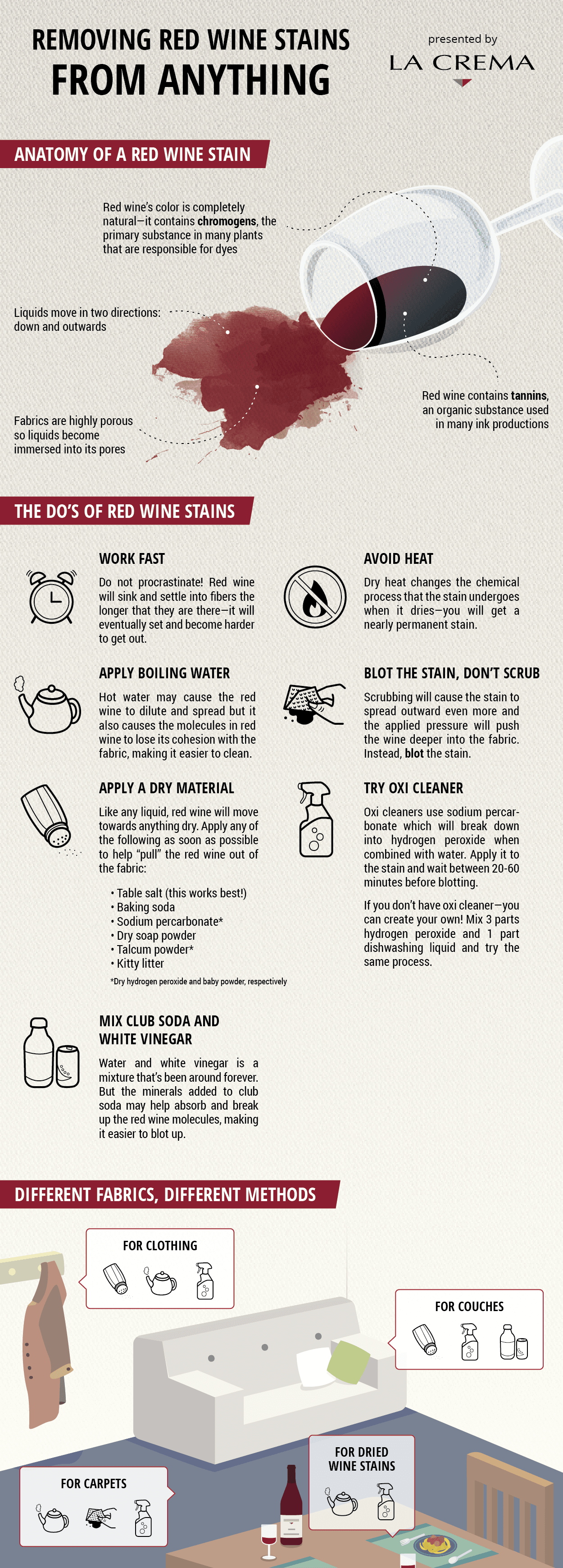
Natural fibers like silk, wool, and linen are highly porous and act like a sponge for tannin-rich red wine. Synthetic fibers, such as polyester or nylon, are generally less absorbent but can trap pigments within the weave if heat is applied too quickly. If you are dealing with a luxury item—a bespoke wool suit or a silk tie—the most professional move is to defer to a dry-cleaning specialist. Attempting DIY chemistry on high-end materials can lead to permanent fiber damage, which is a far worse branding outcome than a temporary stain.
The Urgency Protocol
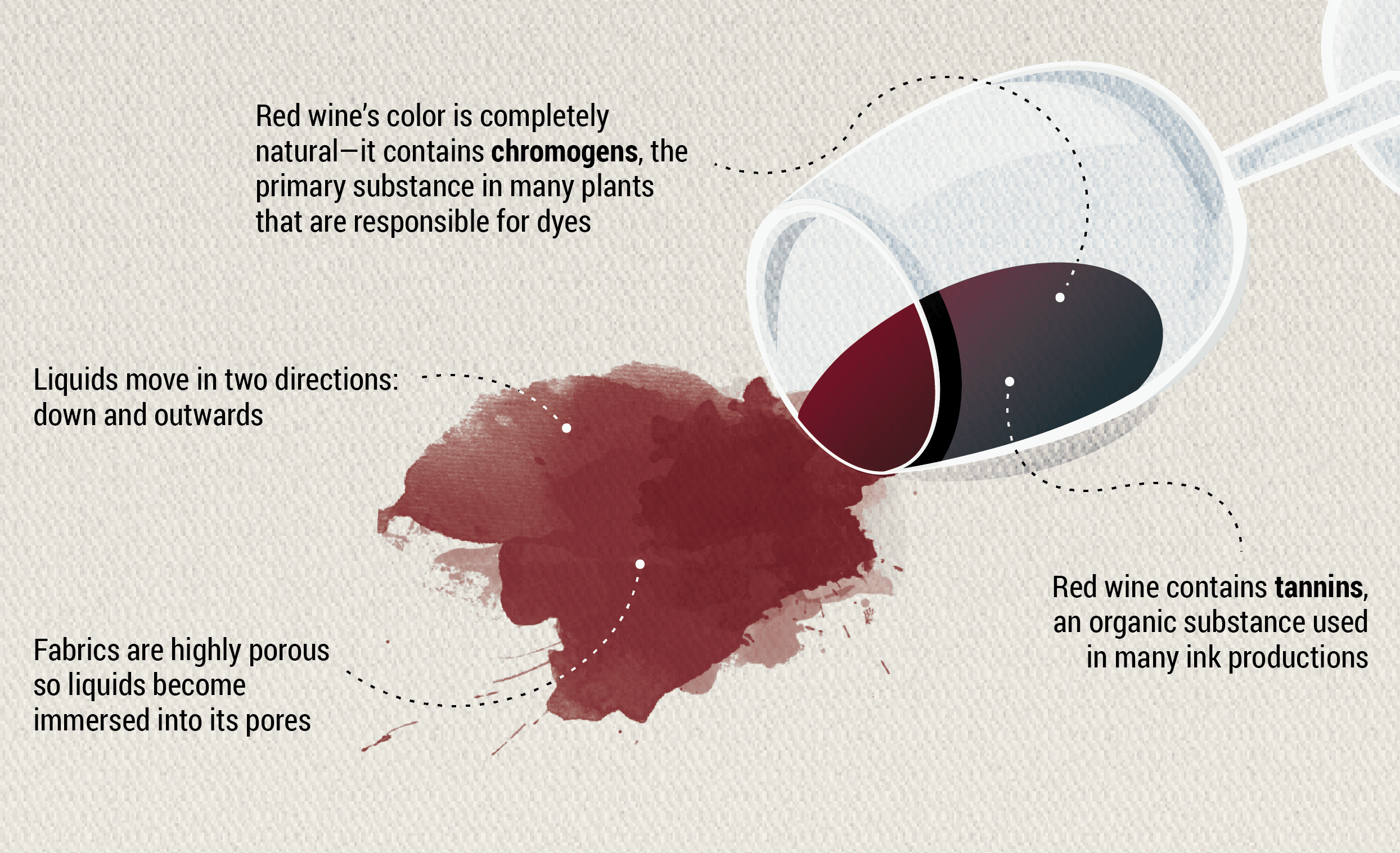
Speed is the primary variable in the success of your intervention. Tannins—the compounds that give red wine its color and astringency—begin to bond with fabric fibers almost immediately upon contact. The goal is to inhibit the chemical bonding process. Keep a “Stain Mitigation Kit” in your office or travel bag. It should contain a clean microfiber cloth, a small spray bottle of distilled water, and an absorbent powder like cornstarch. By acting within the first three minutes, you significantly increase the probability of a complete restoration.
Chemical Agents and Solvent Tactics
Once the immediate threat is contained, you must select the appropriate “solvent” based on the resources available. Much like allocating a marketing budget, you want the highest return on investment (ROI) with the lowest risk of collateral damage.
The Salt and Powder Strategy
The most common mistake is rubbing the stain. Rubbing pushes the pigment deeper into the fabric grain, essentially “branding” the wine into the fibers. Instead, apply a layer of salt or cornstarch to the affected area. This is a passive suction strategy. The powder absorbs the liquid wine, pulling it away from the fabric. Once the powder has turned deep pink, gently brush it away. This removes the excess pigment before you move to a liquid-based removal solution.
Hydrogen Peroxide and Dish Soap: The Synergy Approach
If the fabric is colorfast and durable (such as a cotton dress shirt), a mixture of hydrogen peroxide and clear dish soap is remarkably effective. Hydrogen peroxide acts as a mild bleaching agent, while the surfactants in the dish soap break down the surface tension of the wine. Mix two parts peroxide with one part soap and gently dab the area.

Important Note on Branding Risks: Always test this solution on a hidden seam first. The goal is to lift the stain, not to bleach the underlying dye of your garment. If the solution causes any color shift in the fabric, discontinue use immediately.
The Efficacy of Club Soda
Club soda is a classic industry standard for a reason. The carbonation provides mechanical agitation at a microscopic level, helping to lift the wine particles from the weave of the fabric. Additionally, the slightly acidic pH level of club soda helps neutralize the tannins. Pour a small amount of club soda onto a clean cloth and blot—never rub—the stain. Repeat this process, rotating to a clean section of the cloth each time, to ensure you are lifting the wine away rather than reapplying it.
The Professional Recovery Workflow
Successfully removing a stain is only half the battle; ensuring the garment retains its professional standard of quality is the second. Many DIY solutions leave behind a residue that can attract dirt or cause premature fabric degradation.
Neutralizing and Rinsing
After the stain has been lifted, the chemical residue must be neutralized. A simple rinse with cool, distilled water is often sufficient. If you used a detergent-based solution, ensure the area is thoroughly flushed. If soap is left to dry in the fibers, it can oxidize over time, leaving a yellowed or darkened “halo” around the original stain area, which can be even more noticeable than the initial red wine mark.
The Drying Process
Never use a high-heat setting to dry a garment that has been treated for a stain. Heat is a catalyst for chemical reactions; if any trace of the stain remains, high heat will “set” the tannins into the fibers permanently. Allow the garment to air dry in a well-ventilated space. If the stain persists after the first round of treatment, do not lose composure. Assess whether it is time to outsource the problem to a professional dry cleaner who possesses industrial-grade solvents and equipment.
Brand Stewardship in Crisis Management
A stain on your attire during a networking event or a pitch meeting is a test of your character. Your ability to remain calm and transition gracefully away from the incident is a demonstration of your soft skills.
Owning the Narrative
If a spill occurs, do not become visibly distressed. A frantic reaction draws more attention to the mistake than the stain itself. Handle the situation with efficiency: excuse yourself, utilize the emergency supplies in your kit, and return to the conversation. If questioned, acknowledge it briefly and return the focus to your professional objectives. “A minor mishap with the vintage, but it’s under control,” is all the narrative you need.
Managing Expectations and Outcomes
Understand that some materials—specifically delicate silks or antique upholstery—may not be salvageable through DIY efforts. In your professional life, you must know when to stop “hacking” a solution and when to pivot to an expert. Investing in high-quality clothing means investing in the maintenance of those assets. Establishing a relationship with a high-end dry cleaner is an investment in your personal brand, ensuring that when accidents occur, you have a reliable secondary line of defense.
Conclusion on Professional Preparedness
Mastering the removal of red wine is a metaphor for professional resilience. By having a strategy, maintaining the right tools, and knowing the limitations of your own intervention, you protect the image you have worked hard to build. Whether it is a business strategy or a shirt front, the principles of brand stewardship remain the same: mitigate the damage early, utilize the correct resources, and maintain your composure throughout the process. When you treat your appearance with the same strategic rigor as your career, you ensure that minor accidents never escalate into major professional setbacks.
aViewFromTheCave is a participant in the Amazon Services LLC Associates Program, an affiliate advertising program designed to provide a means for sites to earn advertising fees by advertising and linking to Amazon.com. Amazon, the Amazon logo, AmazonSupply, and the AmazonSupply logo are trademarks of Amazon.com, Inc. or its affiliates. As an Amazon Associate we earn affiliate commissions from qualifying purchases.