
Managing a business’s professional image requires attention to every detail, from the polish on your team’s nails to the state of your corporate branded apparel. When a spill occurs, it is not just a laundry mishap; it is a brand integrity issue. Whether you are dealing with a company uniform or a high-end designer blazer that serves as part of your personal professional brand, knowing how to handle a stubborn stain like fingernail polish is a necessary skill for maintaining a pristine corporate image.
Understanding the Chemistry of the Stain
To effectively remove nail polish, you must understand that it is essentially a lacquer—a combination of pigments, resins, and film-forming agents dissolved in volatile organic solvents. When it hits fabric, it dries rapidly, bonding to the fibers. If your branding strategy relies on high-quality textiles like silk, wool, or synthetic blends, the approach to removal must be precise to avoid permanent damage.
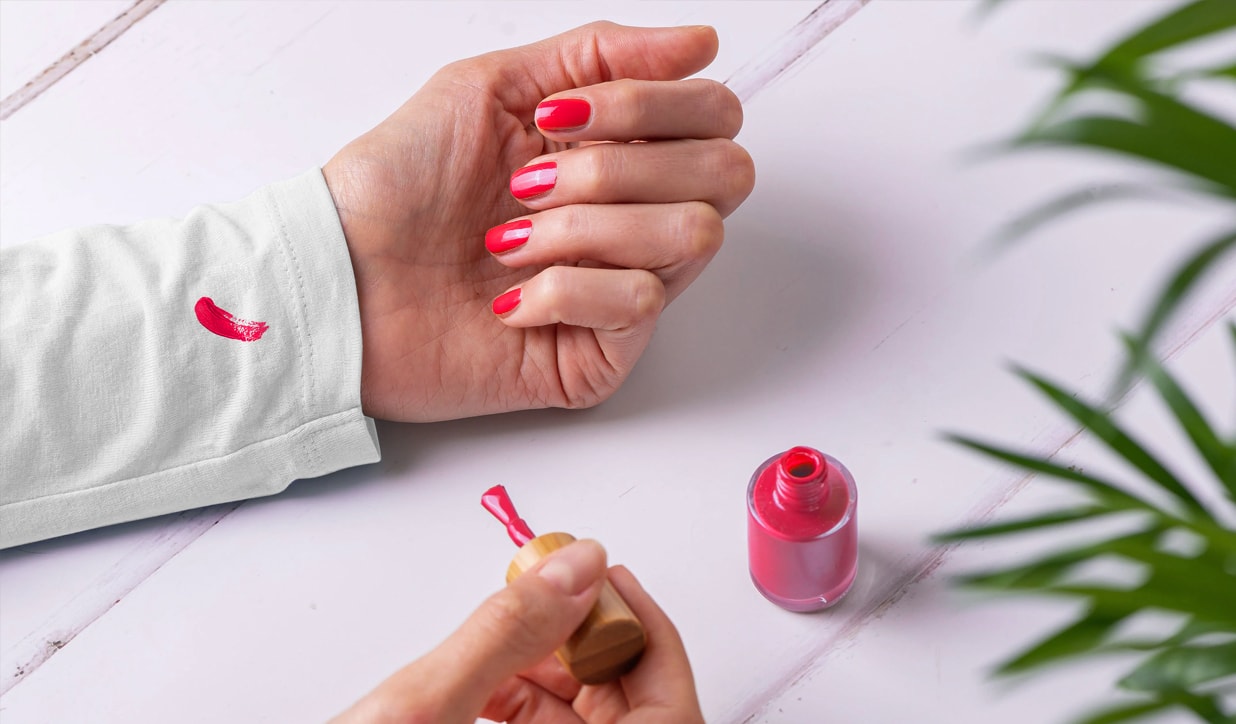
The Polymerization Process
Nail polish is designed to harden into a durable, water-resistant film. Once it touches fabric, it begins to polymerize. The longer the polish sits, the more it integrates with the fabric weave. From a professional care standpoint, acting immediately is the single most important factor in salvage. If the polish is still wet, you have a much higher probability of success. If it has hardened, you are dealing with a more complex chemical bonding situation.
Identifying Fabric Vulnerability
Before applying any chemical agent, assess the material. Natural fibers like cotton are generally more resilient, while delicate fibers like acetate, triacetate, or modacrylic can actually be dissolved by the same chemicals that remove nail polish. Always check the care label of your branded merchandise. If the label indicates “Dry Clean Only,” your best strategy is to leave the chemistry to the professionals to avoid a total loss of the asset.
Strategic Removal Techniques for Corporate Wardrobes
When an accident happens in a professional environment, you need a systematic, reliable procedure. The goal is to lift the polish out of the fibers without bleeding the color of the fabric or damaging the integrity of the textile.
The Blotting Method for Fresh Spills
If the polish is fresh, do not rub. Rubbing spreads the stain and pushes the pigments deeper into the fibers. Instead, use a clean, white paper towel or a microfiber cloth to blot the spill. Press firmly to absorb as much of the liquid polish as possible before it hardens. Continue moving to a clean area of the cloth with every press to ensure you are lifting the product rather than redepositing it.
Solvent-Based Treatment
For most non-acetate fabrics, a specialized solvent is required to break the bond of the polish. Acetone is the industry standard for effectiveness, but it is also the most aggressive.
- The Spot Test: Always test your solvent on an inconspicuous seam of the garment. If the solvent causes the fabric dye to bleed or the material to lose its luster, stop immediately.
- The Reverse Application: Place a clean cloth underneath the stained area. Apply the solvent to a cotton swab and dab the back of the stain. By pushing the polish out from the reverse side, you prevent the pigment from being driven deeper into the face of the fabric.
- Controlled Saturation: Work from the outer edges of the stain toward the center. This prevents the “halo effect,” where the pigment spreads out into the clean fabric.

Handling Hardened Stains
If the polish is already dry, you may need to gently scrape away the excess with a dull edge—like a credit card—before applying the solvent. Be careful not to snag the threads, especially on expensive branded polos or textured fabrics. Once the bulk is removed, re-apply the solvent sparingly. You are essentially re-liquefying the resin so it can be transferred onto the absorbent cloth beneath the garment.
Professional Maintenance and Asset Management
In the world of corporate branding, your employees are the physical manifestation of your company’s values. A stained shirt or a damaged blazer reflects poorly on the organizational culture and attention to detail. Establishing a protocol for garment care is part of a broader commitment to operational excellence.
Preventing Permanent Damage
Sometimes, the best removal strategy is knowing when to call a professional dry cleaner. If the garment is part of a high-value uniform set, the cost of a professional cleaning service is an investment in the longevity of that asset. Dry cleaners use specialized industrial-grade solvents and spotting boards that are far more effective—and safer—than standard household methods.
Standardizing Fabric Choices
As a leader or brand strategist, you can mitigate the risk of stain-related losses by selecting fabrics that are resistant to common spills. When sourcing corporate apparel, look for performance fabrics that feature stain-release technology. These modern textiles are engineered with molecular barriers that prevent liquids, including oily resins found in nail polish, from penetrating the fiber core. By prioritizing these materials during the procurement process, you align your brand with efficiency and smart asset management.
The Role of Personal Branding Hygiene
For individuals focused on personal branding, your clothing is your uniform. A pristine appearance signals to clients and peers that you manage the small details with as much care as the big projects. Carrying a small, professional-grade stain removal kit in your bag or desk is a mark of preparedness. While standard stain pens are great for coffee or ink, they rarely handle nail polish. Having a targeted, non-acetate alternative—such as a gentler, oil-based remover or a professional spot-treatment solution—demonstrates a high level of situational awareness.

Final Steps: Restoring the Garment
Once the nail polish has been successfully removed, the garment must be properly cleaned to remove any residual solvent. Leaving chemicals in the fabric can cause discoloration over time or irritate the wearer’s skin.
- Rinse and Launder: Once the stain is gone, flush the area with cool water. Then, wash the garment according to the care instructions on the label. Using a high-quality laundry detergent will ensure that all remaining solvent particles are lifted away.
- Inspection: Before putting the item back into your rotation, inspect the area under good lighting. Sometimes, the resin is gone, but a slight shadow of the pigment remains. If this happens, a second pass with a mild bleaching agent (if the fabric is white and colorfast) or an enzyme-based stain remover may be necessary.
- Professional Storage: Once cleaned and dried, ensure the garment is pressed and stored correctly. A well-maintained wardrobe is a direct extension of your professional identity. By mastering the removal of common hazards like fingernail polish, you protect the investment you have made in your image, ensuring that your presentation remains as sharp and polished as your business strategy.
In conclusion, nail polish stains are a manageable inconvenience when approached with the right chemical knowledge and professional care. Whether you are a business owner safeguarding company assets or a professional curating an individual brand, the ability to maintain the quality of your clothing is a fundamental component of long-term success.
aViewFromTheCave is a participant in the Amazon Services LLC Associates Program, an affiliate advertising program designed to provide a means for sites to earn advertising fees by advertising and linking to Amazon.com. Amazon, the Amazon logo, AmazonSupply, and the AmazonSupply logo are trademarks of Amazon.com, Inc. or its affiliates. As an Amazon Associate we earn affiliate commissions from qualifying purchases.