
The image of General Douglas MacArthur is inseparable from his corn cob pipe. While historical anecdotes often focus on the tactical brilliance of the Pacific theater or his administrative reconstruction of post-war Japan, students of brand strategy recognize something else: the deliberate cultivation of an iconic personal silhouette. MacArthur did not merely smoke a pipe; he utilized a humble, rustic object to craft a persona that bridged the gap between the aristocratic military tradition and the rugged, relatable American identity. In the world of high-stakes personal branding, his choice of accessory serves as a masterclass in visual storytelling and differentiation.

The Architecture of Visual Identity
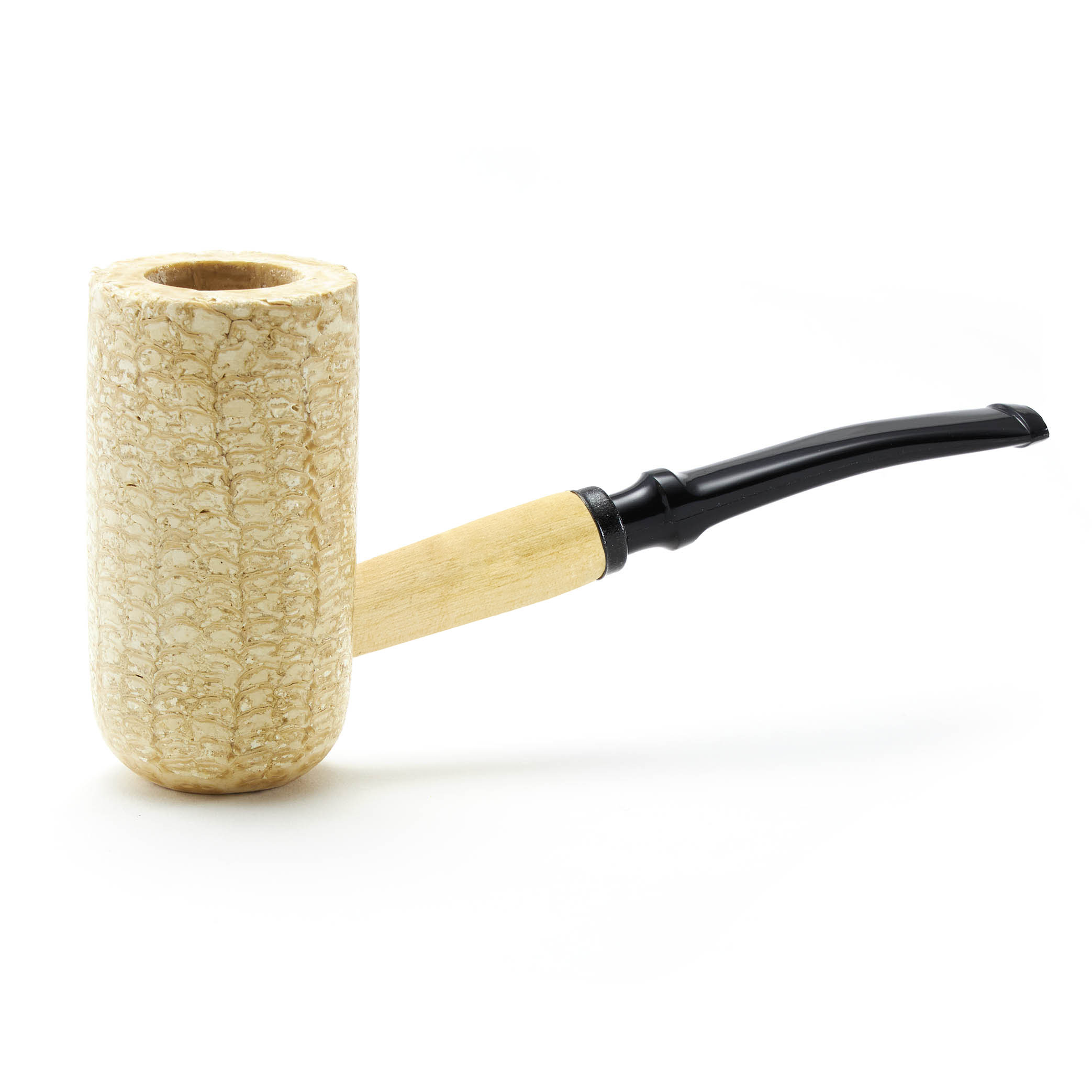
In personal branding, symbols serve as mental shortcuts. When a leader consistently pairs their image with a specific, unconventional item, that item becomes a proxy for their values. For MacArthur, the corn cob pipe was not a luxury; it was a deliberate rejection of the polished, gold-braided aesthetic typical of top-tier military brass. By opting for a Missouri Meerschaum—a pipe crafted from the literal harvest of the American heartland—MacArthur signaled a profound, calculated authenticity.
Constructing the “Relatable Hero”
Branding is rarely about who you are in private; it is about the narrative you present to your audience to inspire trust and recognition. During World War II, the American public needed a leader who felt like one of them, yet possessed the strategic genius to win a global conflict. A mahogany or silver-stemmed pipe would have placed him in the realm of the elite or the detached. The corn cob pipe, however, was fundamentally democratic. It suggested a man who was comfortable in a foxhole as much as a command center. This visual pivot allowed MacArthur to transcend his actual background as the scion of a prominent military family, repositioning him as a “man of the people.”
Differentiation in a Crowded Market
In any competitive field, the goal of a brand is to be instantly recognizable. MacArthur understood that he was operating in a landscape populated by other high-ranking officers—Eisenhower, Nimitz, and Marshall. To ensure he remained the singular face of the Pacific campaign, he needed a differentiator that was visual, portable, and iconic. Just as a modern CEO might adopt a signature uniform (like Steve Jobs’ turtleneck or Mark Zuckerberg’s gray t-shirt), MacArthur’s pipe acted as a visual anchor. Once the image of the pipe was codified in newsreels and newspapers, he became the only general who could effectively own that specific aesthetic space.
Consistency and the Psychology of Brand Recognition
The most powerful brands are those that exhibit relentless consistency. MacArthur understood that branding is a cumulative process. He did not simply pose with the pipe for a single PR campaign; he carried it for years, making it an extension of his physical presence. This level of commitment turns an accessory into a “brand asset,” creating a psychological tether between the viewer and the subject.
The Power of Repetition
When the public sees a recurring symbol, it builds a cognitive bridge. Every photograph of MacArthur with his corn cob pipe reinforced the same message: steady, unshakeable, and rugged. If he had switched to cigarettes or cigars intermittently, the brand message would have been diluted. By sticking to the corn cob pipe, he ensured that whenever someone thought of “MacArthur,” they immediately visualized the profile of the pipe. For modern professionals, the lesson is clear: your signature touch—whether it is a specific style of communication, a recurring visual motif, or a unique medium of delivery—must be applied with enough frequency to become your trademark.
Creating an Iconic Silhouette
Good design, whether of a product or a person, relies on a memorable silhouette. MacArthur’s profile, featuring the bent stem of the pipe and his signature aviator sunglasses, was easily caricatured and quickly remembered. This silhouette became a logo of sorts. In corporate identity, we strive to create assets that are distinct enough to be recognized in monochrome or at a distance. MacArthur’s branding was successful because it was legible. His silhouette could be sketched in seconds, which allowed his image to be reproduced in propaganda, media, and historical records with total fidelity to the brand.
Authenticity as a Strategic Asset
While the corn cob pipe was undoubtedly a branding choice, it was effective because it felt grounded in a kernel of truth. The most successful personal brands are those that harmonize the internal persona with the external image. If the pipe had felt completely forced, the audience would have perceived it as a gimmick. Instead, it was perceived as an extension of his character.
Bridging the Gap Between Legend and Human
Branding theory suggests that consumers gravitate toward leaders who exhibit both “competence” and “warmth.” A cold, strictly professional image establishes competence but lacks the warmth required to command loyalty from the masses. The corn cob pipe added a layer of “warmth” to the stern, stoic general. It humanized the legend. It suggested he had a private life, hobbies, and a casual side, even while he was planning the defense of an entire theater of war. In modern marketing, we call this the “humanized brand.” It is the reason why executive social media accounts often showcase the “behind-the-scenes” or the “unpolished” side of a CEO.
Controlled Vulnerability
There is a strategic advantage to displaying a form of controlled vulnerability. The corn cob pipe suggested that MacArthur was not obsessed with the pomp and circumstance of his rank. By choosing a pipe that cost pennies, he demonstrated that he was above the petty status signaling that plagued the bureaucracy. This perceived lack of interest in traditional status symbols actually elevated his status, making him seem more secure in his position. It taught the public that he was so confident in his authority that he didn’t need the trappings of power to prove his worth.
Lessons for Modern Personal Branding
The story of the general and his pipe is not just a historical trivia point; it is a fundamental lesson in professional positioning. Whether you are building a personal brand as an entrepreneur, an author, or an industry expert, the principles of MacArthur’s iconic accessory remain valid today.
The Necessity of a Signature Element
Every professional brand should have a signature element—a “corn cob pipe” of their own. This does not mean you must adopt a literal prop, but you should identify a consistent trait that anchors your brand in the minds of your audience. Perhaps it is a specific style of analytical writing, a consistent cadence in your keynote speeches, or a unique way of addressing complex problems. Your signature element should be so intrinsic to your work that if it were missing, your audience would notice the gap.
Managing the Narrative through Symbols
Symbols allow you to manage the narrative without needing to explain yourself. You do not need to tell people you are “accessible” if your brand language and visual choices suggest it. You do not need to tell people you are “disruptive” if your methods of communication defy the industry standard. MacArthur used the pipe to bypass the need for explanation. He let the object speak for his temperament. As you build your own brand, ask yourself what unspoken messages you are sending through your choice of communication channels, your visual assets, and your professional demeanor.

Legacy and Longevity
Ultimately, the goal of a personal brand is longevity. A successful brand persists long after the individual has left the stage. Because MacArthur paired his identity with a distinct, simple, and evocative object, his brand has survived the test of time. Decades after his passing, the image remains potent. It serves as a reminder that the best personal branding isn’t about being the loudest or the most expensive; it is about being the most consistent, the most recognizable, and the most intentional with the symbols you choose to represent your professional life.
By analyzing the general who smoked a corn cob pipe, we see that the most effective brand strategy is one that looks beyond the surface to define who you are in a way that resonates with your core audience. It is about distilling a complex personality into an accessible, iconic, and enduring visual language.
aViewFromTheCave is a participant in the Amazon Services LLC Associates Program, an affiliate advertising program designed to provide a means for sites to earn advertising fees by advertising and linking to Amazon.com. Amazon, the Amazon logo, AmazonSupply, and the AmazonSupply logo are trademarks of Amazon.com, Inc. or its affiliates. As an Amazon Associate we earn affiliate commissions from qualifying purchases.