
The nocturnal economy is a rapidly expanding sector of the modern marketplace. As remote work becomes normalized and the traditional nine-to-five structure dissolves, a new demographic of consumers has emerged: the night owls. For entrepreneurs and investors, identifying profitable gaps in late-night food services offers a unique opportunity to capture revenue during hours when competition is traditionally low. Understanding the financial mechanics of the “midnight economy” is essential for anyone looking to scale a business or capitalize on off-peak consumption patterns.
The Economics of Late-Night Operations
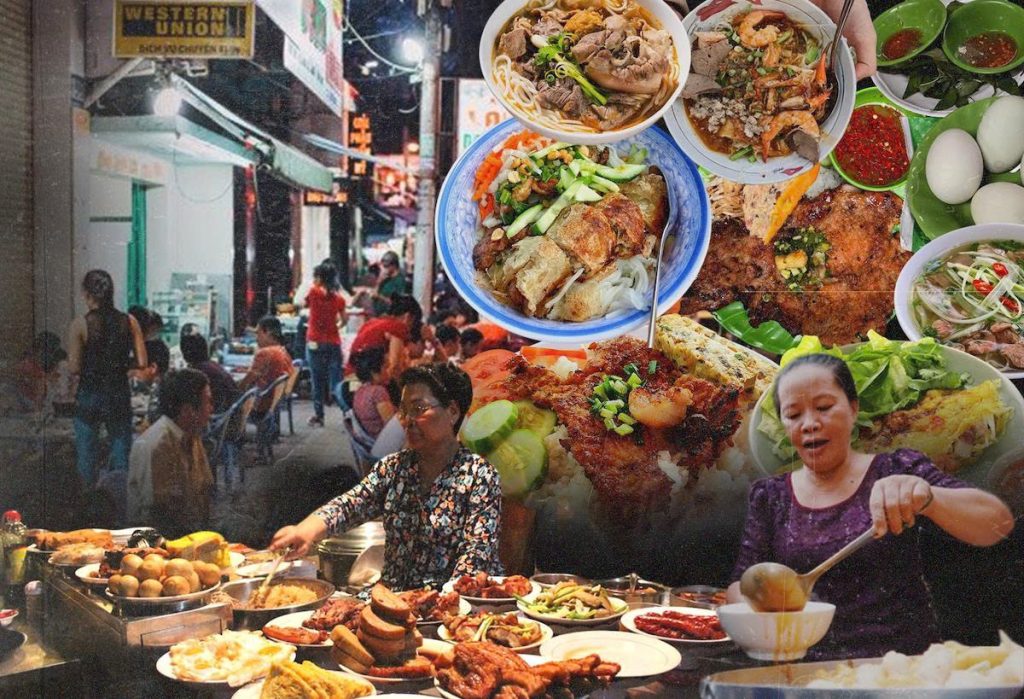
The financial viability of operating food services past midnight rests on two pillars: low overhead competition and high average transaction values. In the daylight hours, food service markets are hyper-saturated. When the clock strikes midnight, however, the playing field thins significantly.
Reducing Marginal Costs
When evaluating the financial health of a late-night food enterprise, business owners must consider the “delta” between late-night revenue and the increased cost of labor. Standard industry wisdom suggests that late-night shifts require a premium wage, often 1.5 to 2 times the standard rate. However, the secret to profitability lies in operational efficiency. By limiting the menu to high-margin, low-prep items—such as artisanal pizzas, gourmet sliders, or curated snack boxes—businesses can reduce the number of staff required to maintain operations.
From a financial modeling perspective, late-night service functions as an extension of existing fixed costs. If your rent, utilities, and core kitchen infrastructure are already paid for by daytime operations, the marginal cost of staying open an additional four to six hours is primarily limited to variable labor and COGS (Cost of Goods Sold). This makes every dollar of revenue after 11:00 PM highly efficient, contributing disproportionately to the bottom line.
Market Saturation and Competitive Advantage
In urban centers, the “late-night hunger” demographic is underserved. While fast-food chains often dominate the 2:00 AM space, there is a significant financial gap for premium or niche food offerings. Investors looking for side hustles or scalable food ventures should conduct a “density analysis.” By identifying residential areas with high concentrations of night-shift workers (such as hospital districts or tech hubs) and cross-referencing this with the operating hours of local competitors, one can identify a blue-ocean opportunity. Profitability here is not just about the product; it is about filling a void where supply is near zero.
Leveraging Digital Platforms for After-Hours Revenue
The modern late-night food market is inextricably linked to the digital ecosystem. Third-party delivery apps and ghost kitchens have transformed the logistics of food service, allowing businesses to capture late-night revenue without the overhead of maintaining a physical dining room.
The Rise of the Ghost Kitchen Model
The most financially sound approach to late-night food service in the current climate is the ghost kitchen. By eliminating the front-of-house expenses—no tables, no chairs, no floor staff—entrepreneurs can pivot their resources entirely toward product quality and delivery logistics.
From a financial strategy standpoint, this allows for rapid scaling. You are no longer selling to the patrons who happen to be walking by your door at 1:00 AM; you are selling to the entire delivery radius of your city. Data analytics from platforms like DoorDash or UberEats can provide granular insights into which neighborhoods are ordering food late at night and what price points they are willing to accept. Using this data to inform your menu pricing allows you to implement dynamic pricing strategies, where menu items increase in cost during peak late-night demand windows.

Digital Marketing for the Nocturnal Consumer
Marketing to a consumer at 2:00 AM is fundamentally different from a midday campaign. The emotional state of the consumer is different; they are often tired, hungry, and seeking convenience over price. Your digital marketing strategy should reflect this. Targeted social media ads during the 10:00 PM to 2:00 AM window often result in higher conversion rates because the consumer’s intent to purchase is immediate. By focusing on mobile-first, high-visual-impact advertisements, you can capture impulse buyers who are browsing their phones while winding down.
Investing in the Midnight Sector: Risks and Mitigation
Entering the late-night food market is not without financial risk. The primary challenge is balancing revenue growth with operational longevity and asset security.
Managing Labor and Insurance Costs
The most significant barrier to entry for businesses is the escalating cost of late-night insurance and staff retention. Theft and safety concerns can drive up insurance premiums, while the difficulty of hiring for nocturnal shifts can lead to high turnover. To mitigate these risks, successful operators integrate automation. Point-of-Sale (POS) systems that integrate with inventory management software can help minimize waste and prevent theft, which is a common drain on late-night profit margins.
Furthermore, performance-based compensation structures can help retain staff. Instead of just paying a premium hourly wage, incentivizing staff based on the volume of deliveries or the speed of order fulfillment creates a culture of productivity that protects the business’s margins during the night shift.
Tax Implications and Revenue Streams
For those looking at this as a side hustle, it is crucial to recognize the tax implications of extended hours. Operating past midnight may result in “split-shift” accounting, where income is recorded across two calendar days. Using robust accounting software to track these shifts is vital for maintaining accurate financial statements.
Investors should also look at secondary revenue streams within this sector. Vending technology, for example, has evolved from low-end snack machines to sophisticated, refrigerated kiosks that can provide high-quality, hot meals 24/7. These automated kiosks represent an incredibly low-maintenance side hustle, requiring only periodic restocking and maintenance, effectively providing passive income at the cost of a small footprint lease.
Scaling Your Late-Night Venture
If your late-night food initiative proves successful, the next step is systematic scaling. Scaling in the food industry is often a trap; growing too quickly can lead to a collapse in service quality and, consequently, your reputation.
Standardizing for Success
To scale a late-night food brand, you must treat your operations like a franchise model, even if you only have one location. Standard Operating Procedures (SOPs) are your most valuable financial asset. When you have a clear, documented process for everything from food preparation to delivery handover, you reduce the reliance on individual employees. This allows for a more flexible hiring pool and consistent product quality, which is the cornerstone of recurring revenue.

Long-Term Value Creation
Ultimately, the goal of a business in the midnight economy should be brand equity. While the initial draw may be the lack of competition, the long-term success comes from becoming the “go-to” brand for late-night consumers. By building a loyal customer base, you reduce your customer acquisition cost (CAC) over time. Returning customers are the engine of a sustainable food business. Whether you are operating a high-end food truck, a ghost kitchen, or an automated vending hub, focusing on the customer experience during the most difficult hours of the day creates a resilient business that can weather shifts in the broader economy.
In conclusion, the question of what food is open late is not merely a search query for a hungry consumer; it is a signal of market demand that remains largely uncaptured. By applying sound business principles—prioritizing low overhead, leveraging delivery platforms, managing labor costs through automation, and scaling with SOPs—entrepreneurs can tap into a lucrative revenue stream that operates while the rest of the world is sleeping. The midnight economy is open for business; the question is whether you are prepared to build the infrastructure to serve it.
aViewFromTheCave is a participant in the Amazon Services LLC Associates Program, an affiliate advertising program designed to provide a means for sites to earn advertising fees by advertising and linking to Amazon.com. Amazon, the Amazon logo, AmazonSupply, and the AmazonSupply logo are trademarks of Amazon.com, Inc. or its affiliates. As an Amazon Associate we earn affiliate commissions from qualifying purchases.