
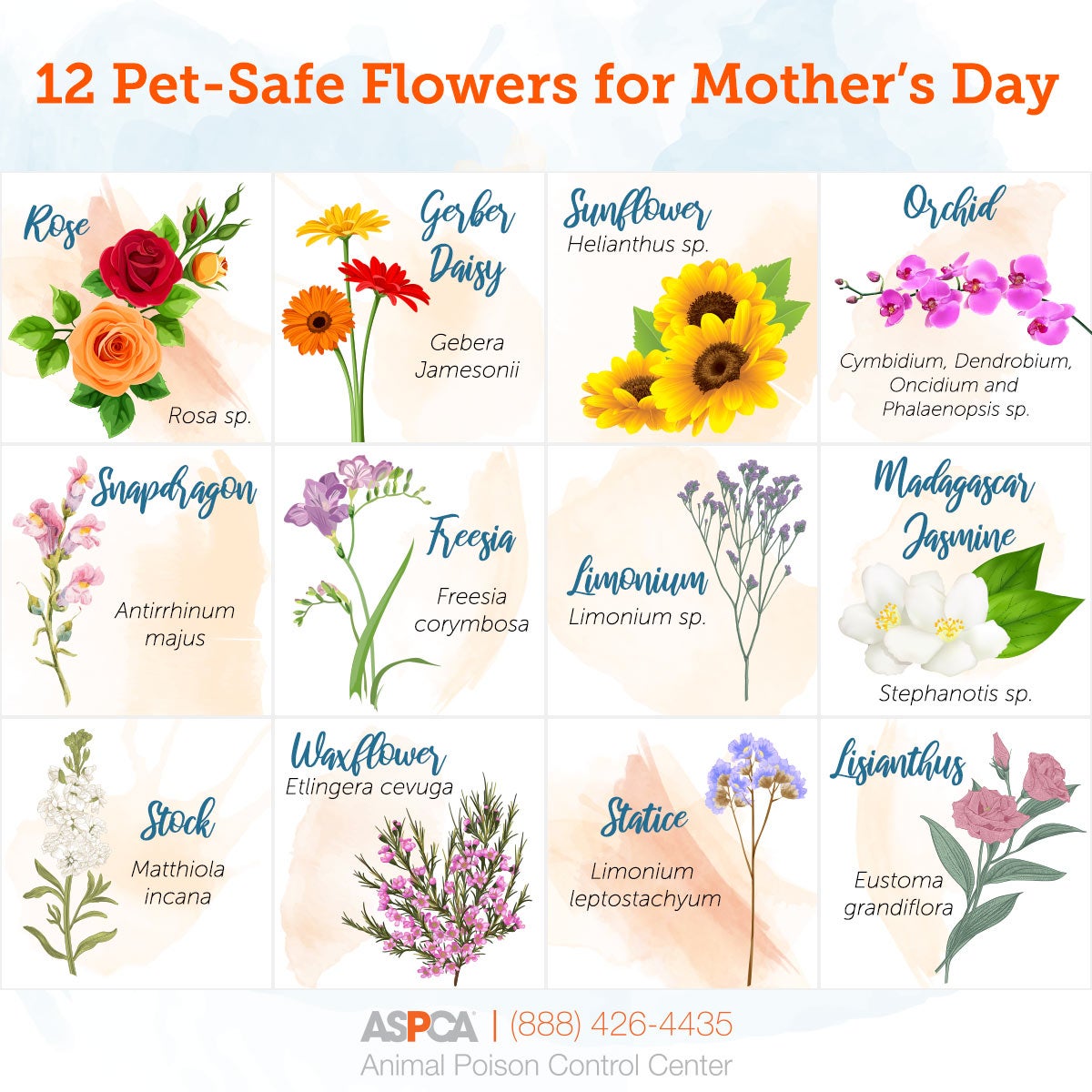
For feline enthusiasts, the intersection of interior design and pet safety is a critical financial and logistical concern. Integrating greenery into a household is often seen as a way to enhance living space aesthetics, which is frequently linked to property value and mental well-being—assets that require protection. However, the cost of emergency veterinary care for pets that have ingested toxic flora can be devastating, frequently reaching thousands of dollars in unexpected expenses. Navigating the botanical landscape is not merely an act of pet care; it is an act of fiscal responsibility and asset management. To protect your investment in both your home and your companion, one must discern which plants provide value without creating a liability.
The Financial Impact of Veterinary Emergencies
The decision to introduce plants into a home must be approached with the same rigor as any high-stakes investment. When a cat ingests a toxic plant, the immediate result is often an emergency visit to the veterinarian. These costs are rarely budgeted for and can disrupt a family’s financial stability. Diagnostic tests, blood work, intravenous fluids, and overnight monitoring add up rapidly. Unlike routine veterinary care, which can be predicted and planned, toxicity events occur without warning.
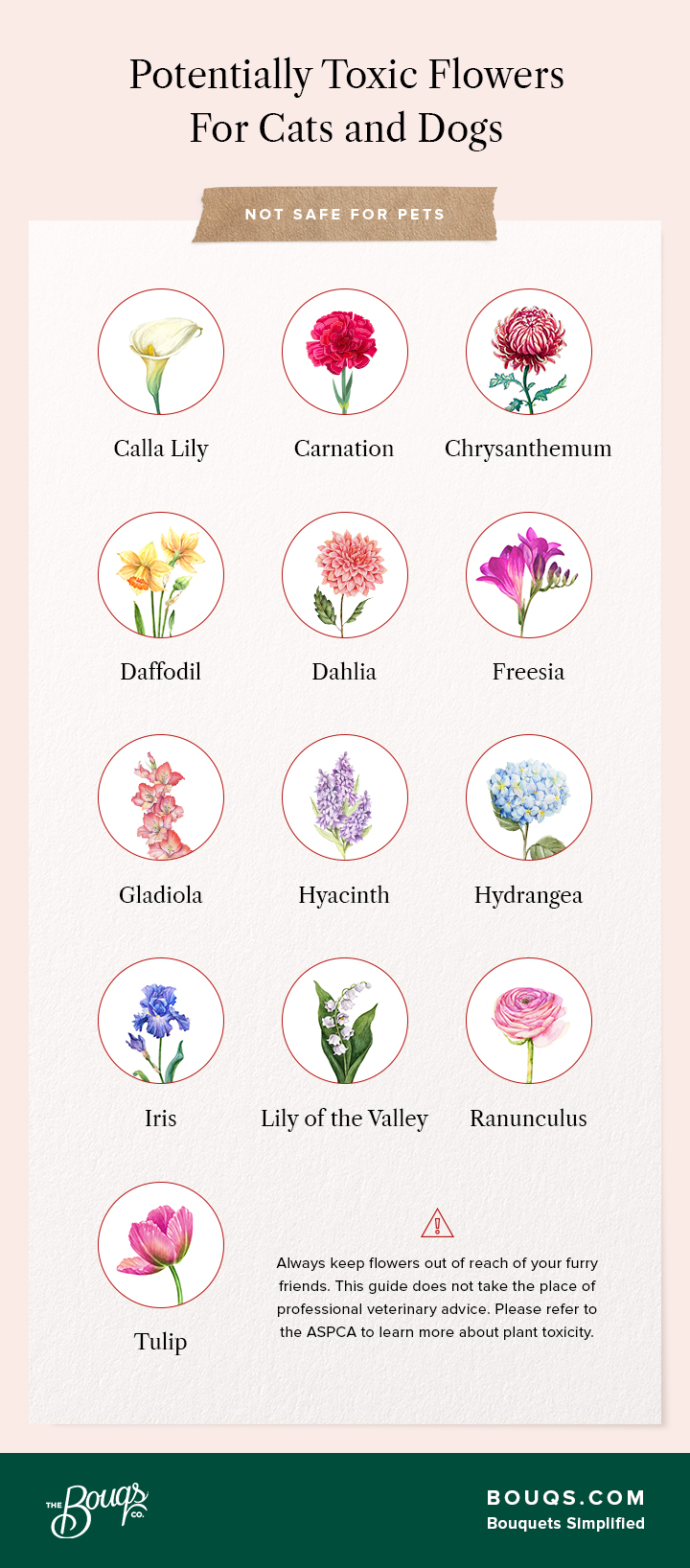
Furthermore, many common household plants, such as members of the Lilium genus, are not merely toxic; they are lethal. A single leaf or even the pollen from a lily can cause acute kidney failure in cats, necessitating intensive care that may exceed the financial limits of a household’s discretionary budget. By curating a home environment that strictly features non-toxic species, owners mitigate the risk of these catastrophic expenses. Investing time in research and selecting safe botanical options is effectively a form of self-insurance against the high volatility of emergency pet medicine.
Curating a Low-Risk Botanical Portfolio
When selecting plants for your home, apply the same scrutiny you would to a financial portfolio. Diversification is important, but only if the assets—in this case, your plants—carry a low risk profile. The goal is to maximize the aesthetic appeal of your home without incurring hidden liabilities.
The Appeal of the Spider Plant (Chlorophytum comosum)
The Spider Plant is a staple in the world of interior aesthetics due to its resilience and ease of propagation. From a financial perspective, this plant is an excellent asset: it is inexpensive to acquire, thrives in various lighting conditions, and produces “pups” that can be potted separately, essentially yielding a return on your initial investment. Most importantly, it is non-toxic to cats. Even if your feline companion finds the trailing foliage irresistible, the risk of a medical bill remains zero.
The Resilience of the Areca Palm (Dypsis lutescens)
If your interior design strategy requires a larger statement piece, the Areca Palm offers a sophisticated look reminiscent of luxury real estate design. It is effective at improving indoor air quality and, unlike the Sago Palm (which is extremely toxic), the Areca Palm is entirely safe for cats. By choosing this plant, you avoid the potential legal and medical liabilities associated with toxic indoor palms, ensuring your home remains a safe sanctuary for both your pets and your assets.
The Botanical Simplicity of the Boston Fern (Nephrolepis exaltata)
Boston Ferns are a classic choice for adding texture to bookshelves and hanging displays. They are high-yield in terms of visual impact and require only moderate maintenance to keep them vibrant. For the budget-conscious homeowner, these ferns are a stable investment that does not require the expensive pest control or veterinary intervention associated with toxic alternatives.
Strategic Placement and Risk Mitigation
Even when you have selected non-toxic flora, the placement of these assets within your home is a secondary layer of protection. A cat’s behavior can be unpredictable, and even non-toxic plants can cause gastrointestinal distress if consumed in large quantities. Therefore, the goal is to manage the environment to prevent destruction and ensure the longevity of the plant itself.
Managing Traffic and Accessibility
Treat your home like a commercial facility: high-traffic areas require specific design considerations. If you have expensive or delicate plants, consider placement on elevated surfaces where cats cannot easily access them. This is not only a matter of plant longevity but also a strategy to prevent accidents. If a cat knocks over a large, heavy plant, the cost of property damage to furniture, carpets, or hardwood floors can be significant. By strategically placing plants in wall-mounted planters or elevated shelves, you secure your physical assets and reduce the likelihood of a disruptive environment.
Monitoring for Behavioral Patterns
Monitoring is an essential part of ongoing management. Observe how your cat interacts with the greenery. Some cats are naturally curious and will attempt to chew on anything within reach. If your pet shows a high propensity for destructive behavior, you may need to pivot your strategy. This might involve using natural deterrents or focusing on hanging varieties that keep the plant out of the cat’s range of motion. Treating the cat’s interaction with your plants as a controllable variable allows you to maintain a high-value aesthetic environment while preventing the potential for injury.
Evaluating Long-Term Value in Pet-Friendly Design
The ultimate goal of choosing “safe” plants is to ensure the long-term sustainability of your home environment. Many homeowners fail to realize that their choice of home decor impacts the total cost of ownership of their living space. A home filled with toxic plants is an environment prone to high-cost volatility. Conversely, a home filled with safe plants represents a stable, curated ecosystem that supports both pet health and human happiness.
The ROI of Pet-Safe Decor
Consider the return on investment when you prioritize non-toxic options. By avoiding even one potential toxicity scare, you save yourself the cost of an emergency veterinary session—an expense that often ranges from $500 to $3,000 depending on the severity of the case. When you multiply this by the potential frequency of household accidents, the financial case for safe plants becomes clear. You are not just buying a plant; you are buying peace of mind and protecting your capital.

Scaling Your Botanical Assets
As you grow your collection, maintain a strict vetting process for every new addition. Consult resources provided by organizations like the ASPCA, which maintain up-to-date databases on toxic and non-toxic plants. When shopping, do not rely on store labeling alone; verify the botanical name before completing your purchase. This due diligence is the equivalent of verifying a contract before signing; it protects your home from future risks and ensures that your botanical assets continue to enhance your lifestyle without compromising the safety and health of your cat.
By treating your botanical choices with the same level of care as your financial or professional decisions, you can create a luxurious, lush, and, above all, safe home environment. This professional approach to pet care and home design demonstrates that you do not have to choose between a beautiful living space and the well-being of your companion. Through careful selection, strategic placement, and ongoing vigilance, you secure both.
aViewFromTheCave is a participant in the Amazon Services LLC Associates Program, an affiliate advertising program designed to provide a means for sites to earn advertising fees by advertising and linking to Amazon.com. Amazon, the Amazon logo, AmazonSupply, and the AmazonSupply logo are trademarks of Amazon.com, Inc. or its affiliates. As an Amazon Associate we earn affiliate commissions from qualifying purchases.