
The Roman Empire, a civilization that once spanned vast territories and exerted unparalleled influence, eventually succumbed to a complex web of challenges. While the notion of a single, definitive cause for its “fall” is a simplification, a confluence of internal weaknesses and external pressures gradually eroded its foundations. From a modern perspective, examining these factors through the lenses of technology, brand, and money offers surprisingly relevant parallels to the dynamics that shape contemporary success and failure.
The Erosion of Roman Strength: A Multi-faceted Decline
The Roman Empire’s decline was not a sudden collapse but a protracted process of weakening. Understanding its downfall requires acknowledging the interconnectedness of various contributing elements, each of which, over time, chipped away at the empire’s resilience.
The Specter of Technological Stagnation and Military Overreach
While Rome was a marvel of ancient engineering, its technological development, particularly in later centuries, stagnated relative to its expanding needs. The empire’s immense infrastructure – aqueducts, roads, public buildings – required constant maintenance and innovation to sustain its vast population and military. However, advancements in areas that could have truly revolutionized production, resource management, or even military efficiency, lagged.
- The Limits of Roman Infrastructure: The very success of Roman infrastructure, while impressive, became a burden. Maintaining thousands of miles of roads, numerous aqueducts, and sprawling cities demanded immense resources and manpower. Without significant technological breakthroughs in construction, material science, or resource extraction, this maintenance became increasingly unsustainable, especially as the empire’s economic base faltered. Imagine the equivalent of a modern nation struggling to maintain its aging power grids and transportation networks without investing in next-generation solutions.
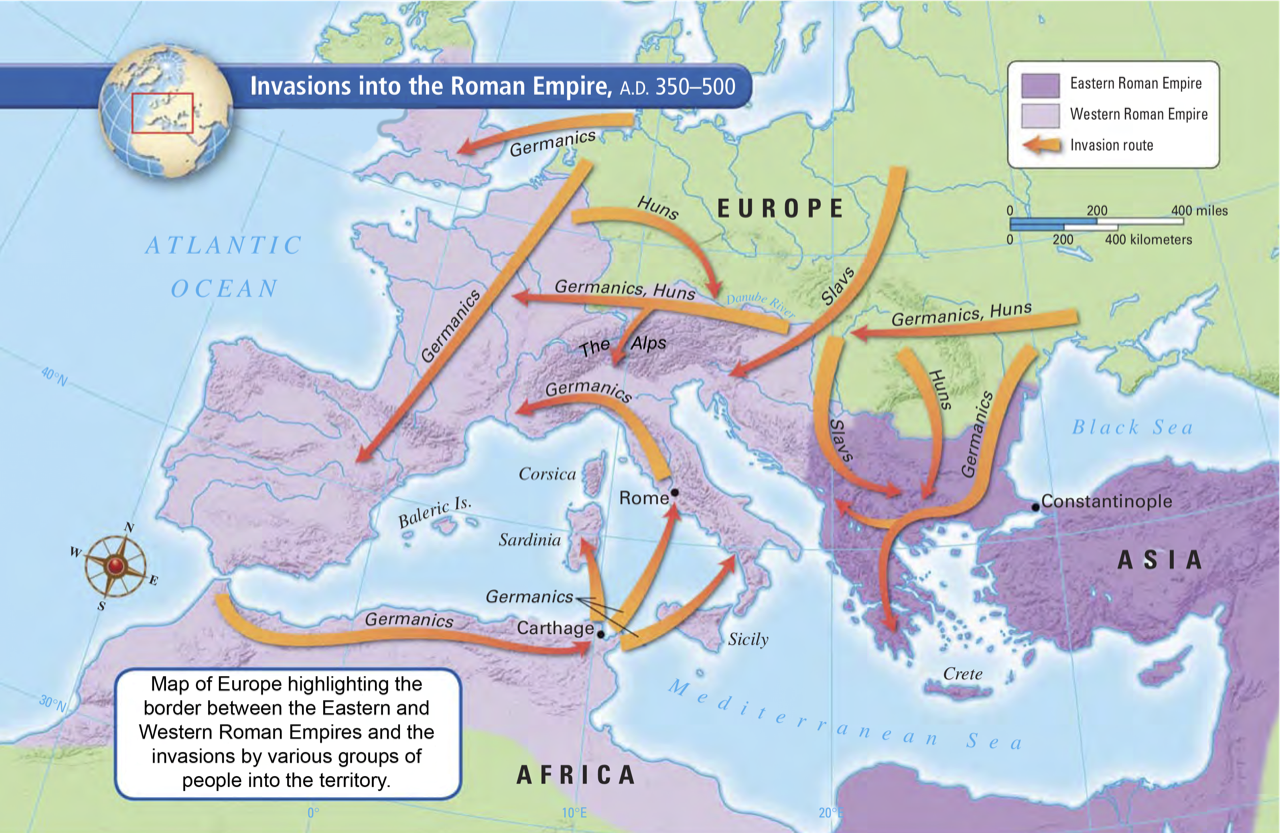
- Military Innovations and Their Price: Rome was a military powerhouse, and its legions were formidable. However, the nature of warfare evolved, and while Rome adapted, it didn’t always innovate at the pace required. The expense of maintaining a large, professional army across vast frontiers was enormous. When coupled with increasingly sophisticated, albeit often less technologically advanced, adversaries who employed different tactics, the military became a significant drain on the imperial treasury. This mirrors today’s discussions about the escalating costs of modern defense and the need for strategic investment in future-proofing military capabilities rather than simply maintaining outdated models. The Romans, like many powerful entities today, found themselves caught in a cycle of expensive defense without necessarily investing in the truly disruptive technologies that could have provided a decisive edge or reduced overall reliance on sheer manpower.
- The “Brain Drain” and Missed Opportunities: While the exact mechanisms are debated, there’s a sense that Rome, particularly in its later stages, may have experienced a decline in the intellectual and scientific innovation that characterized its earlier periods. This “brain drain” or lack of emphasis on pushing the boundaries of knowledge meant missed opportunities for developing technologies that could have alleviated economic pressures or strengthened its defenses. In today’s innovation-driven world, a failure to cultivate and retain top talent in fields like AI, quantum computing, or sustainable energy would be an existential threat to any modern corporation or nation.
The Brand Erosion: From Revered Power to Corruptible Image
The “brand” of the Roman Empire was built on an image of strength, order, justice, and prosperity. For centuries, it was a symbol of civilization, attracting people and territories into its orbit. However, this powerful brand was gradually tarnished, undermining its legitimacy and its ability to command loyalty and extract resources.
- The Decline of Imperial Legitimacy: The Roman Emperor was more than just a ruler; he was a figurehead, a symbol of the empire’s power and divine favor. As emperors became increasingly corrupt, incompetent, or tyrannical, this symbolic authority eroded. A succession of weak or illegitimate rulers, often installed through military coups rather than hereditary succession, weakened the perception of stability and divine right that had been central to Roman governance. This is akin to a company whose leadership is constantly in flux, plagued by scandals, or perceived as out of touch with its customers. The brand’s integrity is compromised, leading to a loss of trust and market share.
- The Corruption Within: Pervasive corruption within the Roman bureaucracy and military siphoned off resources that could have been used for vital infrastructure or defense. Officials enriched themselves, weakening the state’s capacity to function effectively. This damage to the “corporate identity” of Rome made it vulnerable. When public trust erodes due to internal malfeasance, the entire organization suffers. A company riddled with unethical practices will struggle to attract and retain talent, investors, and customers, regardless of its historical prestige.
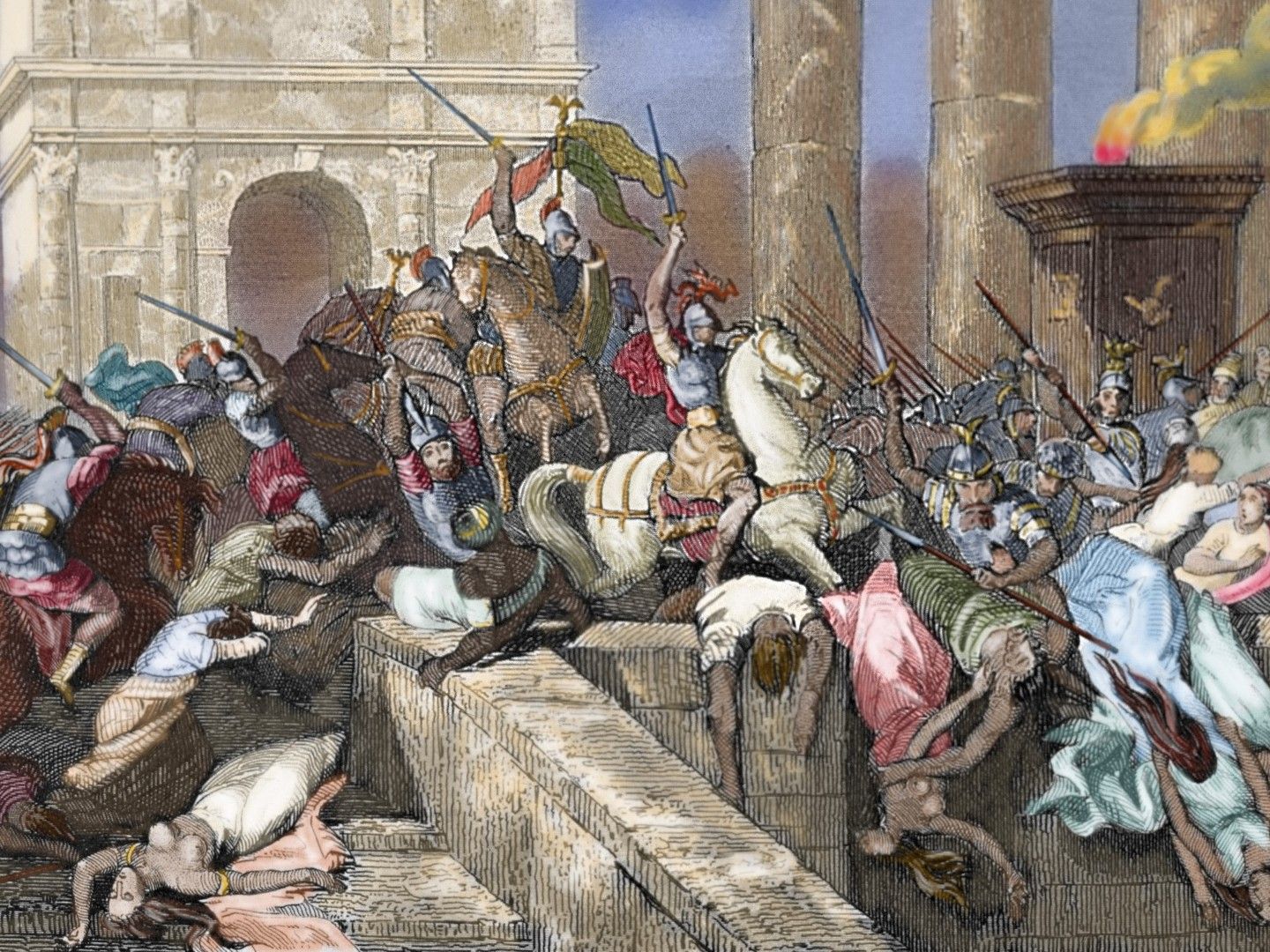
- The Shifting Narrative: Barbarians and the Loss of Cultural Hegemony: Rome’s cultural influence was immense. However, as the empire expanded and encountered diverse populations, the clear distinction between “Roman” and “barbarian” began to blur. In later centuries, the perception of “barbarian” invaders shifted from a distinct “other” to a genuine threat that could overwhelm Roman institutions. This suggests a failure to effectively integrate or assimilate these groups, or perhaps a loss of the cultural confidence that had allowed Rome to absorb and Romanize previous challenges. In branding terms, it’s like a dominant brand losing its unique selling proposition and being overwhelmed by competitors who offer something perceived as more authentic or desirable by a segment of the market. The inability to adapt and maintain a compelling, inclusive narrative led to a fracturing of the empire’s overarching brand identity.
The Financial Ruin: Inflation, Taxation, and Economic Strain
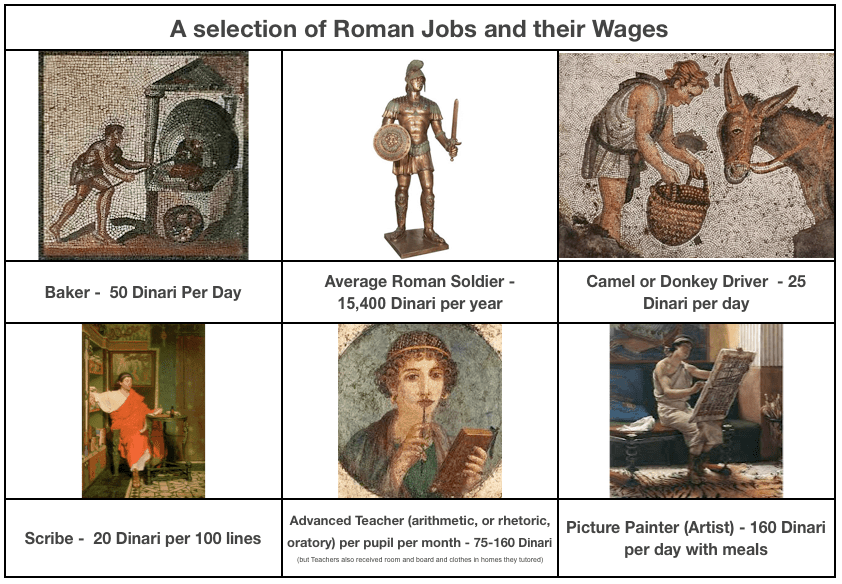
The economic foundations of the Roman Empire were under immense strain for centuries, contributing significantly to its eventual fragmentation. The empire’s reliance on conquest for resources, coupled with unsustainable spending, created a precarious financial situation.
- The Tyranny of Inflation and Debasement of Currency: To finance its vast military and administrative apparatus, Rome resorted to debasing its currency – reducing the precious metal content of its coins. This led to rampant inflation, making goods and services more expensive and destabilizing the economy. Merchants and citizens became reluctant to accept devalued currency, leading to a breakdown in trade and economic activity. This is a classic example of poor fiscal management, a mistake that can cripple modern economies. When a currency loses its value, trust in the financial system collapses, impacting everything from personal savings to international trade.
- Crushing Taxation and Burdened Citizens: The ever-increasing costs of governance and defense led to a relentless cycle of higher taxation on the populace. While taxes are necessary, excessive and inequitable taxation can stifle economic activity, alienate citizens, and lead to widespread discontent. Peasants and small landowners, in particular, bore a heavy burden, sometimes leading to abandonment of land and migration. In contemporary business, over-taxation or an unsustainable fee structure can drive away customers and stifle innovation. Businesses that are overly burdened by external financial demands struggle to invest in growth or R&D, mirroring Rome’s plight.
- The Limits of Resource Extraction and Slave Labor: For centuries, Rome relied heavily on conquest to acquire new territories, resources, and slave labor. However, as expansion slowed and eventually ceased, this primary engine of wealth creation dried up. The reliance on slave labor, while economically efficient in its time, also arguably hindered the development of labor-saving technologies and created a dependent workforce that was vulnerable to disruption. This highlights the danger of relying on unsustainable business models. Companies that depend on exploitative labor practices or finite natural resources without developing more resilient strategies are ultimately destined for decline. The Roman economy, unable to adapt beyond its core extractive model, found itself in a perpetual state of resource scarcity and financial vulnerability.
The Echoes of Rome in Modern Business and Technology
The story of Rome’s fall is not merely a historical curiosity; it serves as a profound cautionary tale with striking relevance to the challenges faced by businesses and technological endeavors today. The principles of maintaining technological edge, cultivating a strong and trusted brand, and ensuring sound financial management are as critical now as they were for the Roman Empire.
Sustaining Technological Leadership in a Rapidly Evolving Landscape
Just as Rome’s technological progress faltered, modern businesses must continually innovate to stay ahead. This isn’t just about incremental improvements but about embracing transformative technologies like AI, quantum computing, and advanced materials. Companies that resist change or fail to invest in future-proofing their offerings risk obsolescence. The “military-industrial complex” of Rome, requiring constant resource allocation, mirrors the significant R&D budgets modern tech giants must maintain. However, unlike Rome, which saw its technological momentum wane, today’s most successful companies are characterized by a relentless pursuit of the next breakthrough, understanding that stagnation is the first step toward decline.
The Imperative of a Resilient and Trusted Brand
The erosion of Roman legitimacy mirrors the vulnerability of brands in the digital age. A company’s reputation, built on transparency, ethical conduct, and delivering on promises, is its most valuable asset. Scandals, data breaches, or a perceived disconnect between a company’s values and its actions can shatter trust overnight. Like the Roman emperors whose authority crumbled due to corruption, modern leaders must prioritize integrity and strong corporate governance. The “branding” of a company, in essence, is its relationship with its stakeholders – customers, employees, investors, and the public. A strong, authentic brand fosters loyalty and resilience, allowing a company to weather economic storms and adapt to changing market conditions.
Navigating the Complexities of Modern Finance and Economic Sustainability
The financial woes of the Roman Empire – inflation, excessive debt, and unsustainable spending – are stark reminders of the importance of sound economic principles. In today’s globalized economy, businesses face pressures from inflation, fluctuating interest rates, and intense competition. A company that overspends, mismanages its finances, or relies on unsustainable revenue streams is on a path to financial ruin, much like Rome. The ability to adapt to changing economic landscapes, manage debt responsibly, and generate sustainable income is paramount. This includes embracing efficient operational models, exploring diverse income streams, and avoiding the seductive but ultimately destructive path of relying on a single, unsustainable resource or growth strategy.
Conclusion: Lessons from the Past for Future Success
The fall of the Roman Empire was a complex, multi-generational event, a testament to the intricate interplay of technological, brand, and monetary factors. By understanding these historical dynamics through a contemporary lens, we gain invaluable insights into the enduring principles that govern success and failure. Whether in the grand sweep of empires or the intricate workings of modern enterprises, the lessons remain strikingly consistent: embrace innovation, cultivate unwavering trust, and manage resources with foresight and integrity. The echoes of Rome serve as a powerful reminder that even the most formidable structures can crumble if their foundations are neglected.
aViewFromTheCave is a participant in the Amazon Services LLC Associates Program, an affiliate advertising program designed to provide a means for sites to earn advertising fees by advertising and linking to Amazon.com. Amazon, the Amazon logo, AmazonSupply, and the AmazonSupply logo are trademarks of Amazon.com, Inc. or its affiliates. As an Amazon Associate we earn affiliate commissions from qualifying purchases.