
In the vast landscape of corporate identity, few metaphors are as enduring or as potent as the tree. While seemingly simple, the tree is a structural masterclass in brand architecture. When a company chooses to align its identity with arboreal imagery—whether through a minimalist logo, a sustainability-focused mission statement, or a narrative of growth—it is tapping into archetypal associations that resonate deeply with consumers. Understanding the symbolic weight of the tree is essential for any brand strategist looking to build a legacy that transcends fleeting market trends.
The Foundation of Identity: Roots as Core Values
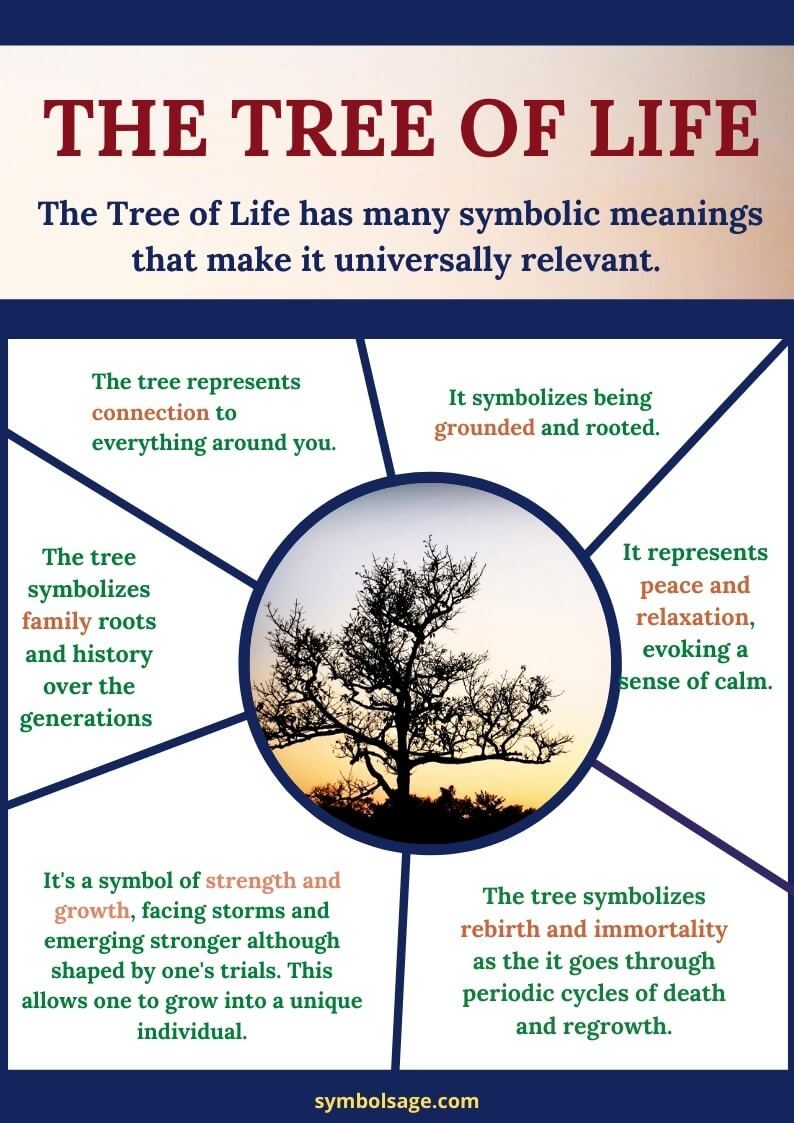
Every tree begins beneath the surface. In brand strategy, the roots represent the intangible assets that anchor a company to its purpose. This is the “Why” of the brand, the historical context, and the foundational set of values that remain invisible to the customer but provide the structural integrity required to weather storms.
The Anchor of Authenticity
Consumers today possess an intuitive radar for inauthenticity. A brand that claims to be “green” or “sustainable” without deep-reaching roots in ethical manufacturing is quickly identified as “greenwashing.” The symbolism of the root system dictates that a brand’s legitimacy is derived from what it stands for when no one is looking. If the roots are shallow, the brand topples at the first sign of public scrutiny. Strong, deep roots represent decades of R&D, a commitment to a specific craftsmanship, or an unwavering adherence to a founding philosophy.
Continuity and Heritage
The deeper the roots, the older the tree. For legacy brands, the root system is a symbolic representation of longevity. It communicates that the brand is not a trend-chasing startup, but an organization with institutional memory. By highlighting the “roots” of a company—its humble beginnings or its enduring commitment to its craft—a brand builds the kind of trust that only time can facilitate. This creates a psychological sense of safety for the consumer: the knowledge that the brand will be there tomorrow because it has survived, and grown, through multiple cycles of market volatility.
Canopy and Reach: Brand Visibility and Market Penetration
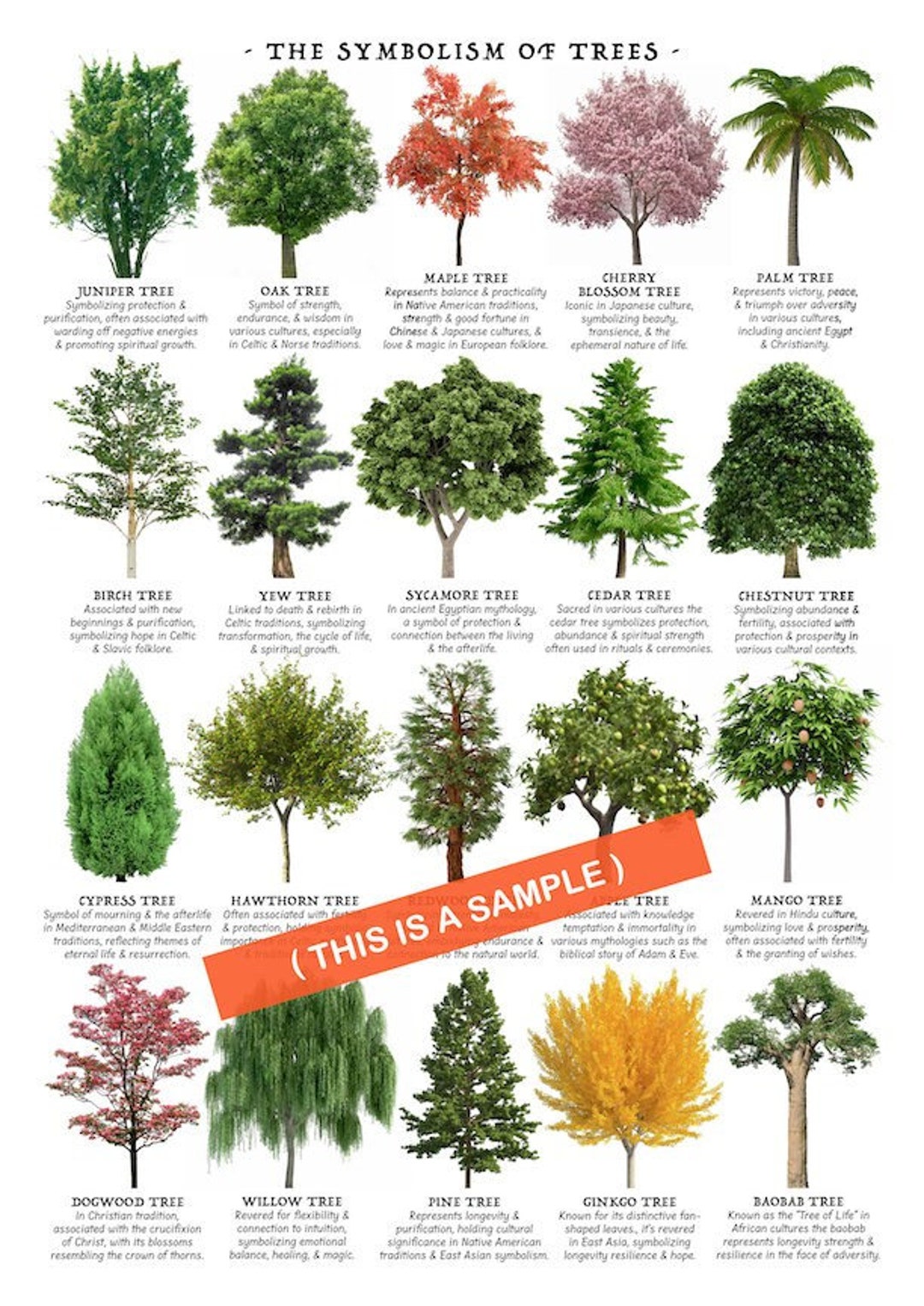
If the roots are the internal “Why,” the canopy represents the external “How.” This is the visible, outward-facing aspect of the brand—its marketing campaigns, its physical presence in retail spaces, and its digital footprint. A tree’s canopy is its most recognizable feature, and in brand strategy, it defines how the company interacts with its environment and its audience.
Shelter and Community
A healthy tree provides shelter. Brands that successfully utilize this aspect of the symbolism position themselves as protectors or providers. Think of major financial institutions or health insurance providers that utilize organic or canopy-inspired imagery; they are subconsciously signaling to the consumer that they provide safety, stability, and a place of refuge from the unpredictable elements of the modern economy. The canopy is an invitation to gather under the brand’s umbrella, fostering a sense of community among its user base.
The Power of Expansion
The canopy is also a symbol of reach. A tree grows toward the light, constantly expanding its leaves to capture more energy. In a business context, this mirrors market penetration and brand diversification. A brand that successfully scales does so by mimicking the organic spread of a canopy, ensuring that its reach is both wide and sustainable. However, the lesson of the tree is that expansion must be balanced by the root system. Brands that expand too quickly, without the requisite infrastructure (roots), eventually face the danger of becoming top-heavy and collapsing under their own weight. This is a critical lesson for startups aiming for rapid scale: your growth must be supported by your foundations.
Cycles of Growth: Seasonality and Brand Evolution
A tree is never static; it is a living entity that undergoes constant transformation. The seasonality of the tree—the shedding of leaves in autumn and the renewal of spring—offers a profound metaphor for the lifecycle of a brand strategy.
The Art of Pivoting
Static brands die. The tree teaches us that survival requires adaptation. During periods of economic downturn or shifting consumer sentiment, a brand may need to undergo a “winter.” This is the period of quiet reflection, the shedding of outdated products, and the pruning of underperforming business units. Brands that are afraid to prune often find themselves stagnant, burdened by the dead wood of legacy projects that no longer serve their core mission.
Renewal and Rebirth
Spring represents the launch of new initiatives, refreshed brand identities, and entry into new markets. The tree does not view the shedding of leaves as a failure; it views it as a necessary prerequisite for future growth. Strategic brands use this cyclical logic to frame their own evolution. When a company undergoes a rebrand or pivots its focus, it is not an admission of previous error, but a natural progression of its lifecycle. This narrative shifts the customer’s perspective: they no longer see a company in flux as a company in crisis, but as one that is actively renewing its commitment to relevance.
The Synergy of the Ecosystem: Brands as Interconnected Entities
The final, and perhaps most sophisticated, level of tree symbolism is the forest. No tree exists in a vacuum. It shares nutrients, signals danger, and supports the growth of neighboring trees through mycorrhizal networks. In the modern brand ecosystem, this represents the shift from competitive isolationism to collaborative platforms.
Strategic Partnerships
Modern brands are increasingly moving away from the “silo” mentality. Instead, they are positioning themselves as vital components of a larger ecosystem. Much like a forest, where the health of one tree contributes to the health of the entire cluster, contemporary brands thrive by integrating with complementary services. Whether through API integrations, cross-promotional partnerships, or community-led development, the brand that recognizes itself as part of a “forest” is the brand that achieves true sustainability.
Environmental Stewardship as a Brand Pillar
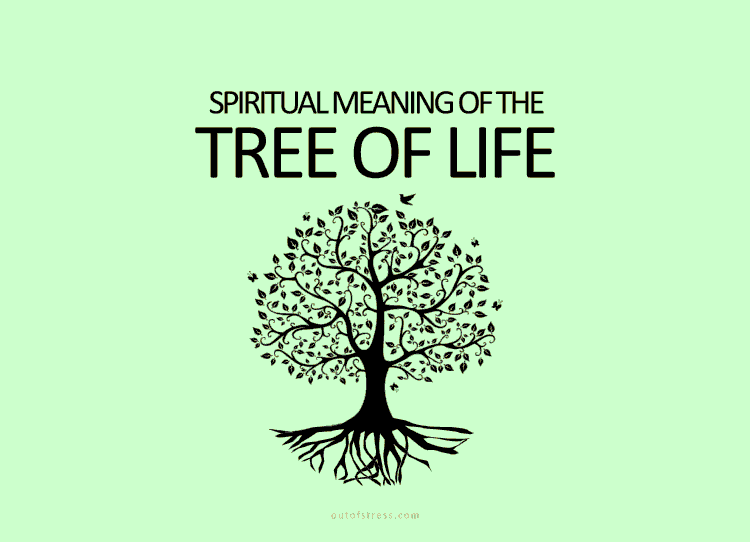
Finally, the tree is the ultimate symbol of balance. As global focus shifts toward climate consciousness, brands that incorporate arboreal symbolism are held to higher standards. The tree is not just a metaphor for growth; it is a metaphor for responsibility. A brand that uses the tree as its visual shorthand is effectively entering into a social contract with the consumer: a promise to grow, but to do so without depleting the resources upon which it relies. This is the highest form of brand equity—the alignment of growth with the collective good.
In summary, the tree serves as a comprehensive roadmap for brand strategy. It dictates that for a brand to be successful, it must have deep, authentic roots; a canopy that provides value and shelter; the wisdom to evolve through seasonal cycles; and the humility to function as part of a larger, interconnected ecosystem. By viewing brand development through this lens, strategists can cultivate identities that are not only profitable but permanent.
aViewFromTheCave is a participant in the Amazon Services LLC Associates Program, an affiliate advertising program designed to provide a means for sites to earn advertising fees by advertising and linking to Amazon.com. Amazon, the Amazon logo, AmazonSupply, and the AmazonSupply logo are trademarks of Amazon.com, Inc. or its affiliates. As an Amazon Associate we earn affiliate commissions from qualifying purchases.