
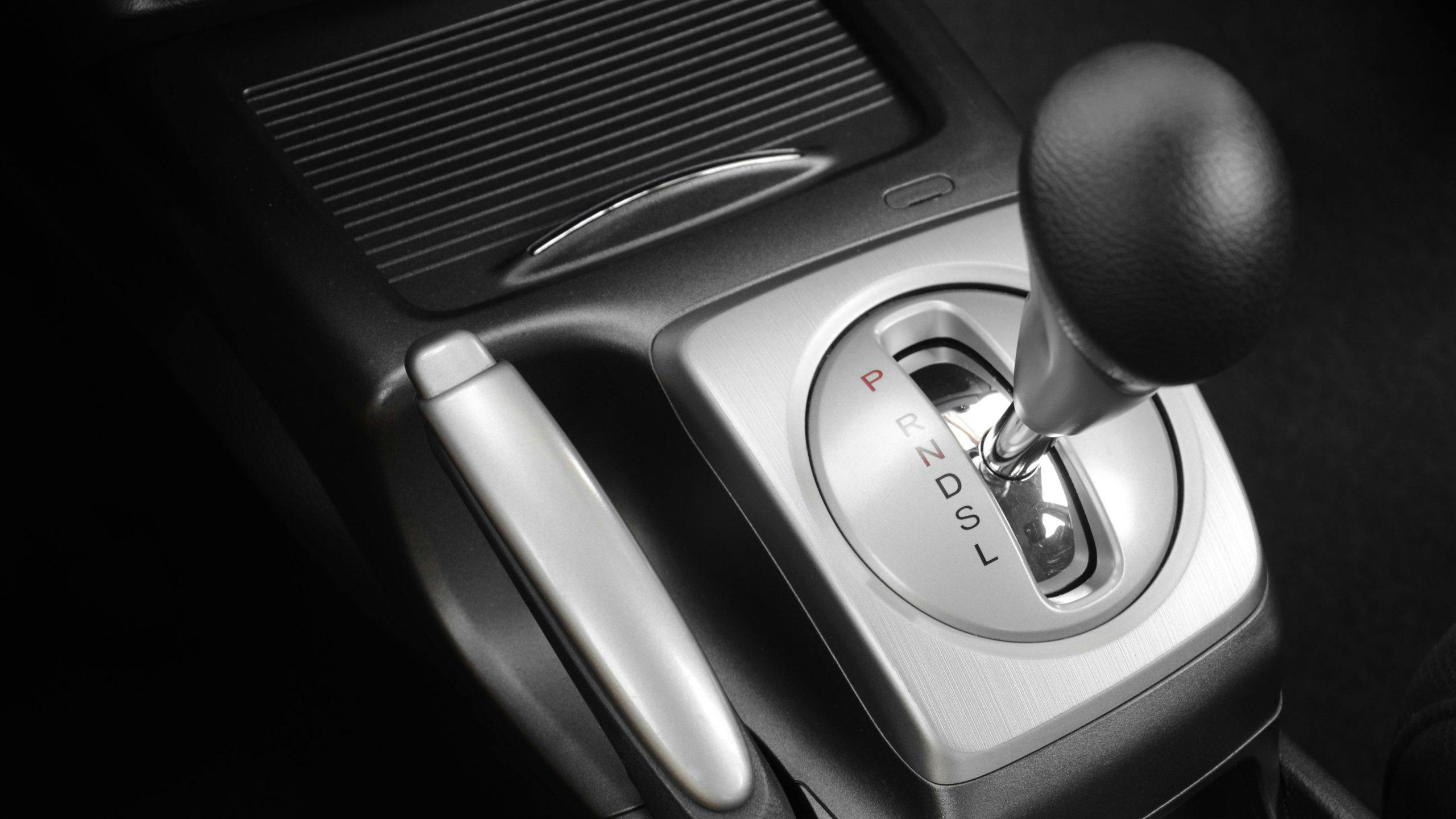
When we look at the dashboard of a modern vehicle, the gear shifter sequence—famously abbreviated as PRNDL—is one of the most recognized user interfaces in the history of consumer technology. While most drivers intuitively understand that “P” stands for Park, “R” for Reverse, “N” for Neutral, and “D” for Drive, the final letter often sparks minor curiosity. The “L” in PRNDL stands for “Low Gear.”
In the landscape of automotive technology, this component is far more than a simple indicator; it is a critical piece of mechanical software that bridges the gap between raw engine power and real-world environmental challenges. As vehicle design shifts from purely mechanical linkages to sophisticated electronic “shift-by-wire” systems, understanding the function of Low Gear is essential for any driver navigating the complexities of modern engineering.
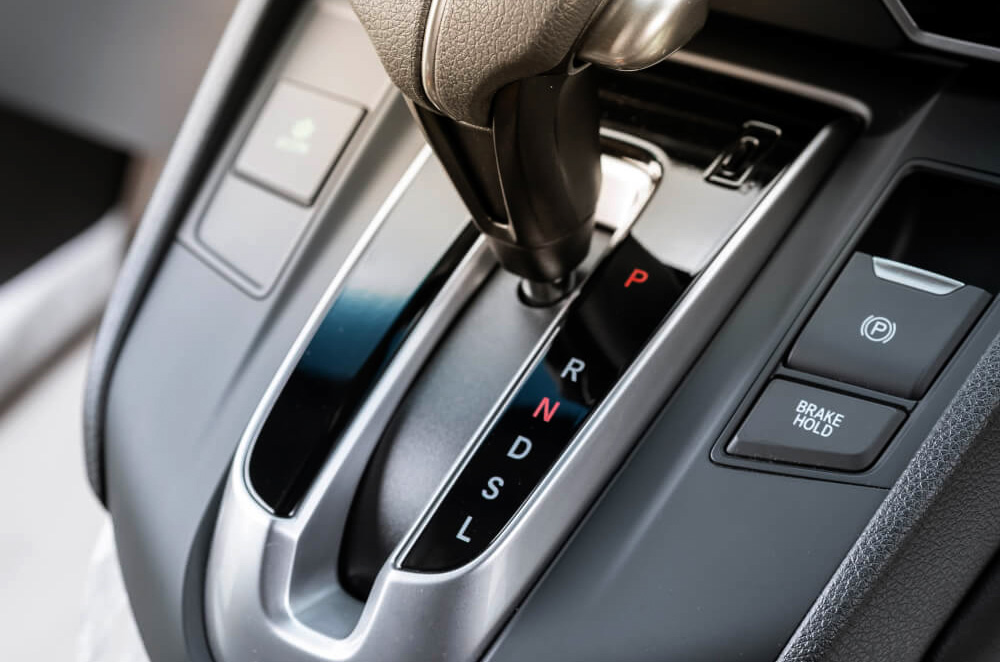
The Mechanical Logic of Low Gear
At its core, the Low gear setting is a constraint mechanism. When a driver shifts the transmission into “L,” they are essentially telling the vehicle’s powertrain control module (PCM) to restrict the transmission from shifting into higher gears. By keeping the vehicle in a lower gear ratio—usually first or second—the engine is forced to operate at higher revolutions per minute (RPMs) relative to the speed of the wheels.
Torque vs. Velocity
The fundamental trade-off in automotive engineering is between torque and velocity. Higher gears are designed for efficiency and speed; they allow the engine to spin slowly while the wheels spin quickly, which is ideal for highway cruising. Conversely, Low gear prioritizes torque. By keeping the transmission in a lower gear, the engine maintains a higher power output at the wheels, providing the necessary force to move heavy loads, climb steep inclines, or navigate loose terrain.
Engine Braking and Deceleration
Beyond climbing, the L position is frequently utilized for engine braking. When a vehicle descends a long, steep grade, continuous use of traditional friction brakes can lead to “brake fade,” a condition where the heat generated by the brake pads reduces their stopping power. By shifting into L, the driver uses the internal resistance of the engine to slow the vehicle down. This process transfers the kinetic energy into the engine’s rotational inertia rather than relying solely on the brake calipers, significantly enhancing safety on mountainous descents.
The Evolution of Transmission Interfaces
The PRNDL sequence is a hallmark of the 20th-century automotive UX design. Standardized in the mid-1960s by the U.S. National Highway Traffic Safety Administration (NHTSA) to prevent accidents caused by varying shifter layouts, this configuration remains the gold standard for usability. However, as software-driven automotive design evolves, the “L” is undergoing a technological transformation.
From Physical Linkages to Electronic Control
In legacy vehicles, moving the shifter to L physically engaged a different hydraulic path within the transmission valve body. Today, that connection is increasingly digital. Many modern vehicles use “shift-by-wire” technology, where the shifter sends a signal to a central computer. The computer then evaluates engine speed, throttle position, and vehicle load before deciding which gear ratio is safest and most efficient. In these systems, “L” is no longer a fixed mechanical position but a software-defined mode that changes the transmission’s shift map.
Adaptive Gear Logic
Modern vehicles equipped with advanced driver-assistance systems (ADAS) often integrate the “Low” function into their predictive software. Instead of relying solely on the driver to select L, the vehicle’s onboard sensors detect steep grades or heavy towing loads and automatically adjust the transmission shift logic. While the physical “L” remains a user-selectable option for those who prefer manual control, the intelligence behind the gear selection has become an automated digital process.
Strategic Use Cases for Modern Drivers
Understanding when to engage Low gear is a skill that separates an average driver from one who fully leverages their vehicle’s engineering capabilities. While most drivers leave their vehicle in “Drive” for the duration of their commute, certain scenarios demand the application of the L setting.
Navigating Steep Inclines and Heavy Loads
When towing a trailer or driving with a full vehicle capacity up a mountain pass, the vehicle’s automatic transmission may “hunt” for the right gear, rapidly shifting up and down. This constant searching generates excessive heat and puts unnecessary strain on the transmission fluid and bands. Selecting “L” locks the transmission into a gear that provides the necessary torque to maintain speed without the transmission constant shifting, thereby protecting the powertrain’s long-term health.
Managing Traction in Low-Grip Environments
In scenarios involving ice, snow, or thick mud, the L setting can be a lifesaver. By keeping the transmission in a low gear, the engine delivers power more consistently, reducing the likelihood of sudden torque spikes that can cause wheels to spin uncontrollably. This provides the driver with finer control over the vehicle’s acceleration, allowing for a steady, deliberate movement that is crucial when traction is limited.
Optimizing Fuel Efficiency Through Driving Habits
While using Low gear generally increases RPMs and therefore consumes more fuel in the short term, it can ironically be more efficient in specific technical driving scenarios. By preventing the transmission from downshifting abruptly during a climb, the driver maintains a more consistent power delivery. Drivers who understand how their transmission software reacts to throttle inputs can use the “L” setting to minimize the energy lost through excessive gear changes, thereby extending the life of the transmission components and improving overall vehicle performance.
Future Trends in Transmission Technology
As the automotive industry pivots toward electric vehicles (EVs), the traditional PRNDL interface is undergoing a radical reassessment. Because electric motors provide maximum torque from a standstill and do not require multi-gear transmissions in the traditional sense, the necessity of a physical “Low” gear is rapidly disappearing.
Single-Speed Transmissions
Most EVs utilize single-speed transmissions. In these vehicles, the concept of a gear ratio is fixed. There is no need for a “Low” gear to multiply torque because the electric motor is already capable of producing high torque across a wide range of speeds. Instead of an L, many EV manufacturers are replacing the gear selection with “Regenerative Braking” modes. These modes simulate the effects of engine braking, allowing the driver to control the vehicle’s speed using only the accelerator pedal.

The Legacy of UX Design
Despite these technological shifts, the PRNDL standard persists because of cognitive load and human factors engineering. Drivers are conditioned by decades of muscle memory to seek out a specific sequence of letters to control their vehicle. Even as the underlying technology shifts from combustion-driven hydraulic transmissions to high-efficiency software-controlled electric motors, the industry remains hesitant to abandon the PRNDL paradigm. The “L,” while conceptually changing from a gear-selection tool to a regenerative-braking intensity selector, remains a vital interface element.
Ultimately, the L in PRNDL serves as a reminder of the mechanical foundation of modern transportation. Whether it is physically restricting the transmission to conquer a mountain pass or digitally modulating energy recovery in a cutting-edge electric vehicle, it represents the driver’s ability to command the vehicle’s power. As automotive technology continues to advance, the methods through which we exert this control may become more sophisticated, but the core requirement—the need to manage power and torque safely—remains constant.
aViewFromTheCave is a participant in the Amazon Services LLC Associates Program, an affiliate advertising program designed to provide a means for sites to earn advertising fees by advertising and linking to Amazon.com. Amazon, the Amazon logo, AmazonSupply, and the AmazonSupply logo are trademarks of Amazon.com, Inc. or its affiliates. As an Amazon Associate we earn affiliate commissions from qualifying purchases.